AKIL O’CONNOR · ESPORTS JOURNEY
A journey built in Trinidad. Shared with the world.
PlayerTeam CaptainCommunity BuilderEducatorGlobal Ambassador
PROFESSIONAL OVERVIEW
Experience built across competition, community and education.
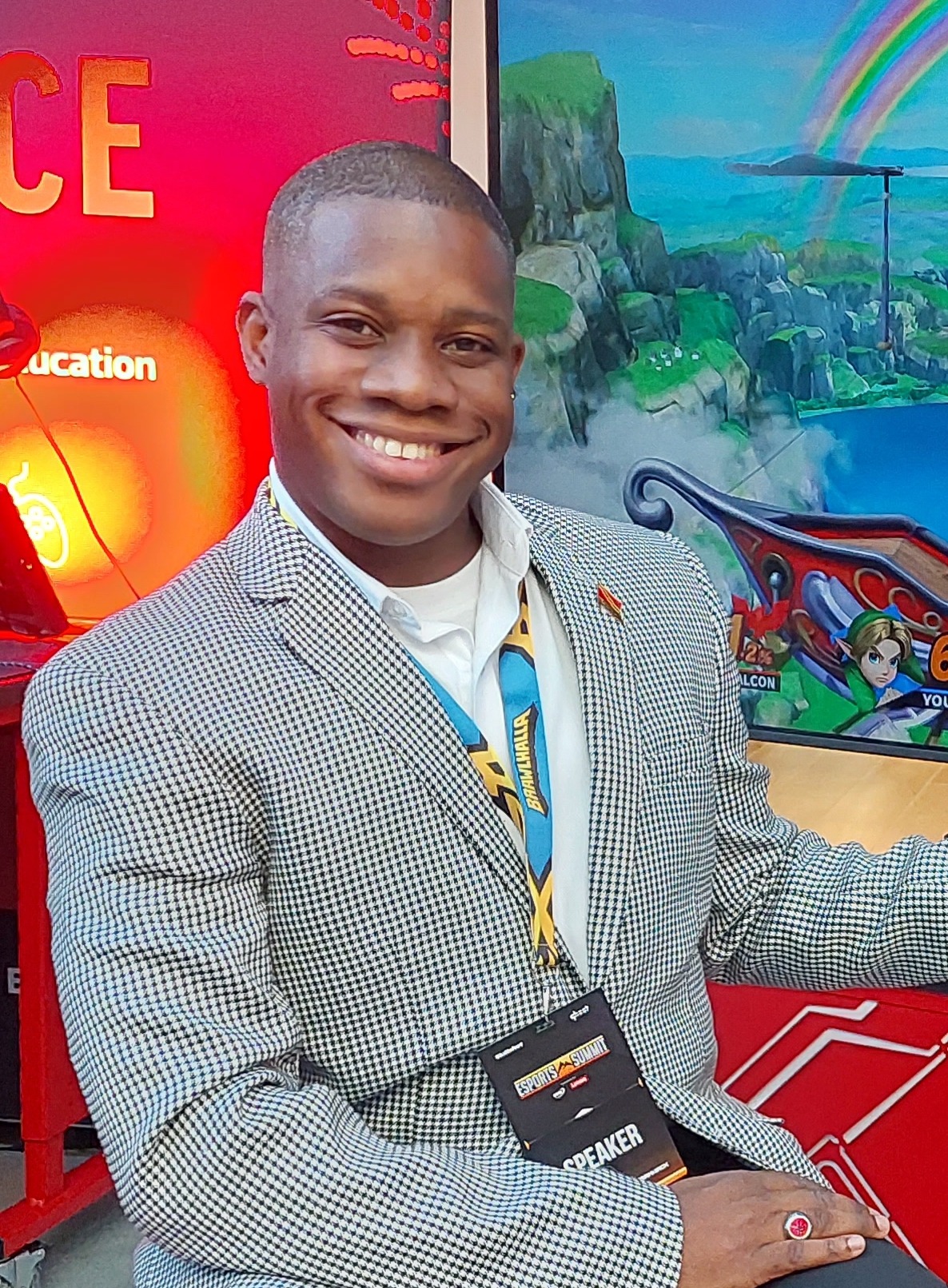
Akil O’Connor is a Trinidad and Tobago educator, scholastic esports ambassador and Executive Director of the Scholastic Esports Research Center. His experience spans competitive gaming, team leadership, event operations, digital media, brand development, teaching, programme design and international esports.
His work is grounded in the belief that esports becomes most valuable when it creates access—to learning, belonging, digital skills, careers and global opportunity. He brings a Caribbean perspective to international conversations while developing practical pathways for students and educators at home.
CURRENT PRACTICE
THE COMPLETE JOURNEY
Every stage built the experience that shapes the work today.
01COMPETITIVE
FOUNDATIONS
FOUNDATIONS
2002–2010
The player.
The team captain.
PlayerTeam Captain
Where competition became leadership.
Before Akil became an educator, programme developer and international scholastic esports ambassador, he was a competitor. Street Fighter II Turbo sparked the interest, but discovering Trinidad and Tobago’s organised gaming community transformed that interest into identity, leadership and purpose.
Enter the chapter ↓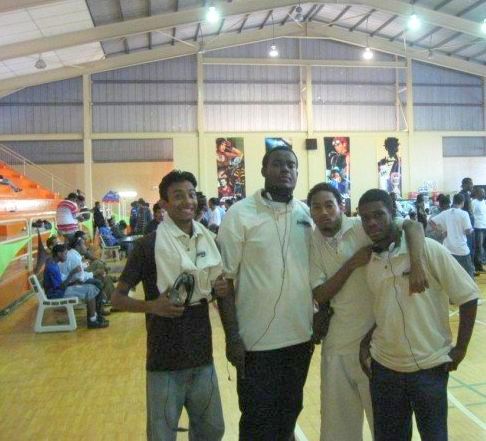
PLAYER IDENTITY
ninja644
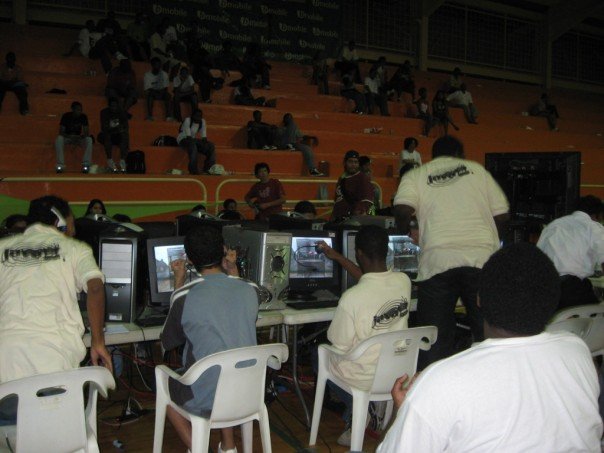
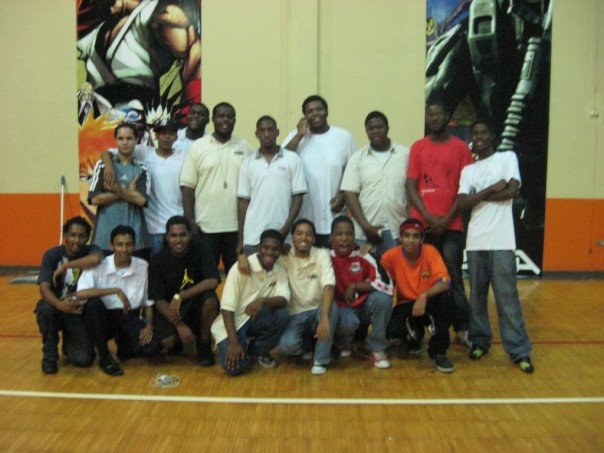
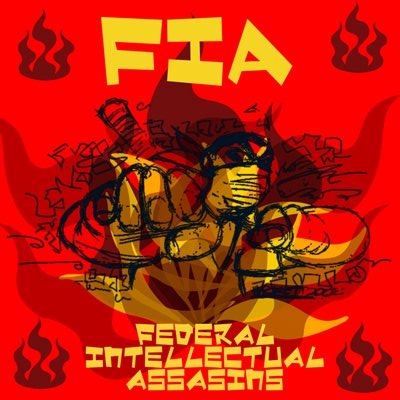
Akil formed Federal Intellectual Assassins with friends from Queen’s Royal College in 2002. As Team Captain, he organised and competed across fighting games, strategy, sports titles and first-person shooters.
ARENA 2 CHAMPIONS16-team double elimination · JAVA-sponsoredPerfect national match record across Call of Duty, United Offensive and Call of Duty 2.
WHERE IT STARTED
From Street Fighter II Turbo to Trinidad’s competitive scene.
Street Fighter II Turbo was the first game that made Akil interested in competitive gaming. The turning point came when he discovered the Gamers Association of Trinidad and Tobago—GATT—and realised that there were other people across the country who played with the same intensity and commitment.
He competed primarily in Street Fighter titles, but his range expanded into Unreal Tournament, Soldier of Fortune 2, Call of Duty, Call of Duty: United Offensive, StarCraft and Warcraft III. Internet cafés such as DEST, Euro+, Sip & Surf and JAVA became important gathering spaces, alongside arcades in Port of Spain, San Juan and local malls.
THE NAME
Why “ninja644”?
Growing up, Akil loved ninja movies and the culture surrounding them. When the Nintendo 64 arrived, he wanted to use ninja64 as his online identity—but the name was already taken. He settled on ninja644, the player name that followed him into Trinidad and Tobago’s developing competitive gaming community.
F.I.A. was formed in 2002 with secondary-school friends from Queen’s Royal College. The clan competed across fighting games, sports games, strategy games and other first-person shooters, although Call of Duty became its strongest and most recognised title.
THE BREAKTHROUGH
Sixteen teams. Double elimination. One undefeated champion.
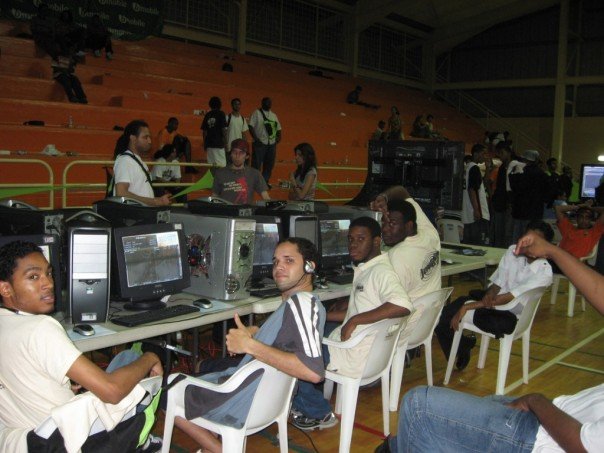
Arena at Hasely Crawford Stadium was Akil’s first tournament experience, arriving when organised gaming competitions were only beginning to be understood by Trinidad’s wider community. At Arena 2 in 2007, the JAVA Internet Gaming Cafe-sponsored F.I.A. squad won the 16-team Call of Duty: United Offensive tournament. For Akil, the victory proved that a team formed among school friends could prepare seriously, lead confidently and succeed on a national stage.
That championship was part of a wider undefeated period. Across multiple national challenges, the team never lost a game in Call of Duty, Call of Duty: United Offensive or Call of Duty 2.
F.I.A. MEMBERS
The people behind the record.
Team Captain: Akil O’Connor
Vivekanada Maharaj · Jadeite Jackson · Akeem Prout · Carlos Hospedales
Other members of F.I.A. include: Devon Dickson · Peter Christopher · Marc Phillip
By 2010, F.I.A. had unofficially disbanded—but the leadership skills developed through the team became the foundation of Akil’s next chapter.
02COMMUNITY &
ORGANISATIONAL
LEADERSHIP
ORGANISATIONAL
LEADERSHIP
2009–2015
The community builder.
The digital strategist.
Event StaffWebsite ManagementJunior Director
Learning how a national community operates.
Akil entered Trinigamers as a volunteer willing to help wherever needed. That decision opened a new view of esports—from the systems behind an event to the publishing, finances, brand and relationships required to give a community a lasting national presence.
Enter the chapter ↓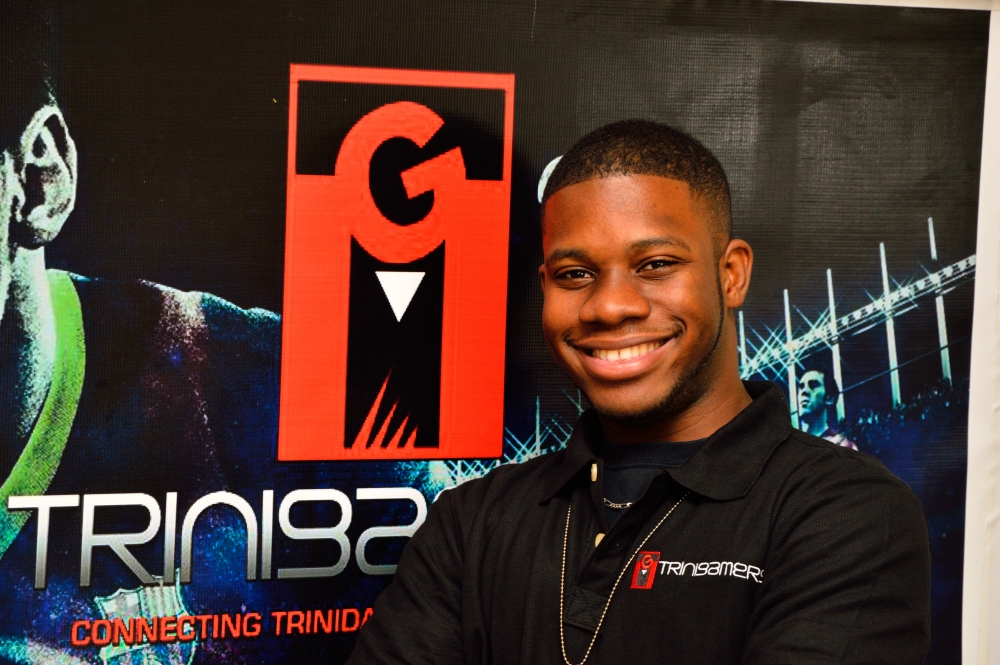
PRIMARY TRANSFORMATION
From volunteer to Junior Director.
- Volunteer & Event Staff · 2009–2013Learning the organisation by supporting its community events.
- Website Management · 2011–2015Building its publishing platform, daily content and recurring features.
- Junior Director · 2013–2015Helping shape finance, sponsorship, brand and organisational direction.
SIGNATURE ACHIEVEMENT
TOP 100
Trinidad & Tobago website ranking maintained for more than six months
Historical Alexa.com measureSUPPORTING RESPONSIBILITIES
RegistrationCommentaryEvent logisticsFinancePromotionPlayer support
VOLUNTEERING BECAME LEADERSHIP
Learning every part of the organisation.
Akil first volunteered to support Trinigamers community events wherever help was needed. Each responsibility revealed another part of how a national gaming organisation operated—from tournaments and technical delivery to finance, promotion and community relationships.
Tournaments strengthened his understanding of competitive operations. Christmas family events showed how gaming could connect generations. Working on the website revealed how consistent publishing could give a community a national voice.
“I had already experienced what a gaming community could give a young player. Trinigamers gave me the opportunity to help build that experience for others.”
DIGITAL IMPACT
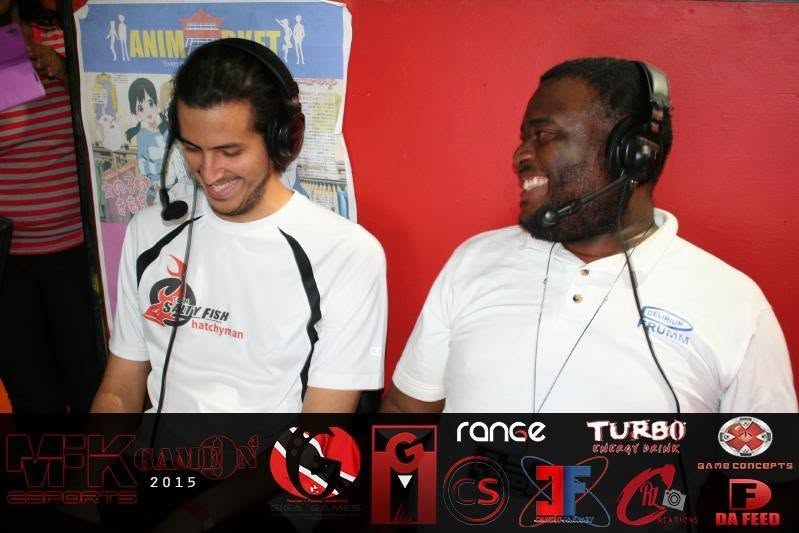
Building one of Trinidad and Tobago’s most visited websites.
As part of website management, Akil served as an editor, produced daily articles and developed recurring Guild Wars 2 weeklies. According to the historical Alexa.com ranking tracked at the time, Trinigamers remained among the 100 most visited websites in Trinidad and Tobago for more than six months.
A Google Analytics content report recorded 8,306 pageviews and 5,627 unique pageviews between 21 January and 20 February 2013—evidence of the platform’s active national audience. For Akil, that reach demonstrated that consistent local publishing could give Trinidad and Tobago’s gaming community a credible national voice.
The period was shaped alongside Aleem Mohammed, Riyadh Bakshi, Lester Nidhan, Larry Holder, Jason Renwick and Moriba Howell.
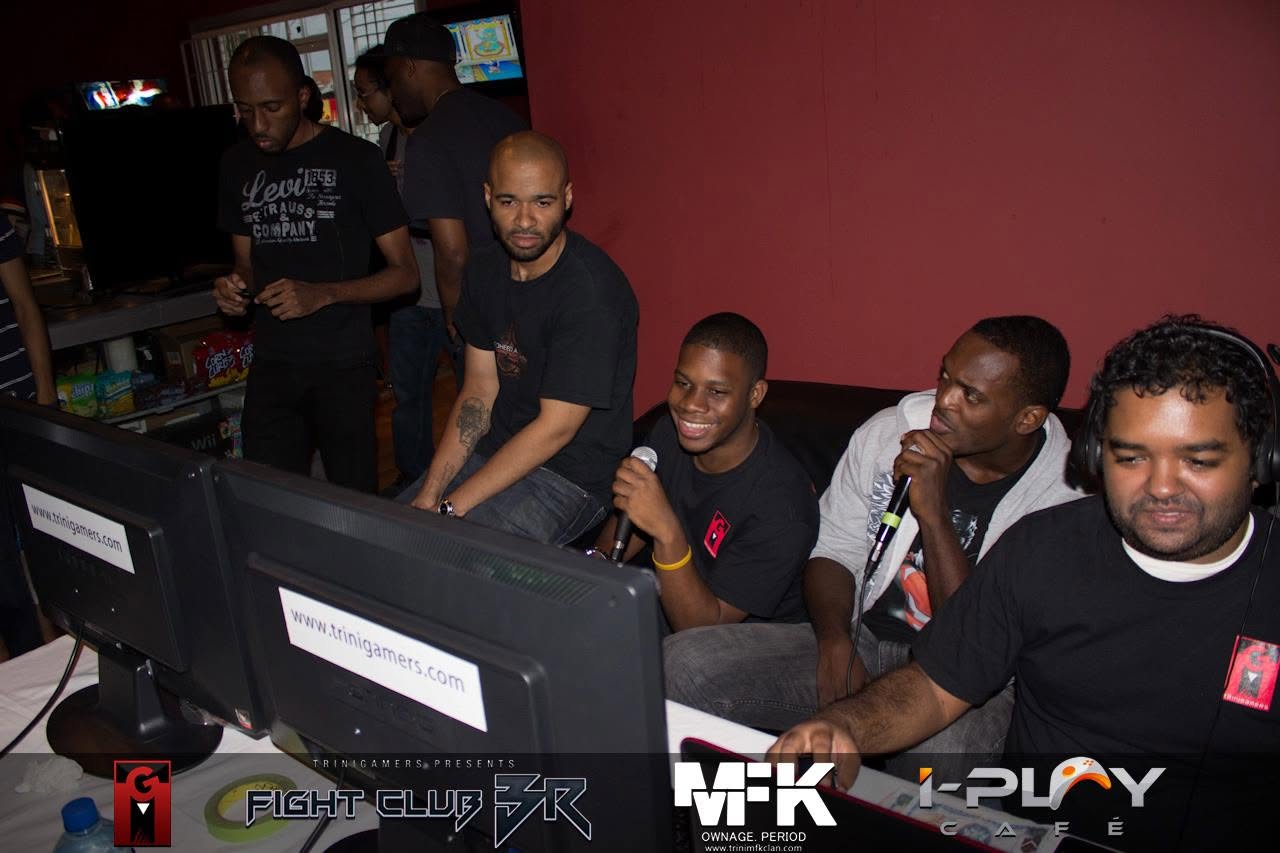
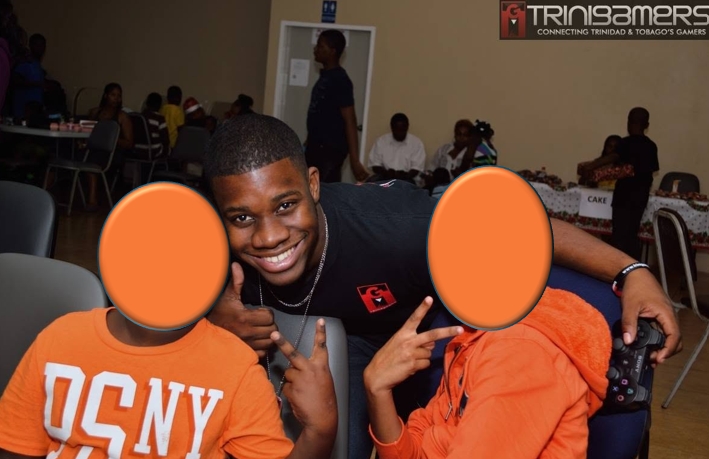
KEY TRINIGAMERS MEMBERSAleem MohammedRiyadh BakshiLester NidhanLarry HolderJason RenwickMoriba Howell
NEXT CHAPTER · 03Community experience meets commercial responsibility.From organiser to team and brand manager →03TEAM, BRAND &
BUSINESS
MANAGEMENT
BUSINESS
MANAGEMENT
2016
The manager.
The brand builder.
Online Marketing ManagerEsports Team Manager
A new challenge with a trusted collaborator.
After achieving major goals at Trinigamers, Akil and Jason Renwick moved together into Delirium Fun Entertainment Center. The opportunity placed community knowledge inside a commercial environment where players, promotion, customer experience and business objectives had to work together.
Enter the chapter ↓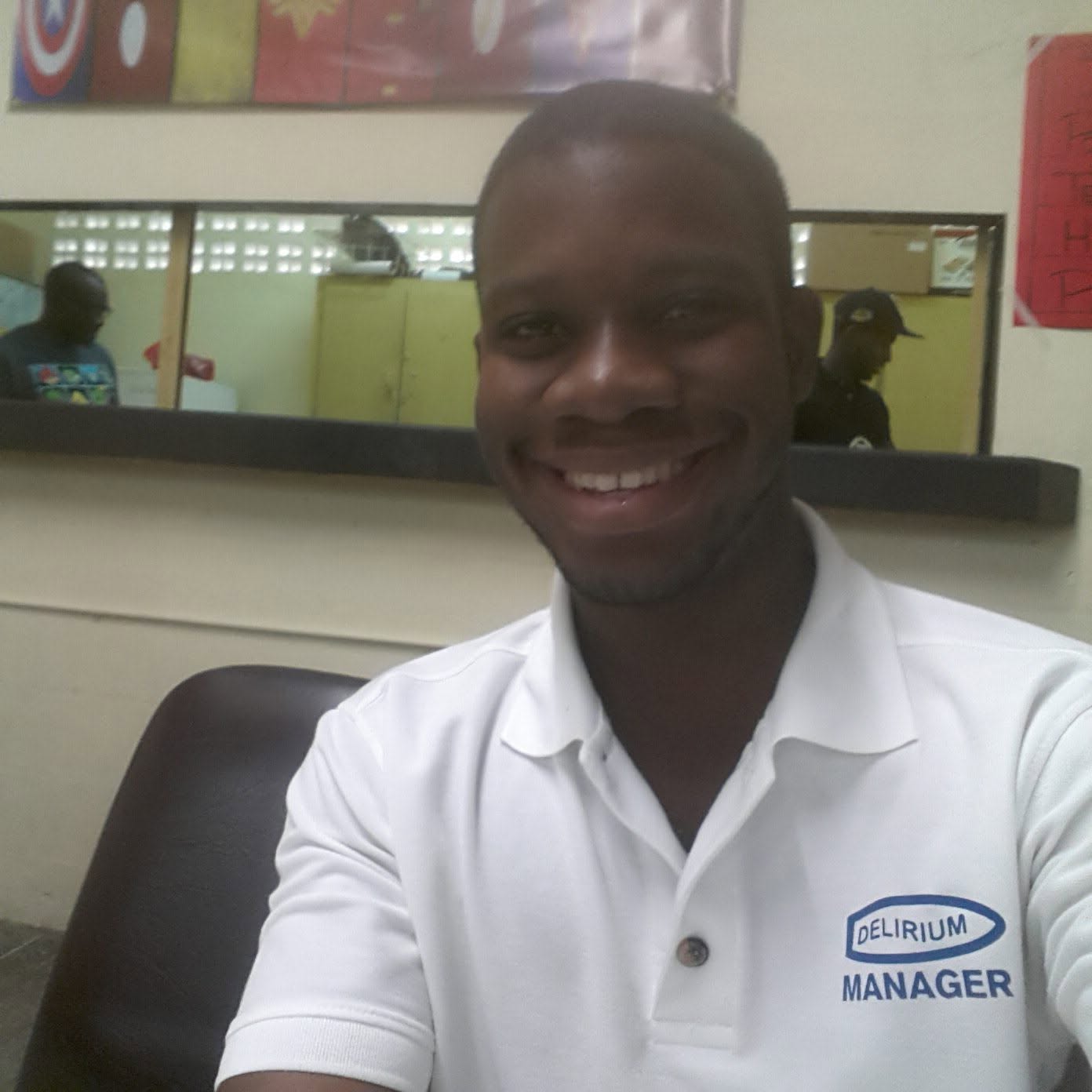
Online Marketing Manager
Creating and managing Delirium’s website and social-media presence while promoting its products, services and esports content.
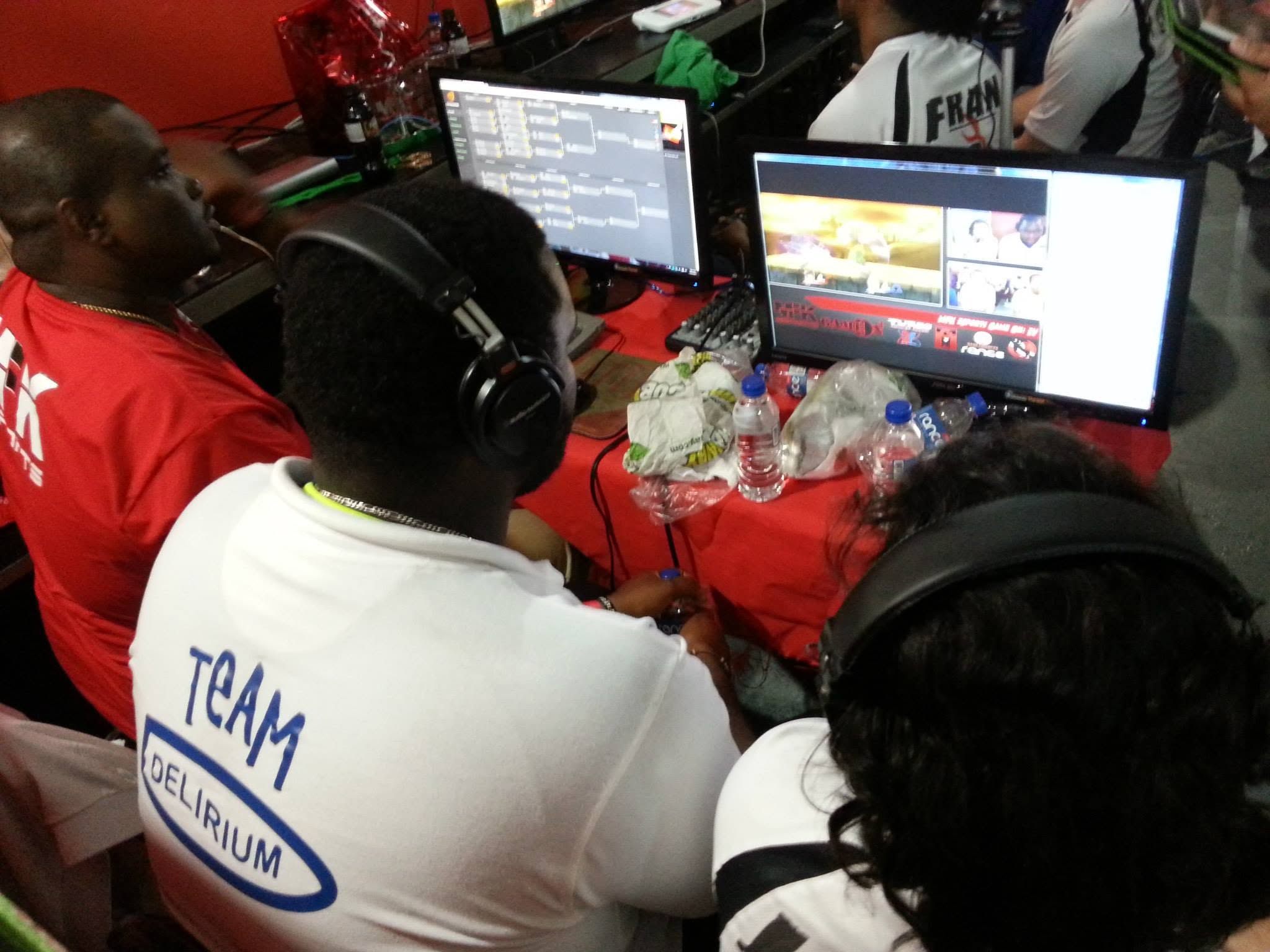
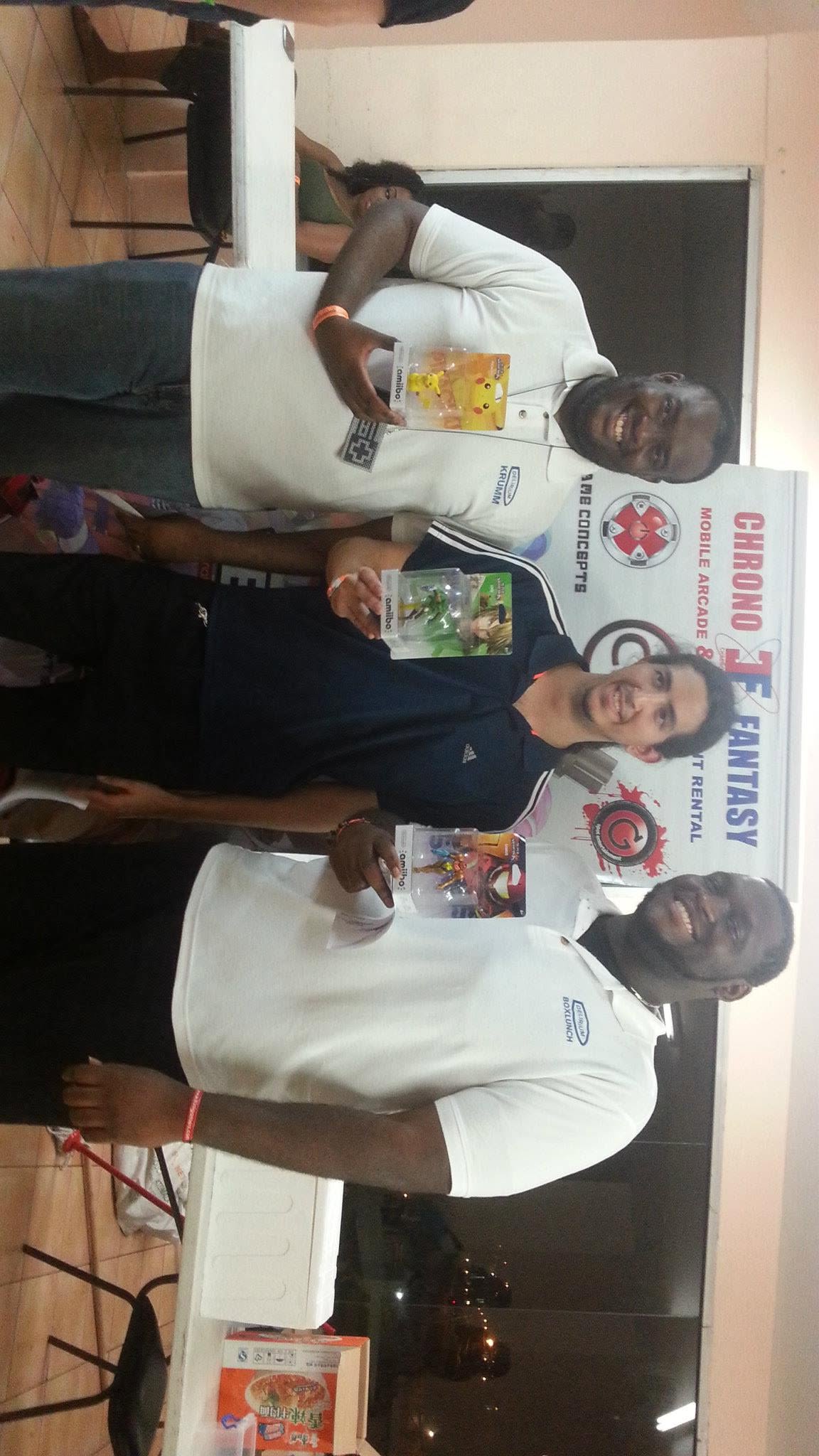
Esports Team Manager
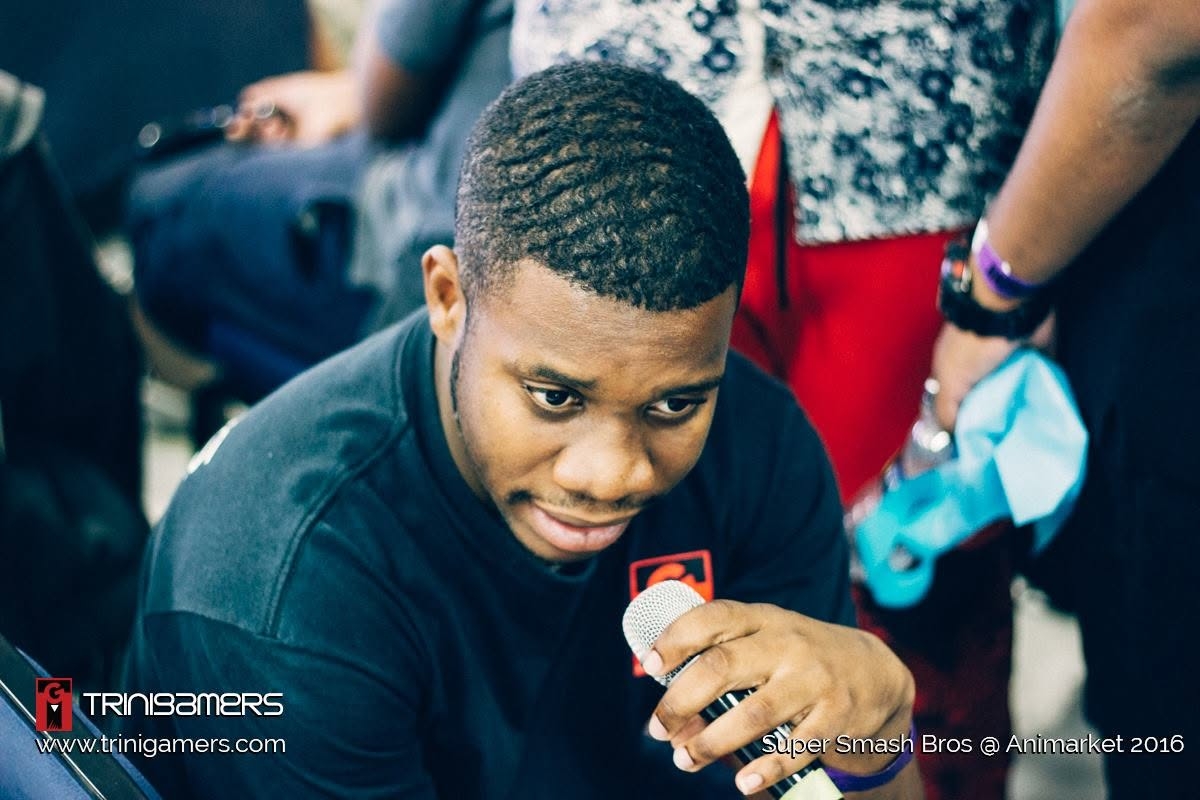
Managing sponsored Super Smash Bros. players Jadeite Jackson and Devon Dickson while building Team Delirium’s structure and visibility.
WHY THE MOVE HAPPENED
Choosing growth after community leadership.
Akil and Jason Renwick entered Trinigamers at the same time and developed a strong friendship. They also left together. Akil believed he had achieved several of his major goals after dedicating significant time to progressing the community and wanted to pursue something that reconnected leadership with the fun of building an esports team.
During 2016, they worked with Delirium Fun Entertainment Center, a Trinidad and Tobago family-entertainment business established in 2012.
THE DELIRIUM GAMING VISION
Building a recognisable gaming brand.
Akil and Jason developed Delirium’s online presence and strengthened the brand through consistent, organic promotion across its website and social platforms. Alongside Team Delirium, this helped the business connect more directly with Trinidad and Tobago’s gaming audience.
“Delirium taught me that a strong esports idea also needed structure, presentation and a sustainable public identity.”
After that one-year chapter, Akil and Jason joined Chinaka Herbert to establish their next venture: Paradigm Electronic Gaming.
04ESPORTS
CONSULTANCY
CONSULTANCY
2016–2021
The consultant.
The organisation
builder.
FounderEsports ConsultantOrganisational Development
Turning experience into strategic support.
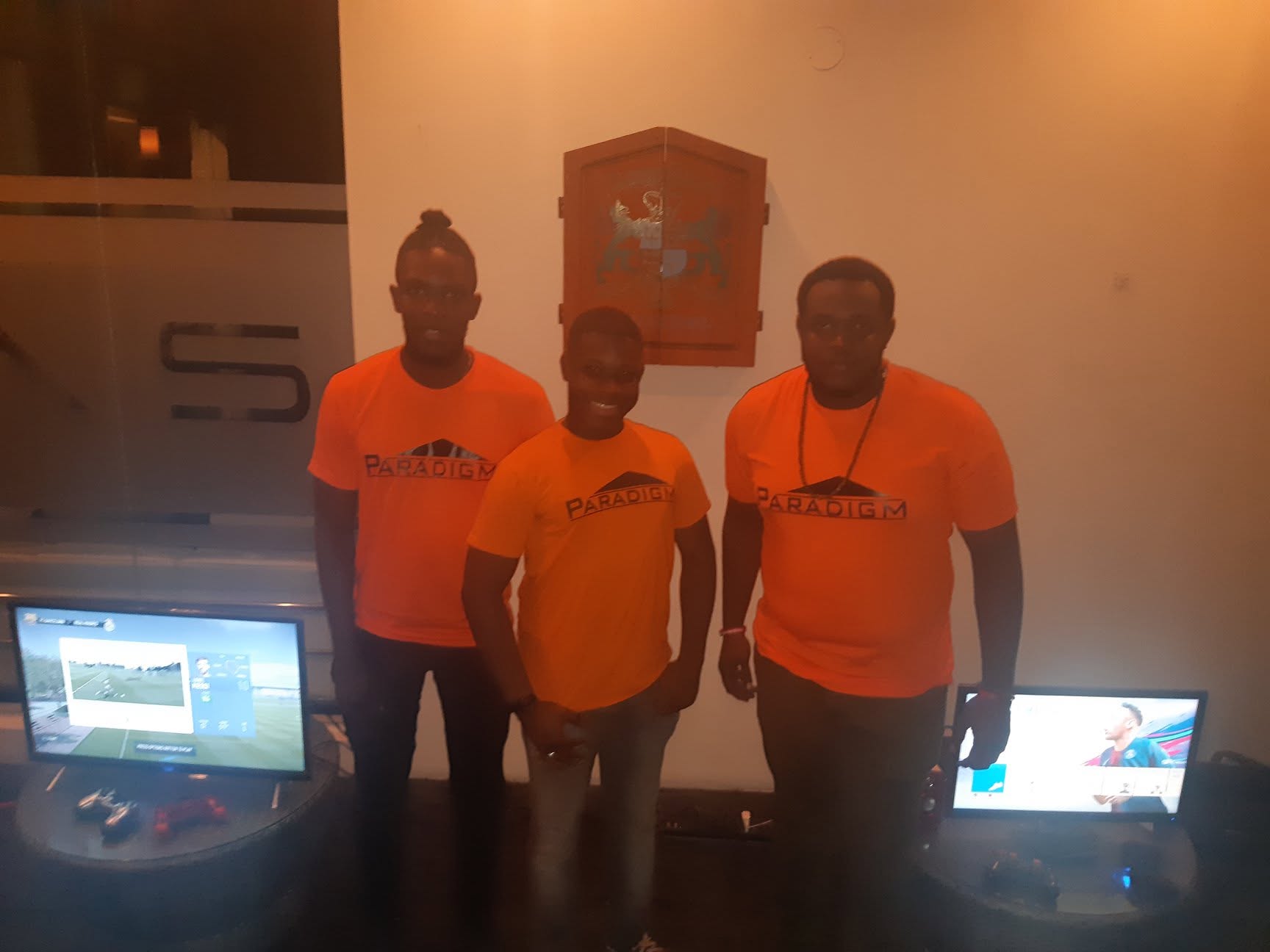
Paradigm Electronic Gaming brought together Akil O’Connor, Chinaka Herbert and Jason Renwick to offer consultancy services shaped by their experience across community esports, event delivery, marketing and business operations.
Enter the chapter ↓
THE NEXT VENTURE
Consultancy grounded in lived experience.
“Paradigm was our opportunity to apply everything we had learned—not as one event team, but as advisers helping different organisations solve their own esports challenges.”
Paradigm Electronic Gaming focused first on the challenges facing organisers and emerging esports organisations. With Chinaka Herbert bringing her experience in event management to the team, the work combined complementary strengths in esports consultancy, event planning and organisational development to help strengthen both public-facing activity and the organisations behind it.
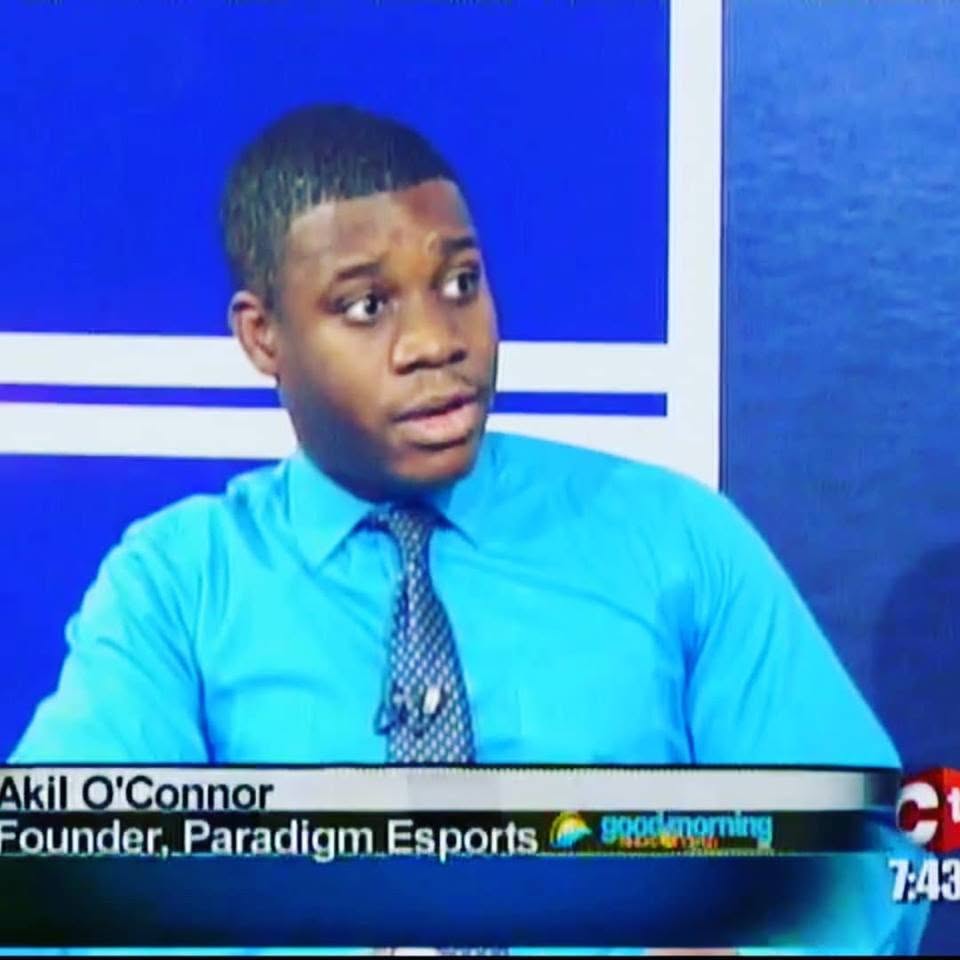
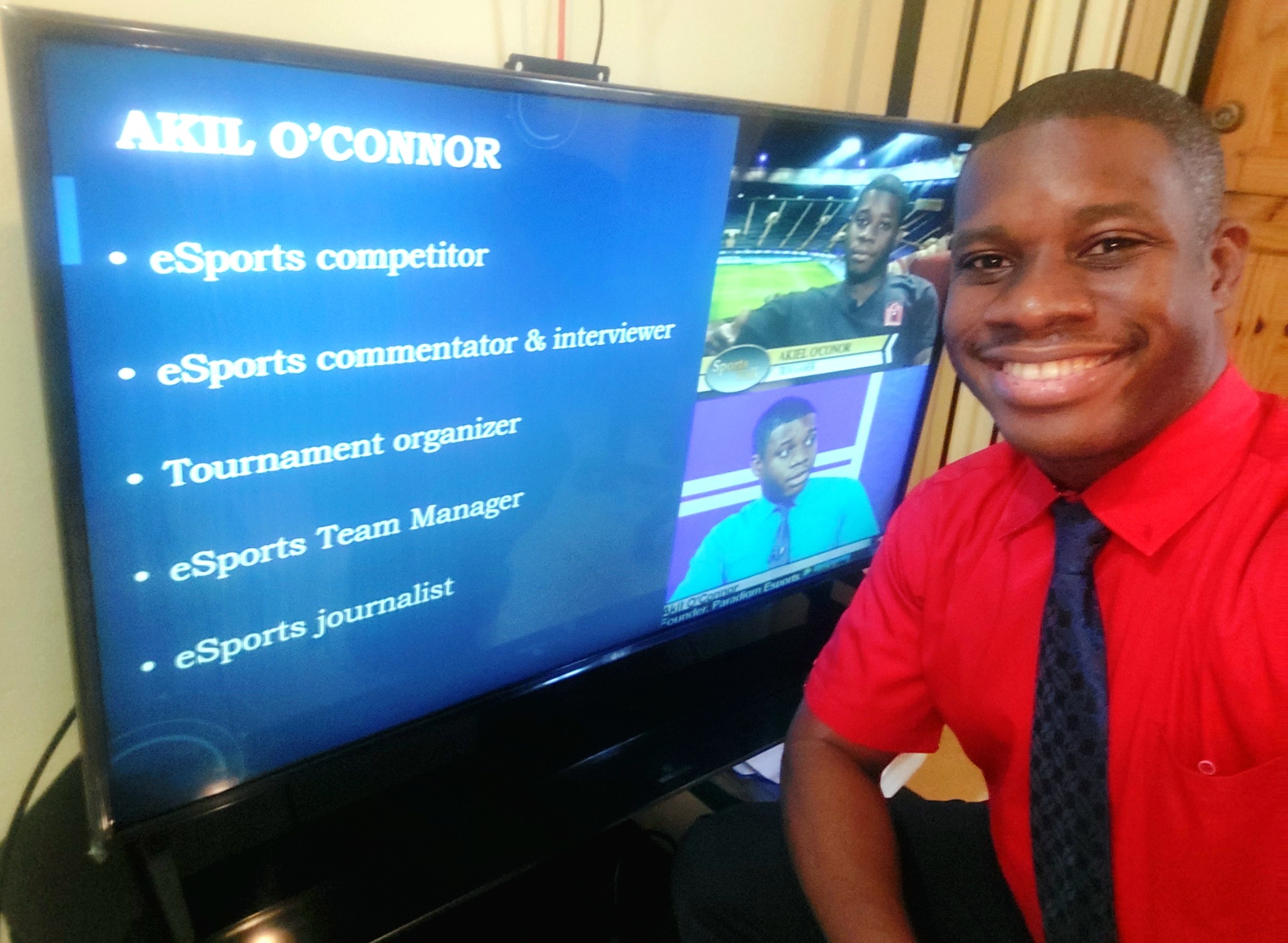
Through television programmes and other media platforms, Akil also helped educate the public about esports, explain the developing industry and broaden understanding of its competitive, organisational and professional potential.
“Paradigm taught me to listen first: every organisation had a different audience, capacity and definition of success.”
FOUNDERSAkil O’Connor · Chinaka Herbert · Jason Renwick
SELECTED ORGANISATIONS & EVENTS
Supporting Trinidad and Tobago’s developing esports ecosystem.
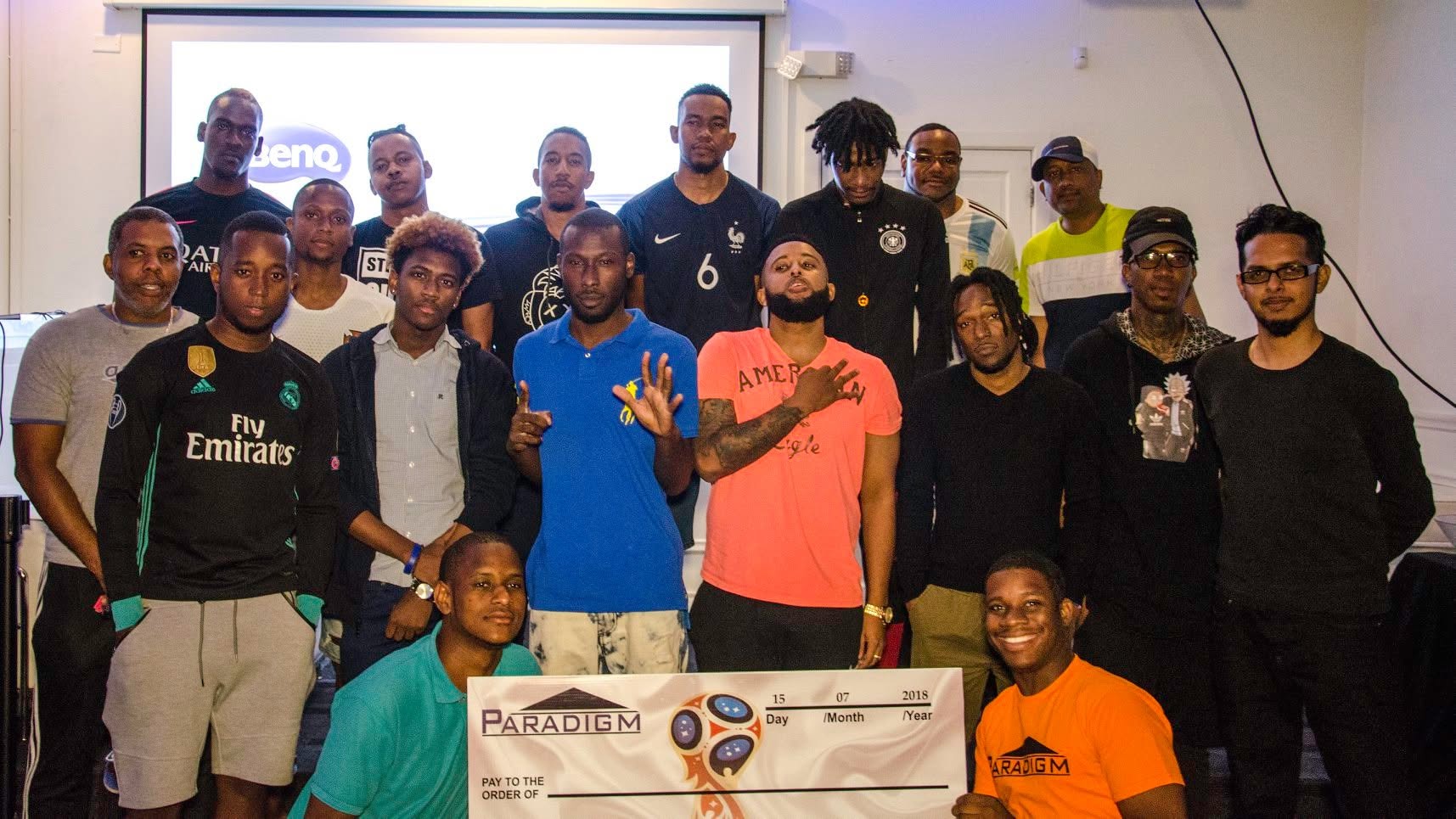
Paradigm worked across the emerging local esports landscape—supporting organisers, entertainment events and community initiatives with guidance shaped around their scale, audience and operational needs.
The emphasis was on helping each engagement communicate its purpose, strengthen its public presence and deliver a more structured experience for participants, audiences and partners.
Esports Consultancy
Translating lived experience across competition, community and management into practical guidance for developing esports initiatives.
Event Planning
Helping organisers shape tournament operations, audience experience and event delivery around a clear purpose.
Organisational Development
Supporting stronger structures, positioning and sustainable decision-making behind esports activity.
Commentary & Audience EngagementPresentations & Public Esports EducationBrand, Website & Digital Support
Explaining esports beyond the gaming audience.
Television programmes, media appearances and educational presentations gave Akil opportunities to introduce the developing industry, its professional possibilities and its wider public value.
Helping local initiatives present themselves with greater structure.
Across selected organisations and events, Paradigm combined planning, commentary, promotion and organisational guidance to strengthen how esports experiences were communicated and delivered.
Gaming & Esports


Events & Entertainment


Community Organisations
“Paradigm showed me that esports organisations needed more than events—they needed public understanding, educational purpose and credible pathways. The IVLP gave me the language and international perspective to begin addressing that challenge.”
05EDUCATION &
SCHOLASTIC
ESPORTS
SCHOLASTIC
ESPORTS
2009–PRESENT
The educator.
The programme builder.
EducatorSEsport FounderNASEF Affiliate LeadConsultant
Turning experience into opportunity for students.
Teaching became the bridge between Akil’s experience in gaming and his long-term purpose. Classroom practice, international exposure and organisational leadership converged into programmes that connect play with learning, belonging, digital skills and globally relevant opportunity.
Enter the chapter ↓THE CATALYST · IVLP 2021
Where esports, education and opportunity converged.
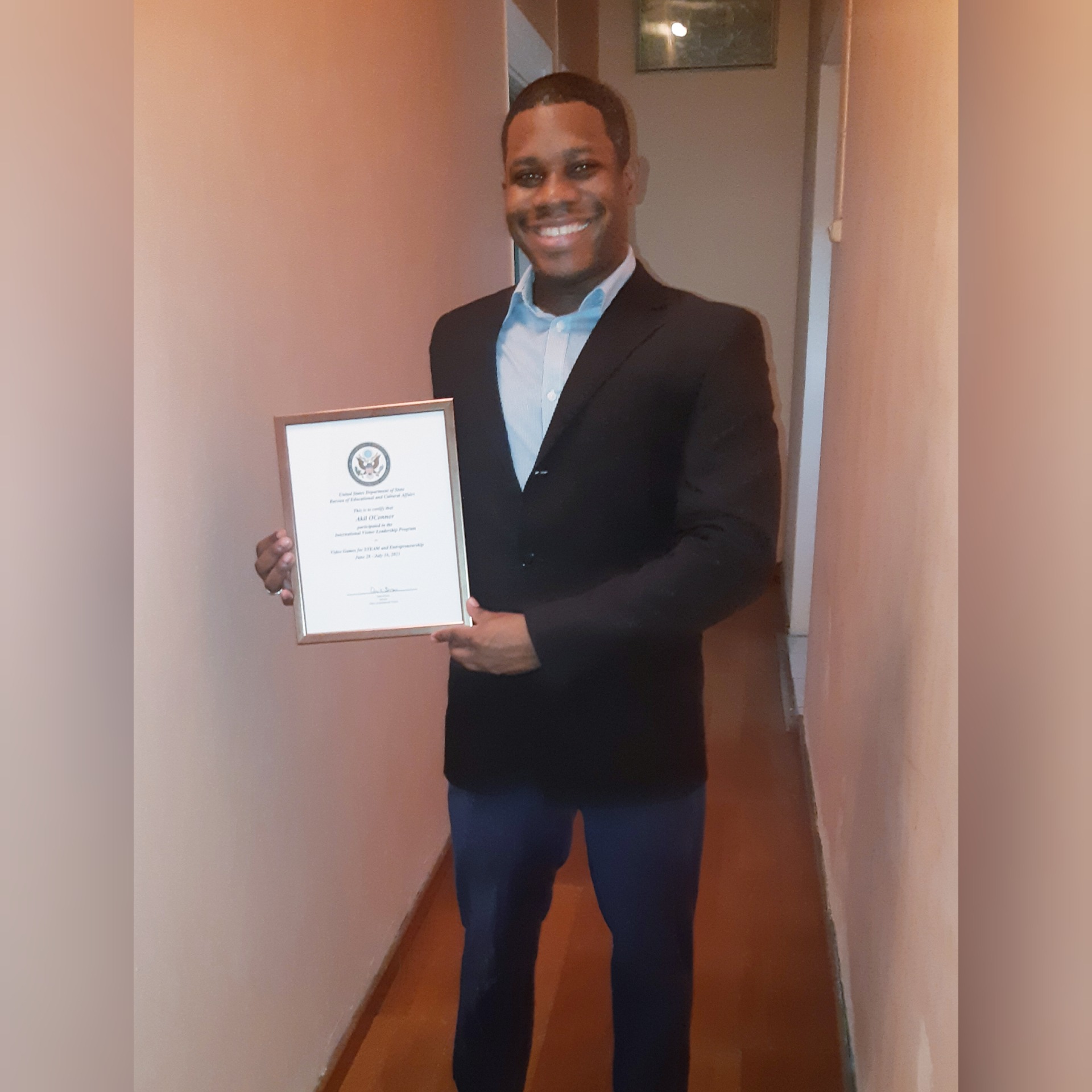
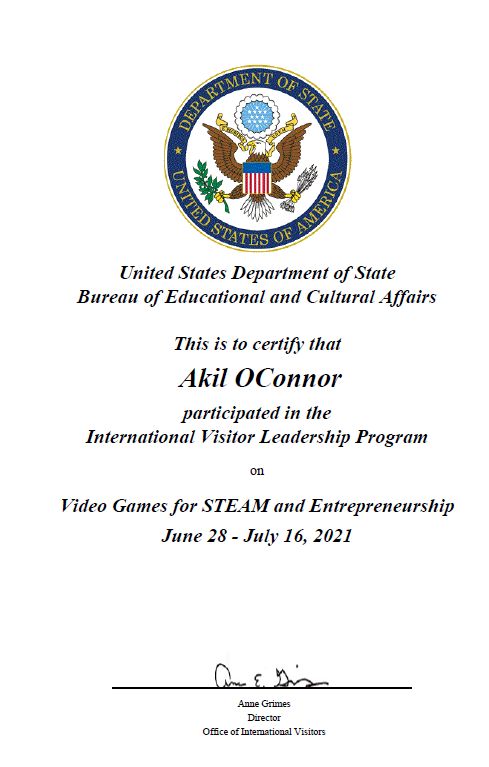
From 28 June to 16 July 2021, Akil participated in the U.S. Department of State’s International Visitor Leadership Program regional project, Video Games for STEAM and Entrepreneurship. He joined professionals from across the Western Hemisphere as an esports expert and high-school teacher representing Trinidad and Tobago.
The programme explored educational technology, esports careers, entrepreneurship, immersive technology, serious games and the STEAM skills surrounding interactive media—showing how partnerships and responsible digital practice could create stronger opportunities for young people.
“Until IVLP, I understood esports mainly through competition, community and industry development. The programme helped me see that those same experiences could become structured learning opportunities for students.”
PROGRAMMEVideo Games for STEAM & EntrepreneurshipPARTICIPATIONEsports Expert & High-School TeacherDATES28 June–16 July 2021
THE PROVING GROUND · SCHOOL IMPLEMENTATION
The e-sport pilot programme.
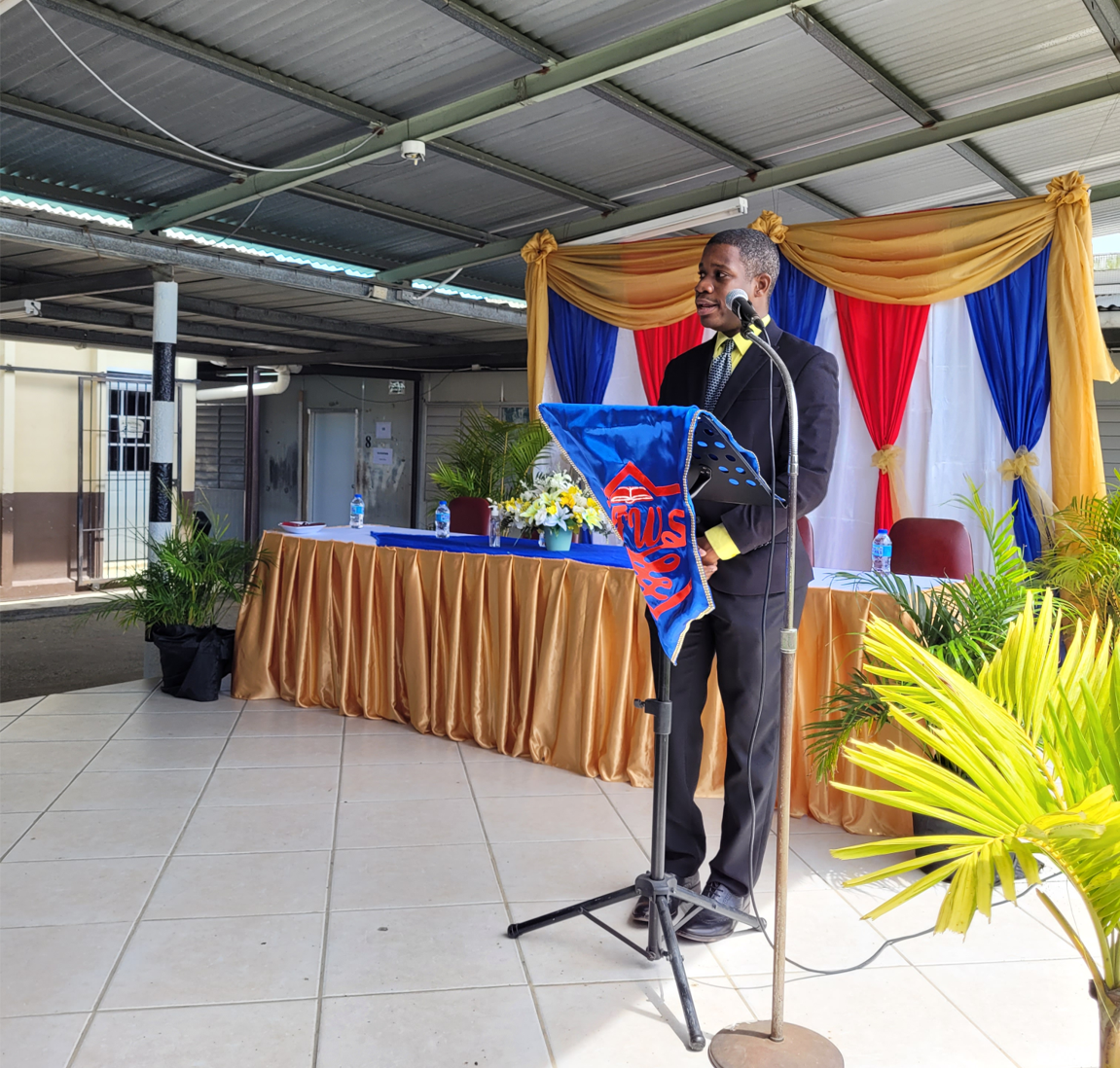
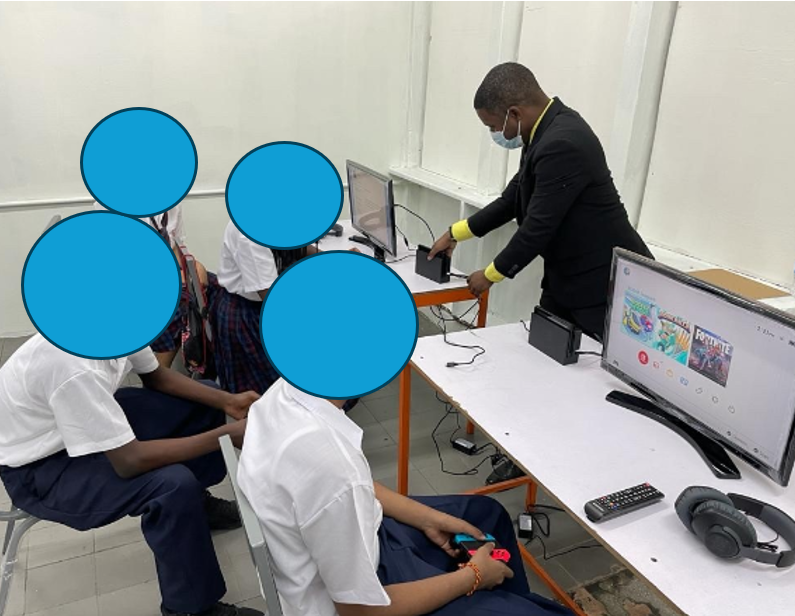
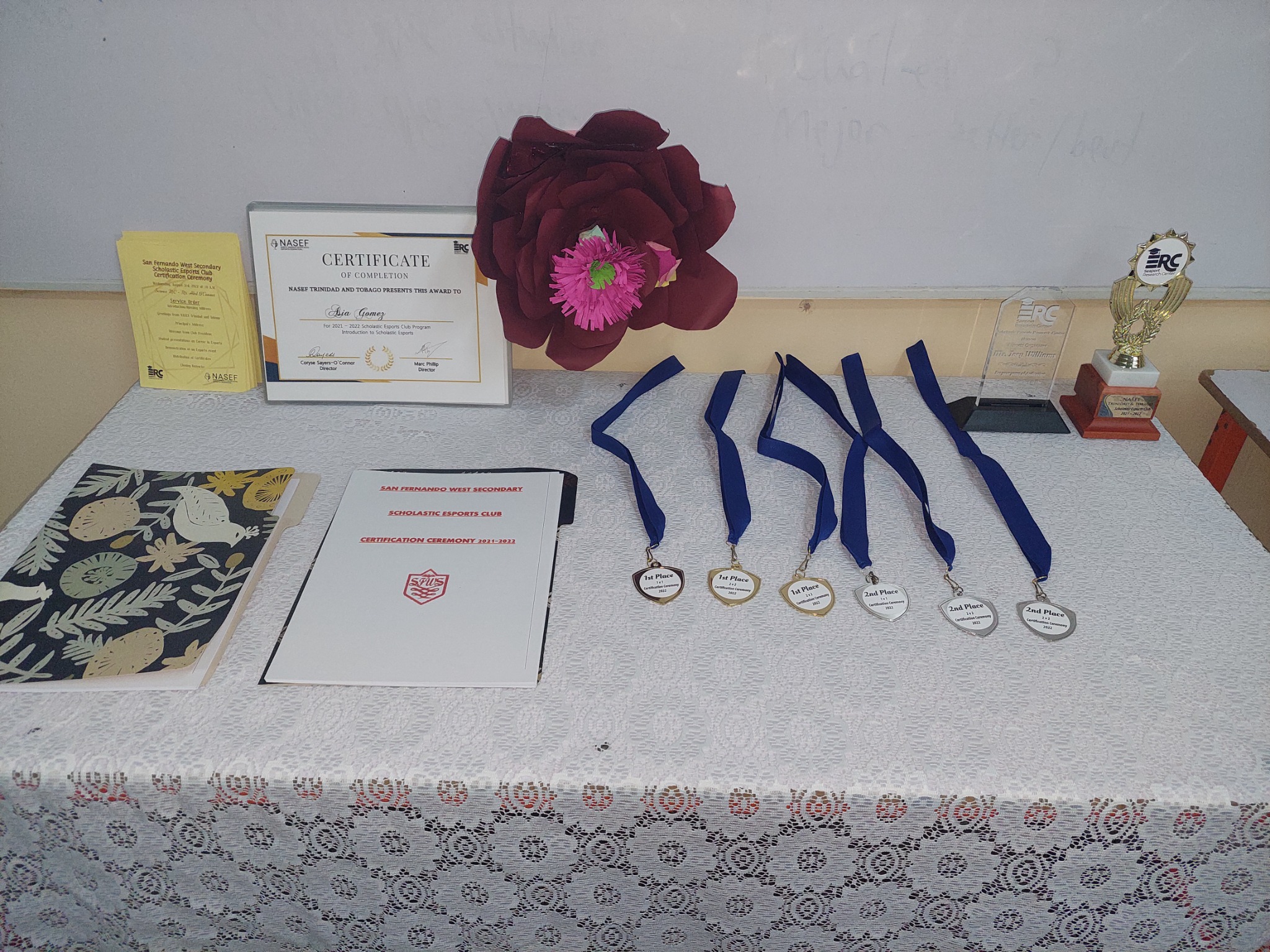
The lessons of IVLP moved from international exchange into Trinidad and Tobago’s schools. A U.S. Department of State-funded e-sport pilot was launched at Goodwood Secondary School in Tobago and San Fernando West Secondary School, creating structured school-based experiences around esports.
At San Fernando West Secondary and Goodwood Secondary, Akil helped bring the programme to life through club development, equipment access, student competition, certification and recognition. Working with the SFWS Shining Knights and Goodwood Secondary’s GSS Royals gave him direct experience translating the promise of scholastic esports into working school environments across both Trinidad and Tobago.
The work established a new professional direction: programmes in which gaming strengthened engagement, teamwork and leadership while exposing students to wider educational and career pathways.
View the U.S. Embassy programme record →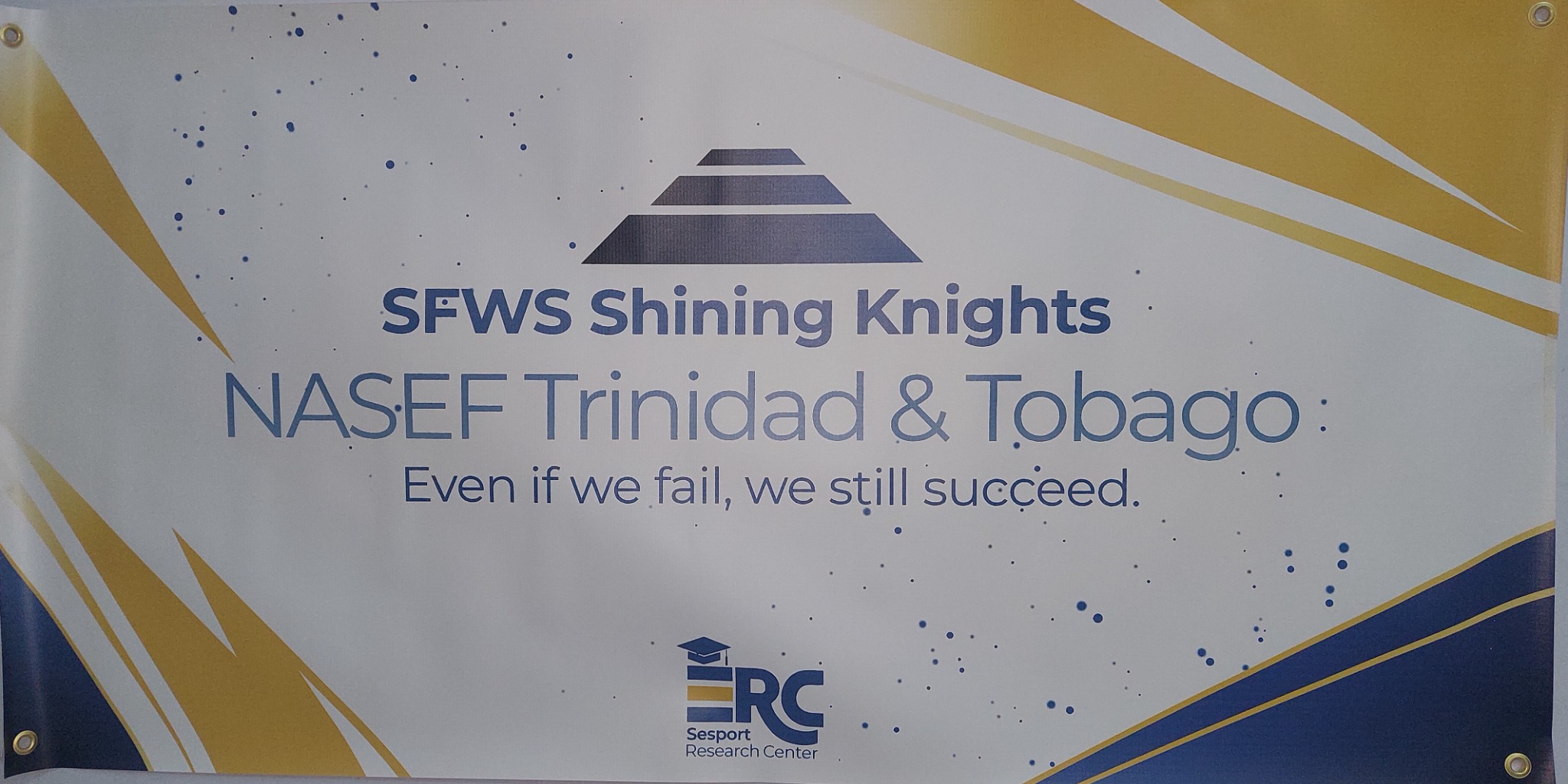
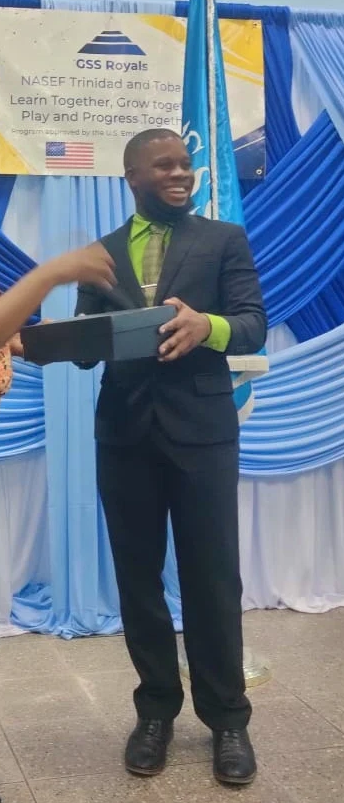
THE 2021 OVERLAPInternational learning and local implementation were happening at the same time.
As IVLP expanded Akil’s understanding of education and careers, school-based activity in Trinidad and Tobago was already testing those ideas in practice. SEsport emerged from that convergence—formalising lessons, relationships and programme experience that were developing together.
THE INSTITUTION · DECEMBER 2021
The Scholastic Esports Research Center.
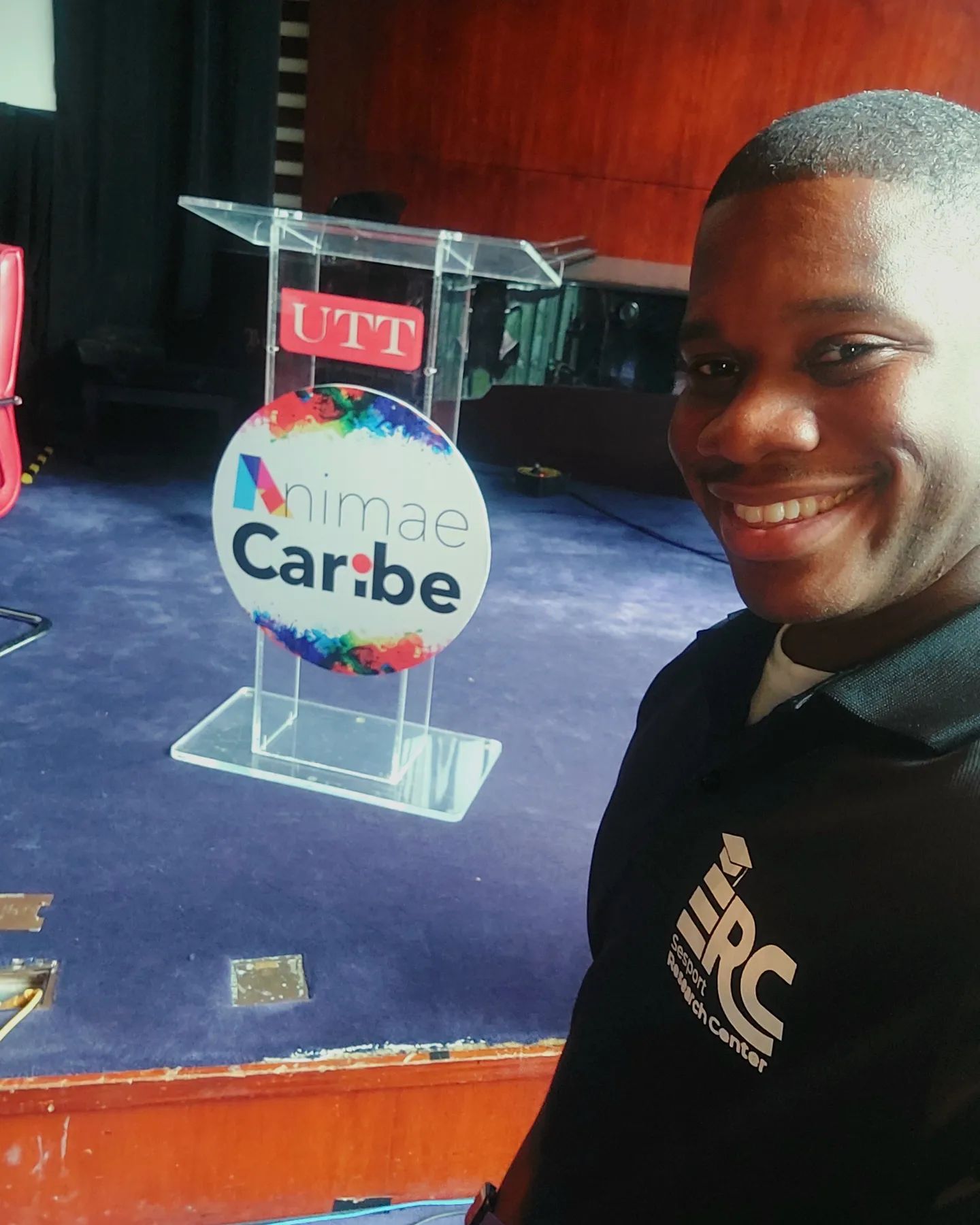
As the IVLP experience and local school implementation began reinforcing each other, Akil gained a clearer understanding that esports could create educational and professional pathways far beyond becoming a player. In December 2021, he joined Marc Phillip and Coryese Sayers-O’Connor to establish the Scholastic Esports Research Center—SEsport.
The organisation addressed a regional awareness gap by helping schools, families and community organisations understand scholastic esports while introducing young people to its wider careers, skills and opportunities.
“The question was no longer only how students could play. It was how esports could help them learn, discover careers and see themselves as part of a global industry.”
THE INTERNATIONAL FRAMEWORK17 FEBRUARY 2022
Local purpose. International framework.
SEsport became Trinidad and Tobago’s NASEF affiliate, connecting its local mission to an international network offering tournaments, programmes, curriculum and implementation expertise. The affiliation gave the emerging organisation international recognition and a credible framework that had not previously existed locally.
It positioned SEsport to connect student interest in gaming with STEM and STEAM learning, collaboration, problem-solving, entrepreneurship and careers.
“For years, we had been explaining why esports mattered. Becoming the NASEF affiliate meant Trinidad and Tobago finally had an internationally recognised framework behind that conversation.”Read the official NASEF announcement →
THE PROOF · FIRST PROGRAMMES
Proof began inside schools.
SEsport’s earliest work translated its regional vision into programmes that students and educators could experience directly.
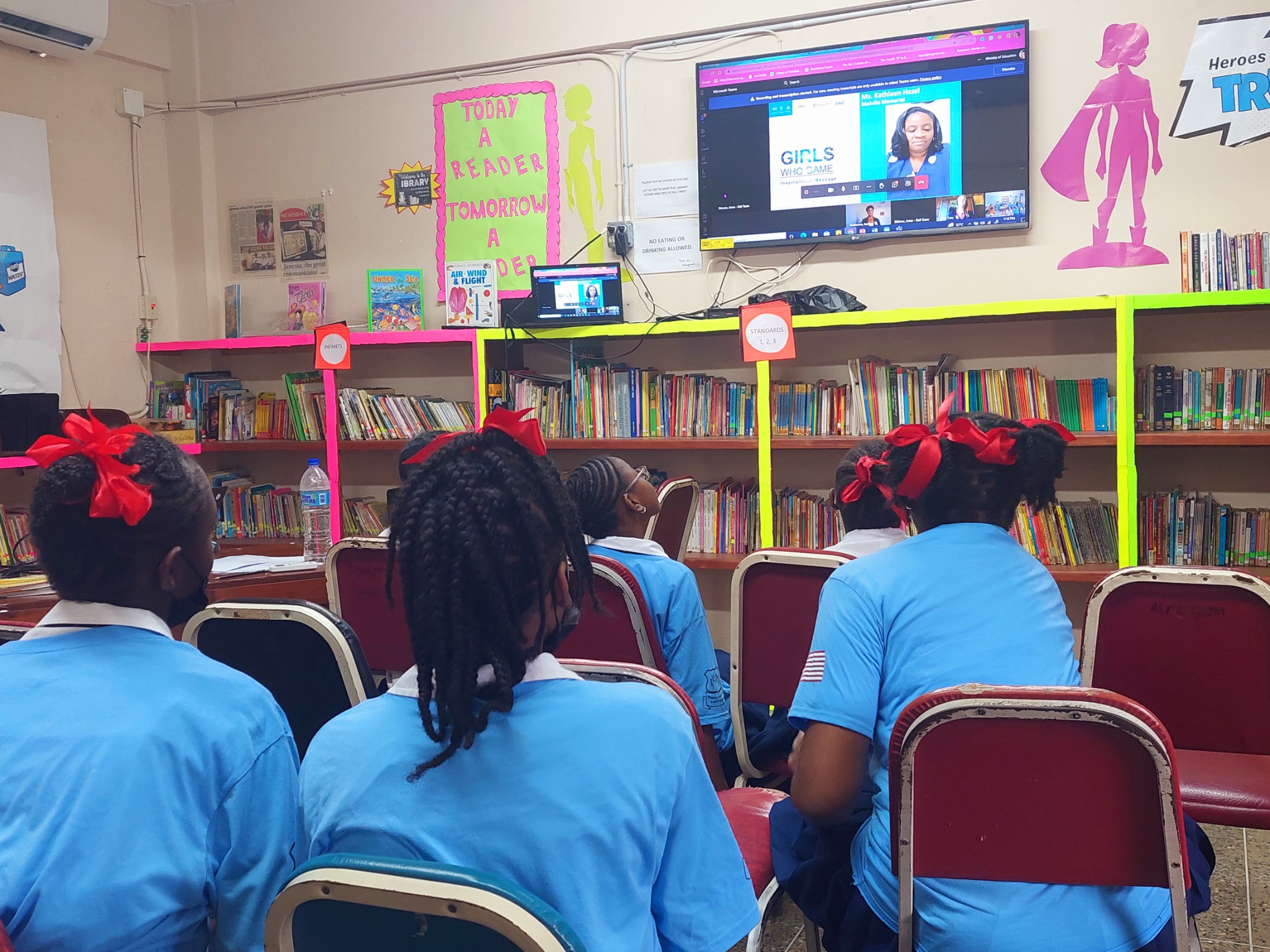
MELVILLE GIRLS MEMORIAL ANGLICAN
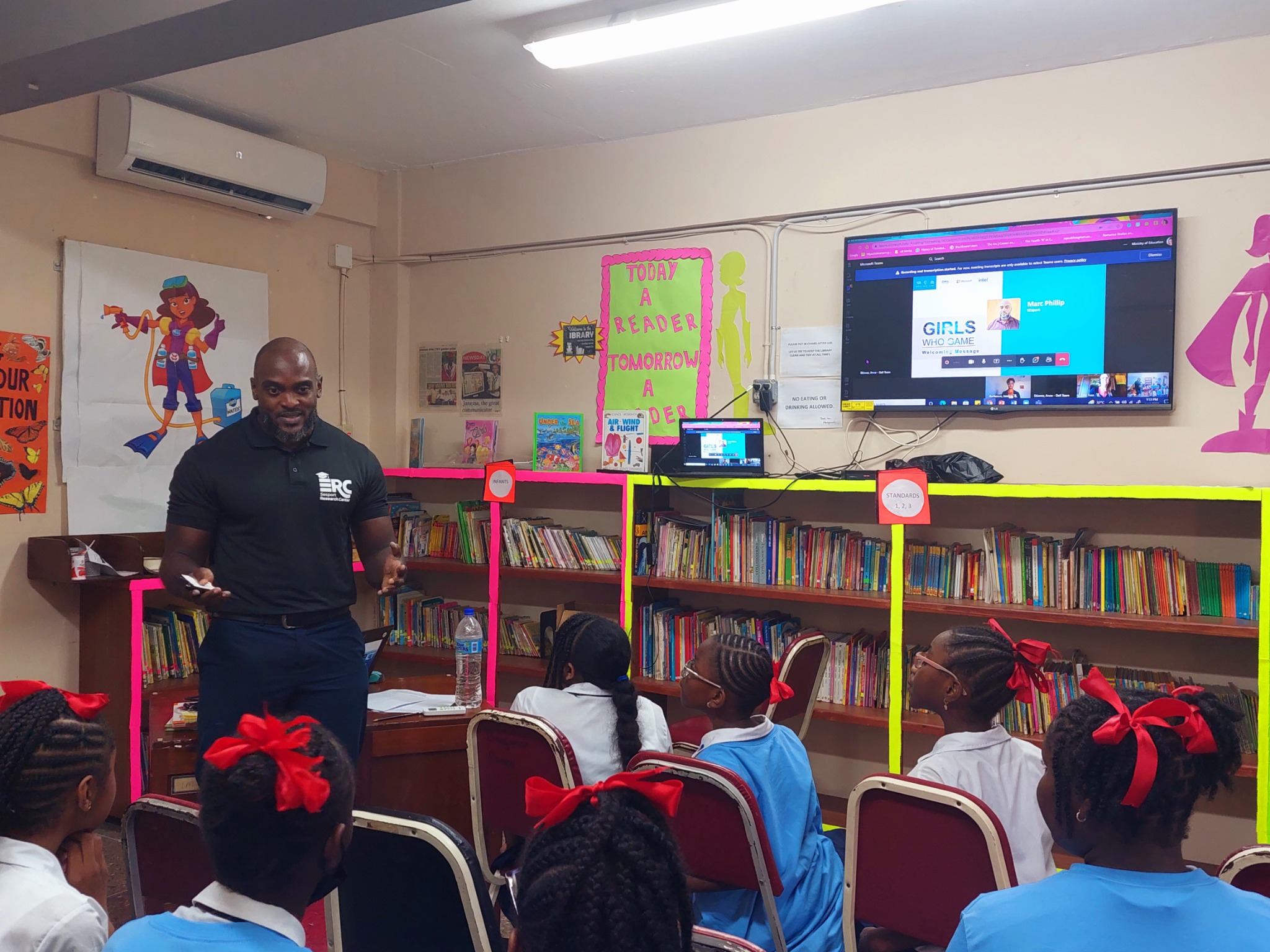
Girls Who Game
Through Girls Who Game, students used gaming to explore STEM skills, computational thinking, communication, collaboration, creativity and problem-solving within a supportive school community.
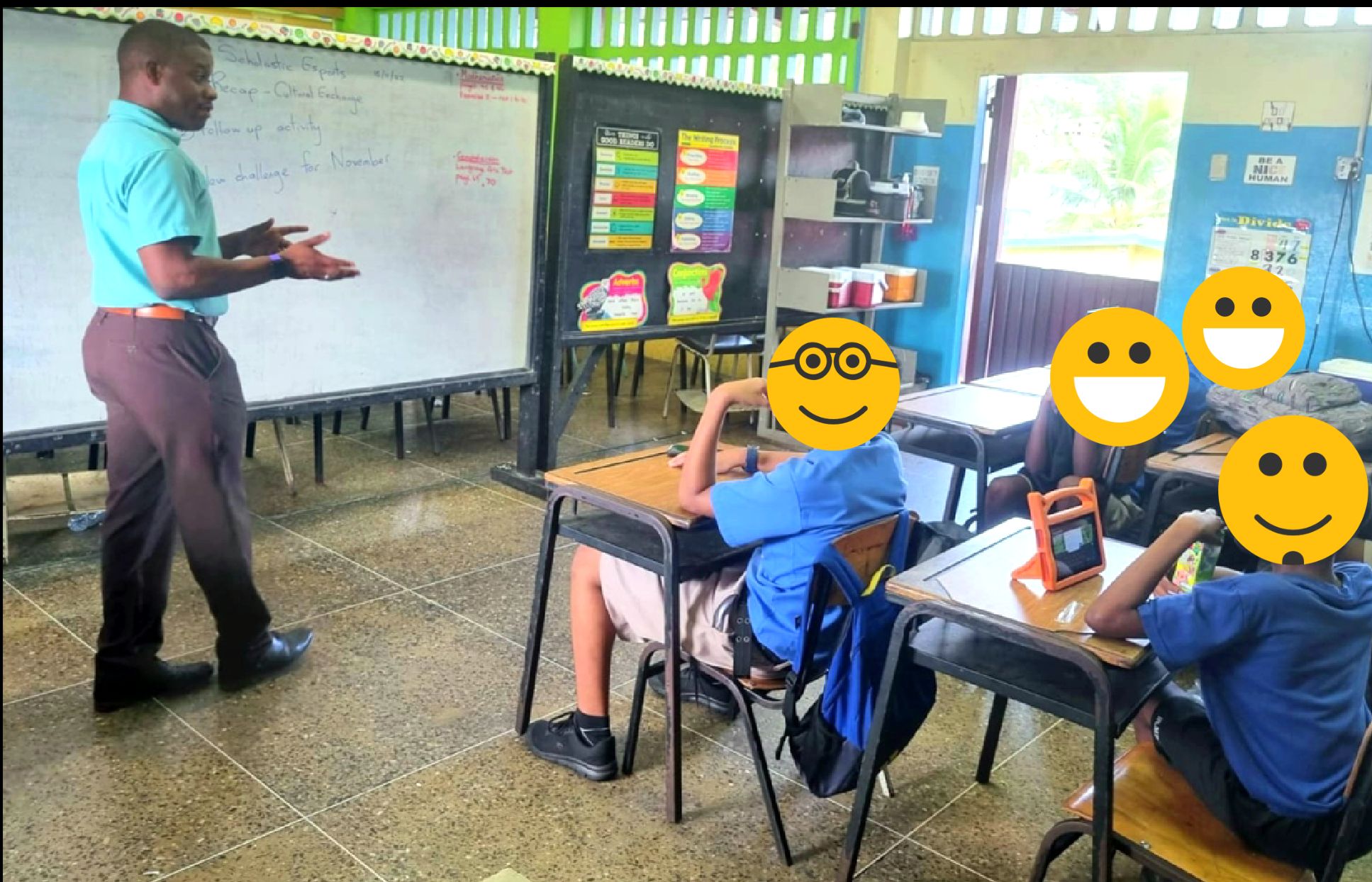
ST. MARGARET’S BOYS’ ANGLICAN
A NASEF scholastic esports club
The school-based club introduced students to structured scholastic esports and used gaming as a bridge for international exchange. Students connected with peers in Japan and joined Esports Gaming Club CCCN in Costa Rica for a meet-and-greet and cross-cultural Minecraft build challenge.
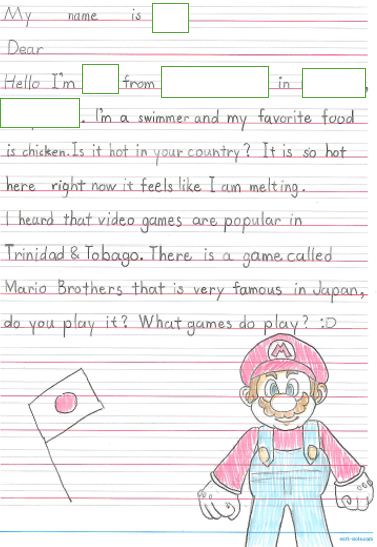
TRINIDAD & TOBAGO × JAPAN
Gaming as a shared language
Students used letters, questions and familiar game characters to learn about one another beyond the screen.
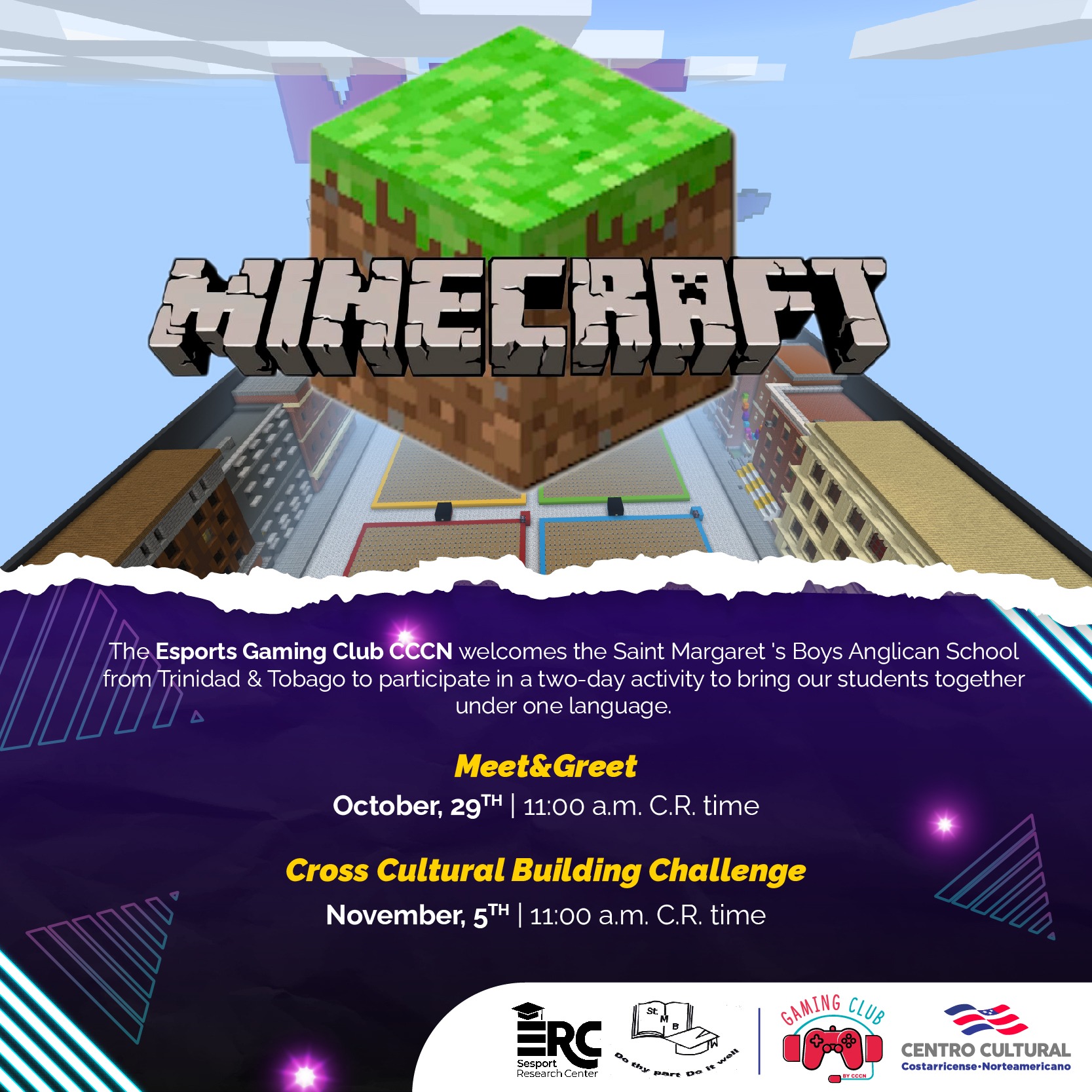
TRINIDAD & TOBAGO × COSTA RICA
A cross-cultural build challenge
A two-part activity brought students together for a meet-and-greet followed by collaborative building in Minecraft.
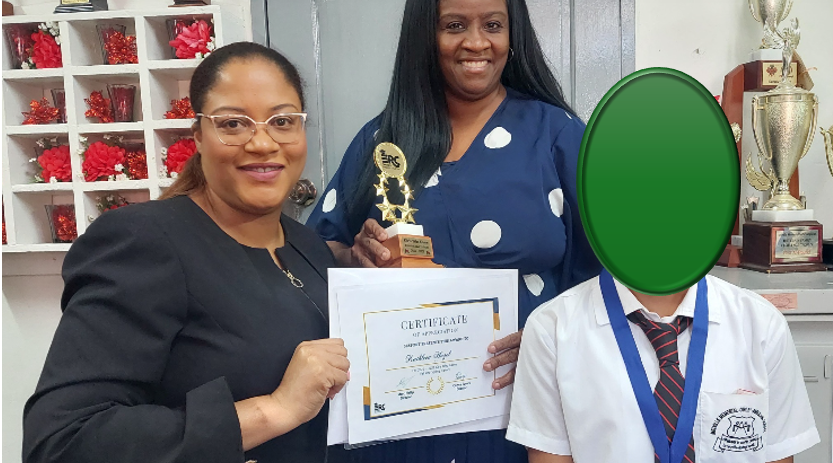
THE GLOBAL LEARNING CHAPTER · 2022–2025
From international Fellow to Scholastic Mentor.
SEsport gave Akil an institution through which to act locally. NASEF’s Scholastic Fellow Program then challenged him to deepen the framework, learn alongside international educators and create something that could benefit people beyond Trinidad and Tobago.
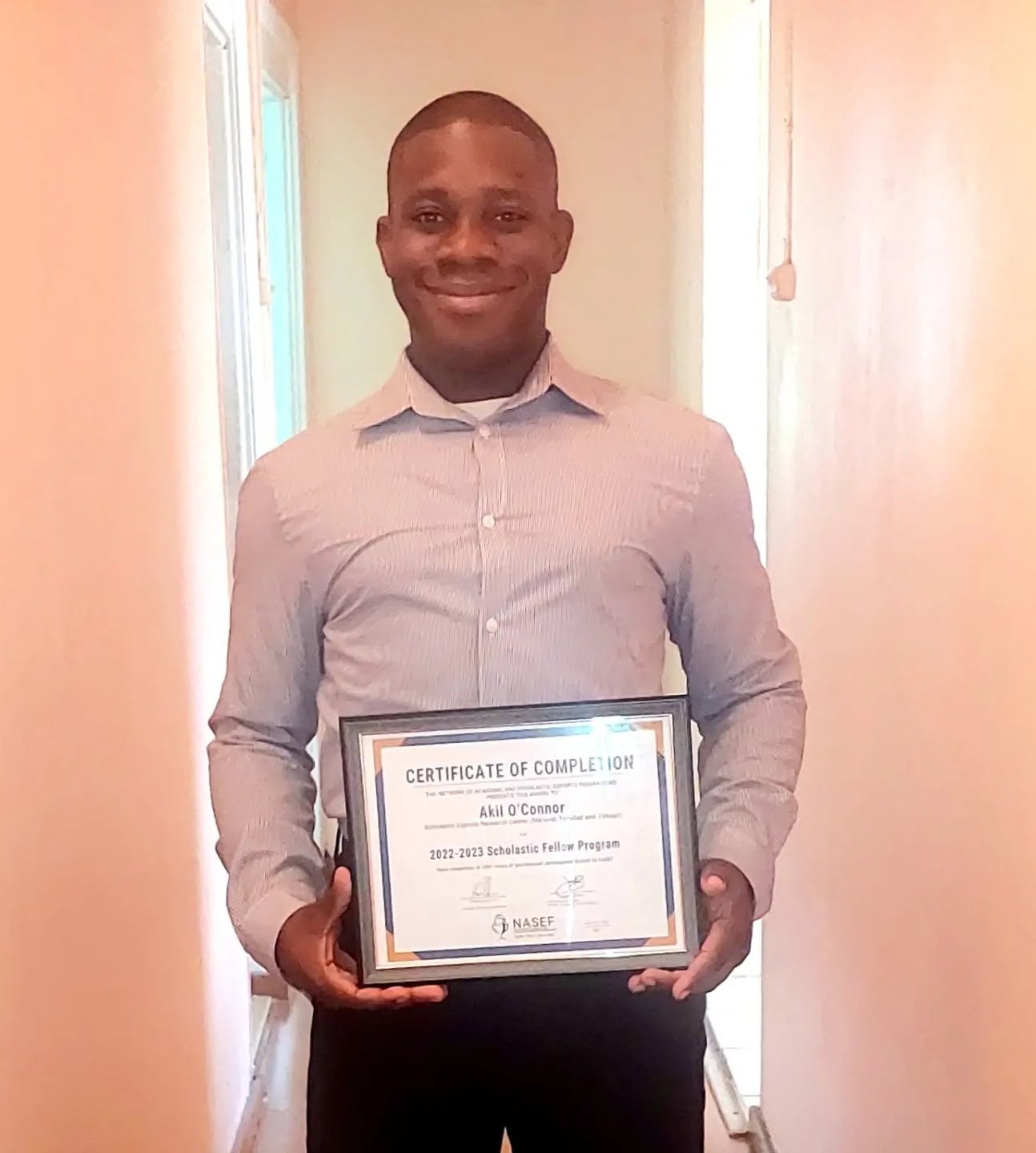
SELECTED TO REPRESENT TRINIDAD & TOBAGO
A global language for learning.
Akil applied to the programme and was selected among an international cohort of educators and esports leaders. The Fellowship expanded his understanding of scholastic esports as a global activity—one capable of adapting to different cultures while using gaming as a shared language.
Monthly Professional Learning Community meetings created space to compare club experiences, discuss successes and challenges, and find practical solutions through shared experience. Conversations with Fellowship leaders Jorrel Batac and Jihan Johnston-McGlotten were especially influential: Jorrel encouraged Akil to dream bigger and explore without fear, while Jihan reinforced that he was prepared for global challenges.
Their guidance helped Akil move beyond simply learning from the Fellowship to seeing himself as someone capable of applying those lessons, building programmes and contributing his own perspective internationally.
“Being selected from Trinidad and Tobago for an international cohort changed how I saw the reach of our work. It showed me that what we were building locally could contribute to a much larger global conversation.”
THE SIGNATURE FELLOWSHIP PROJECT
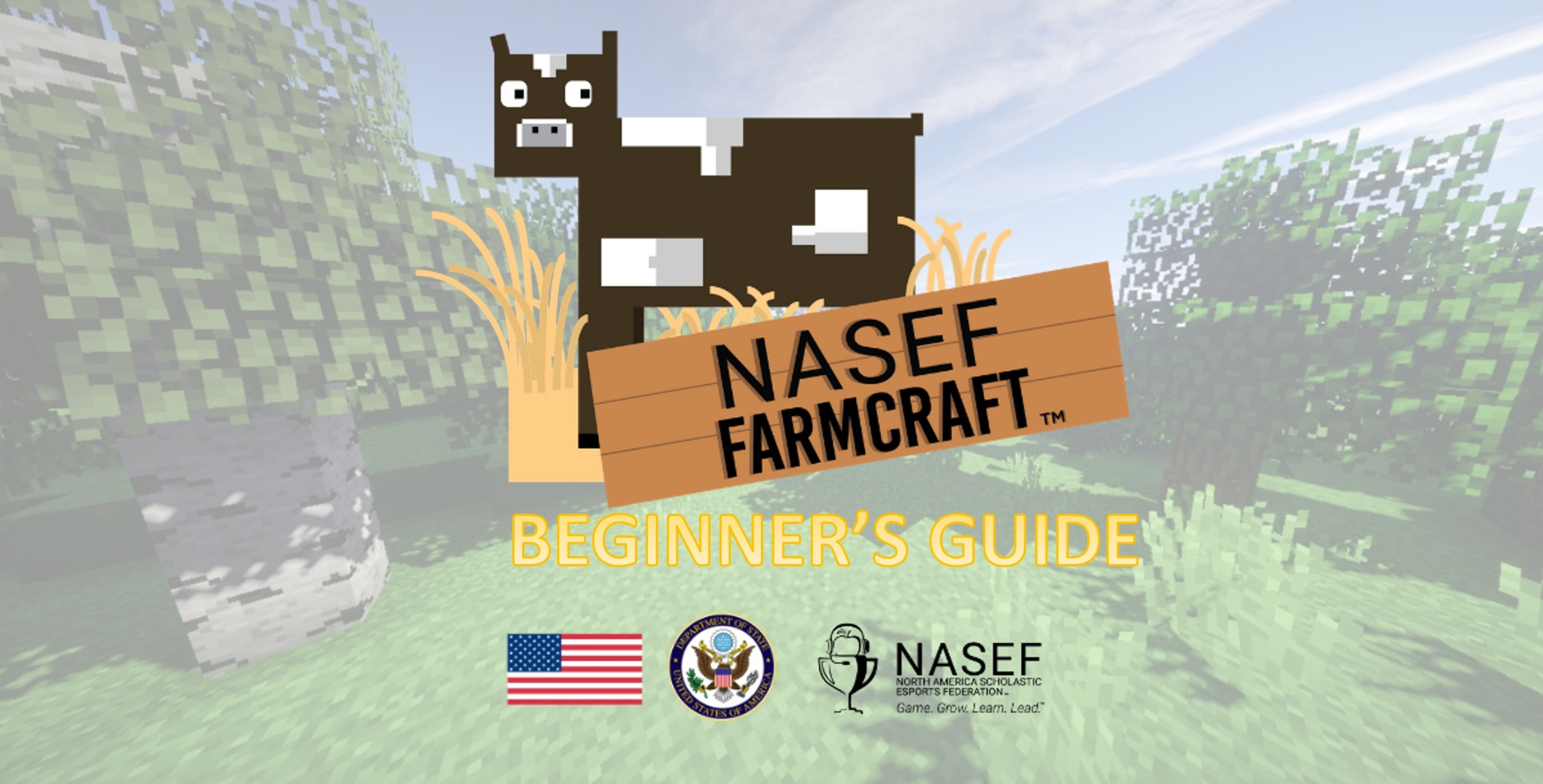
A beginner’s guide created in Trinidad and Tobago—for educators everywhere.
During the pandemic, Akil saw how easily unfamiliar technology could intimidate educators. His response was the NASEF Farmcraft Beginner’s Guide: a completed written resource and accompanying YouTube series explaining installation, gameplay and key objectives step by step.
The guide was designed for teachers and first-time participants with limited technical experience, helping them enter Farmcraft confidently without becoming lost in a new platform. Although informed by local experience, it was deliberately created for anyone internationally who wanted to participate.
RETURNING TO SERVE · 2024–2025
Two Trinidad and Tobago perspectives. One international platform.
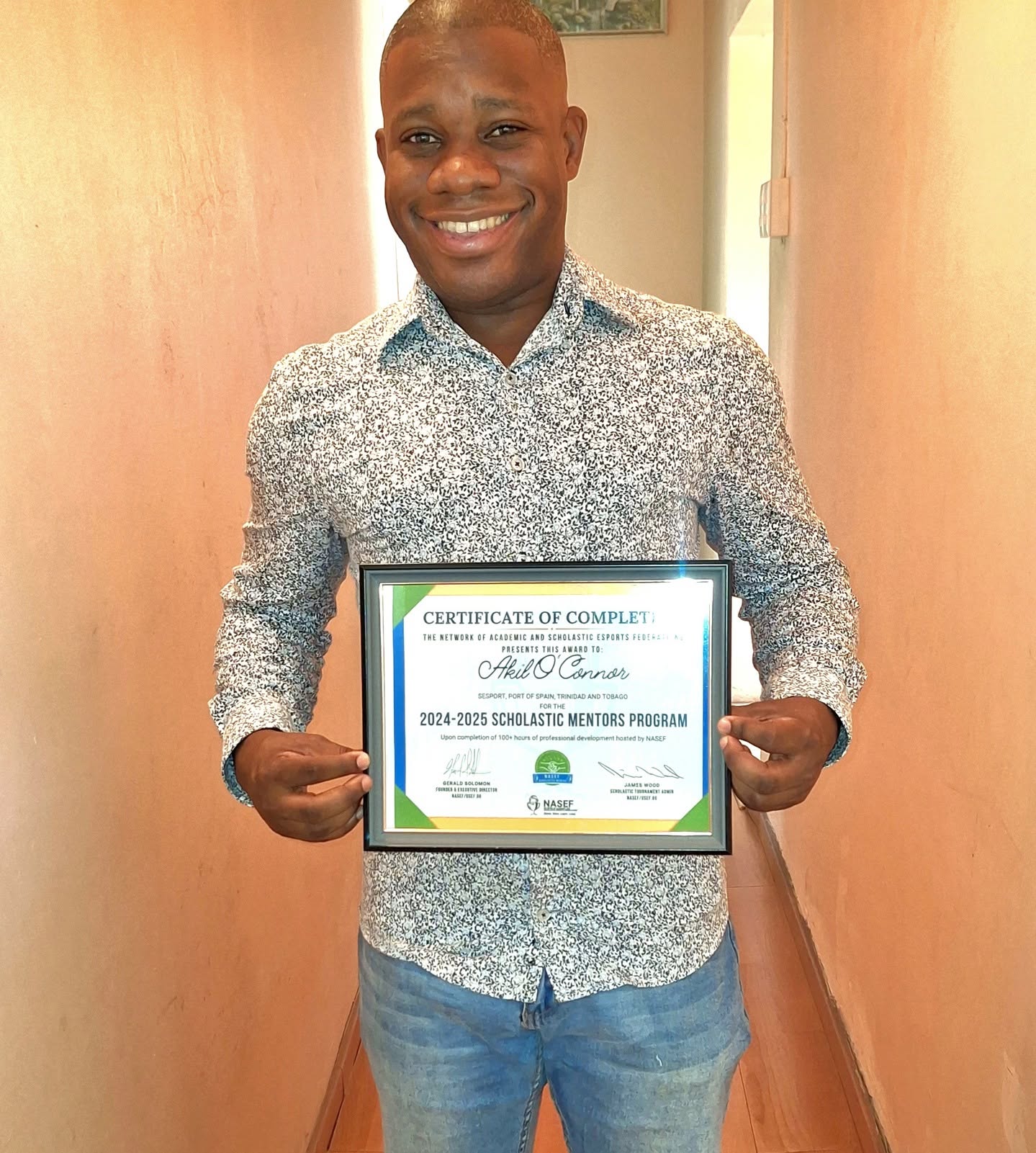
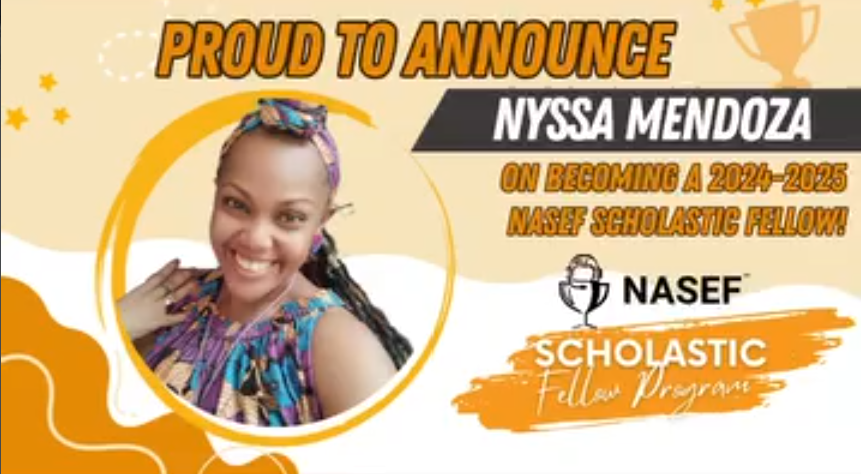
In 2024–2025, Akil returned to NASEF as a Scholastic Mentor while Nyssa Mendoza entered as a Scholastic Fellow. Their participation brought complementary Trinidad and Tobago perspectives to the same international community: Akil’s experience in education, programme development and scholastic esports alongside Nyssa’s counselling psychology expertise in family and youth development, well-being and healthy support systems.
Nyssa explored how psychology could strengthen young gamers’ experiences—connecting self-awareness, motivation and empathy with communication, inclusion and problem-solving, while considering mental health, addiction risks and the guidance young people need from parents and educators.
Fellows were not assigned to individual Mentors; they reached out when support was needed. Akil reviewed project plans, offered feedback and connected Fellows with relevant resources. That assistance strengthened their work without claiming ownership of their ideas or accomplishments, so the people and projects supported remain private.
“Mentoring showed me that leadership was no longer only about building my own programmes; it was also about helping others trust and develop their ideas.”
TRINIDAD & TOBAGO · INTERNATIONAL RECOGNITION
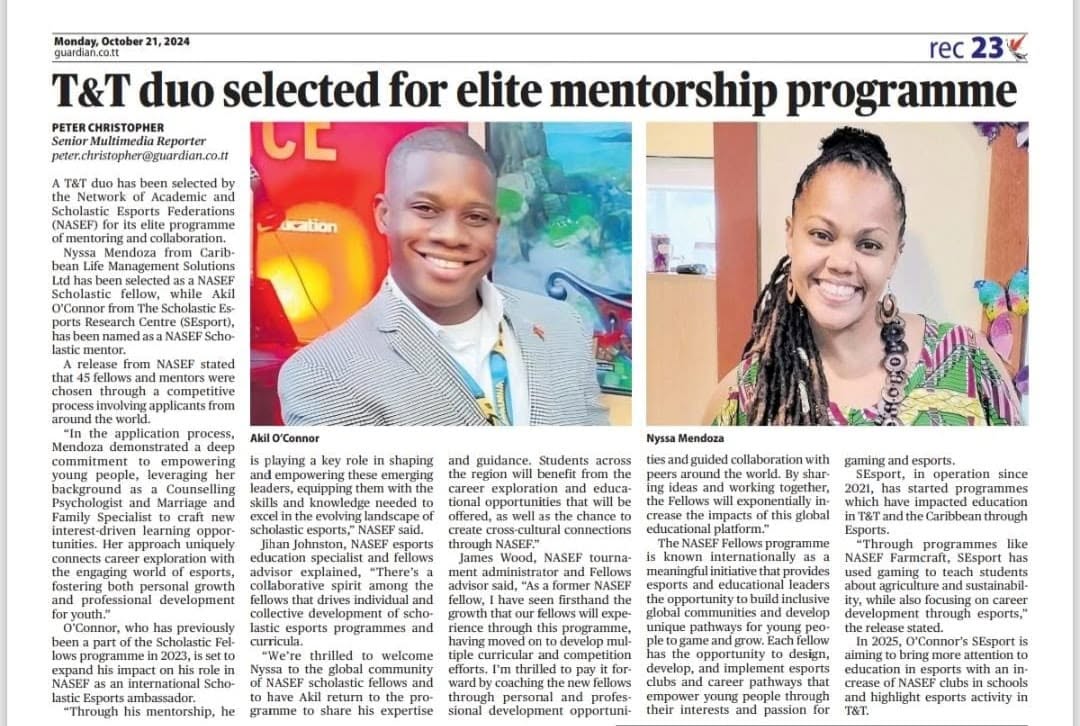
Recognition recorded at home.
The Trinidad and Tobago Guardian independently documented Akil’s return as Mentor and Nyssa Mendoza’s selection as Fellow.
THE PEOPLE BEHIND THE JOURNEY
NASEF leaders who helped shape the next stage.
Leadership is also shaped by the people who open doors, share knowledge and remain available. Throughout Akil’s development within NASEF, several leaders provided guidance, encouragement and opportunities that helped him grow from someone learning about scholastic esports into someone increasingly trusted to contribute to it.
GUIDANCE, ENCOURAGEMENT & IMPLEMENTATION
Gerald SolomonWelcomed Akil into the NASEF community and provided guidance as his involvement expanded from affiliate leadership into international programmes.
Claire LaBeauxBrought an infectious optimism and belief in what was possible, encouraging Akil to approach new opportunities with greater confidence, energy and purpose.
Kevin BrownIntroduced Akil to NASEF’s scholastic framework and helped connect esports participation with its wider educational potential.
Carolyn Navarro & Ansley PartosaProvided programme resources, technical support and responsive assistance that helped turn ideas into implementation.
James WoodLed the Scholastic Mentor programme, providing practical guidance as Akil transitioned from Fellow to supporting the development of others.
THE EDUCATOR · PROGRAMMES IN PRACTICE
The next step was application: taking what had been learned internationally and testing what it could mean for students at home.
Could these ideas work inside Trinidad classrooms?
What followed was less about esports as a title or competition and more about evidence—students using technology to think, collaborate, solve problems and connect with people beyond their own classroom.
GIRLS WHO GAME · MELVILLE MEMORIAL ANGLICAN
The first international Girls Who Game club.
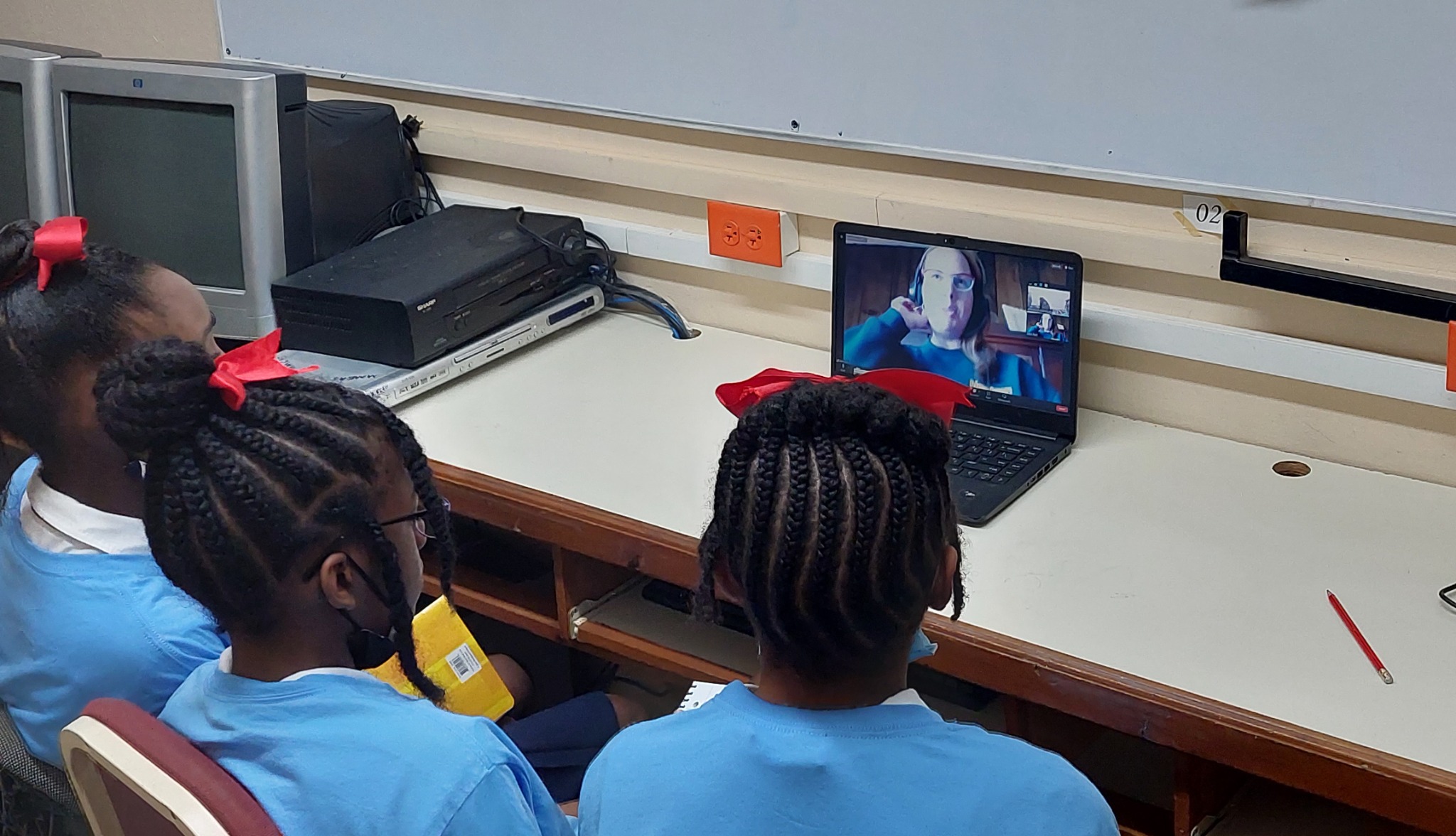
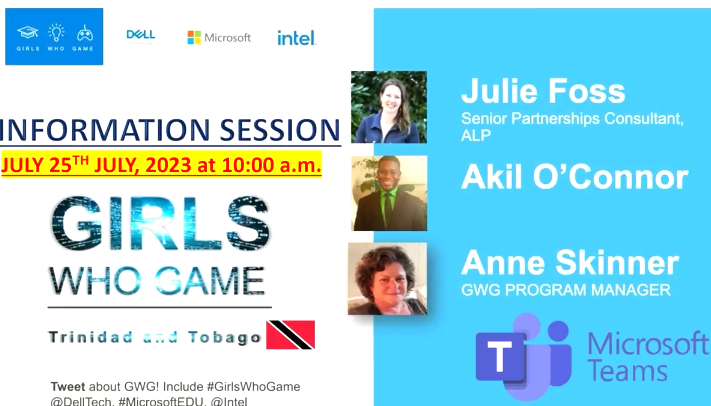
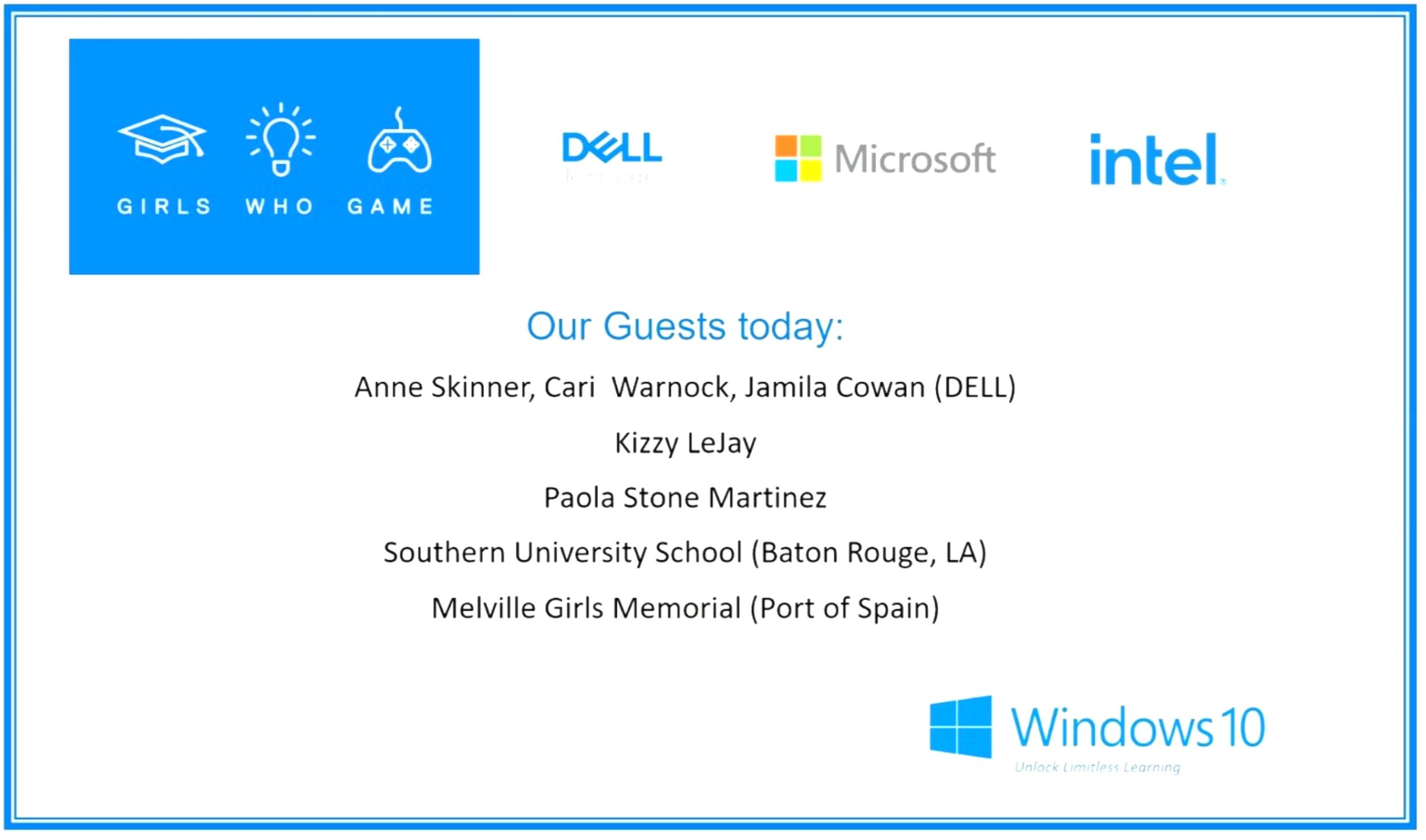
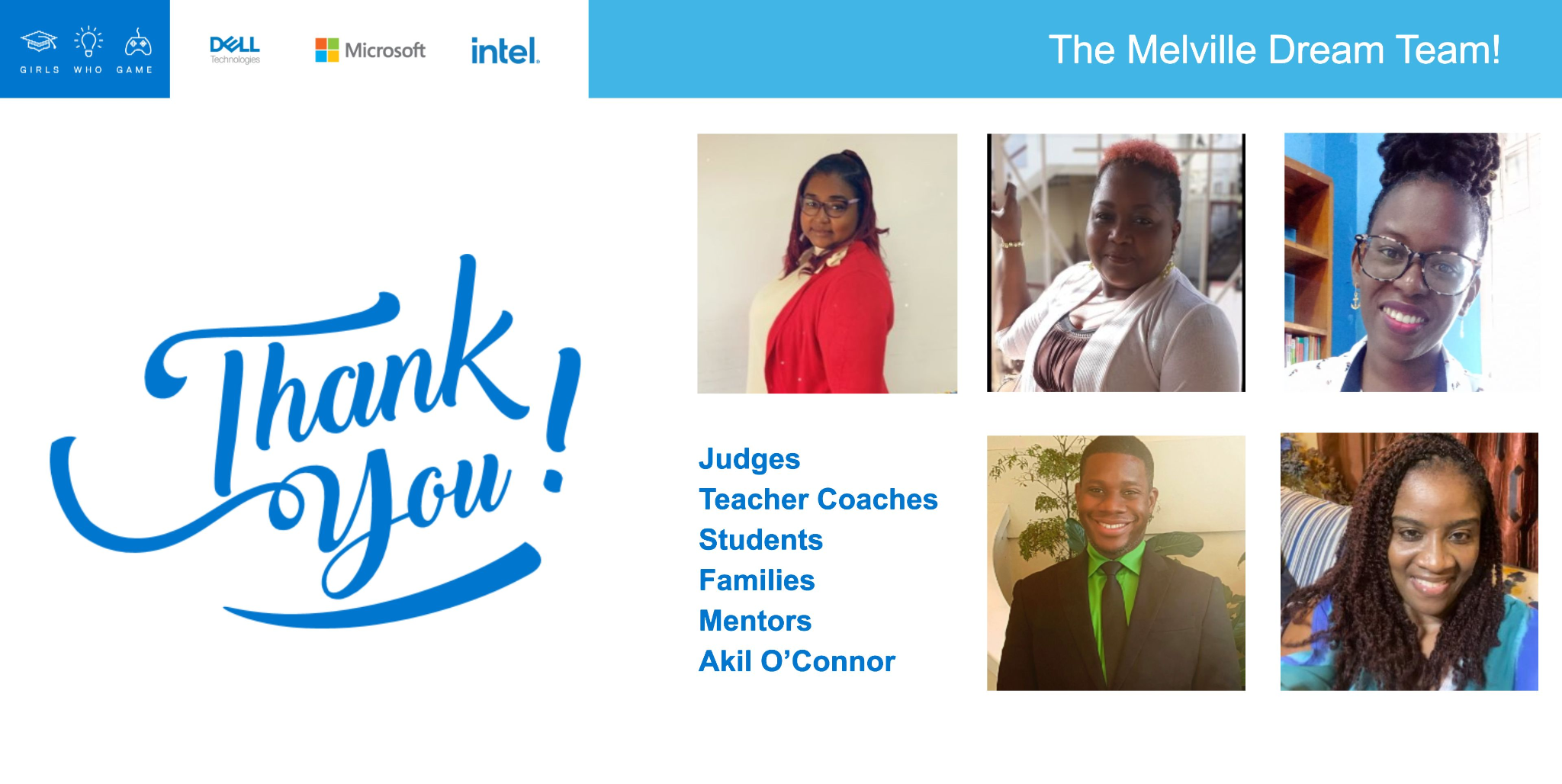
After learning about Girls Who Game, Akil approached Melville Memorial Anglican because he believed the programme could create meaningful opportunities for students in Trinidad and Tobago. He served as Teacher Champion and facilitator alongside Ms. De Coteau and Mrs. Small.
Approximately 12 girls from Standards 3–5 used the school’s computers and laptops, supported by Minecraft licences supplied through SEsport. Their work connected creativity and computational thinking with communication, collaboration and problem-solving as they developed ideas linked to the United Nations Sustainable Development Goals.
Virtual exchanges with schools in Louisiana and Toronto allowed the students to compare school infrastructure, academics, sports and culture. Melville Memorial became the first international Girls Who Game club—placing a Trinidad classroom inside a wider learning community.
“T&T can benefit from a programme such as this that makes our girls global digital citizens and digital cultural ambassadors.”
NASEF FARMCRAFT · 2023–2026
One programme. Three seasons of learning.
Farmcraft did not begin as a prediction of international success. It began as an experiment: could primary-school students learn to balance agriculture, climate, resources and decision-making inside Minecraft Education?
2023THE EXPERIMENT
St. Margaret’s Wolves begin.
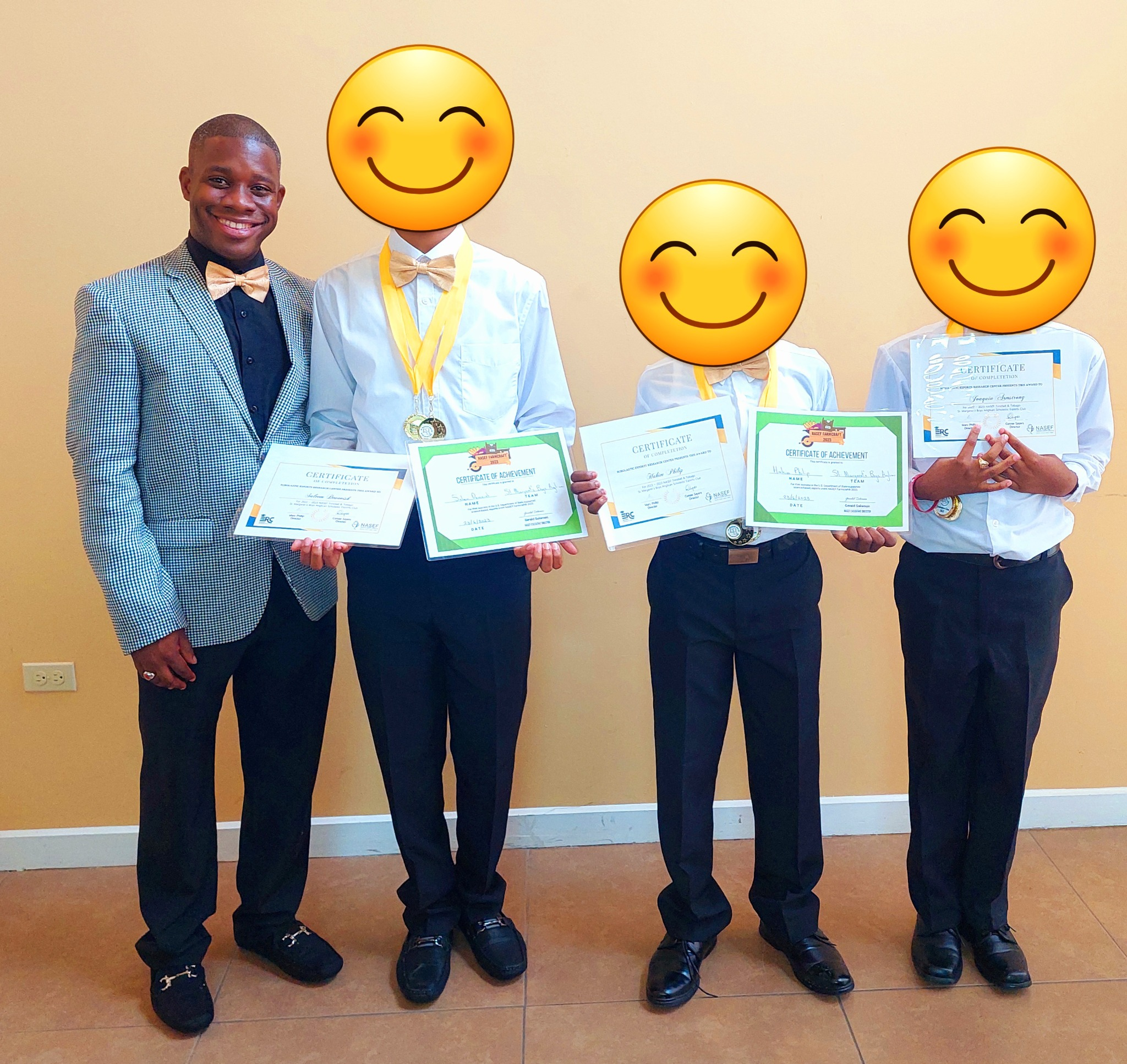
Standard 5 students Saleem Devenish and Hakim Philip participated in the learning activities, with one student completing the competition run. Akil taught the mechanics, helped interpret the challenge, facilitated strategy discussions and guided practice—but the decisions remained with the students.
“We were figuring this thing out as we went.”
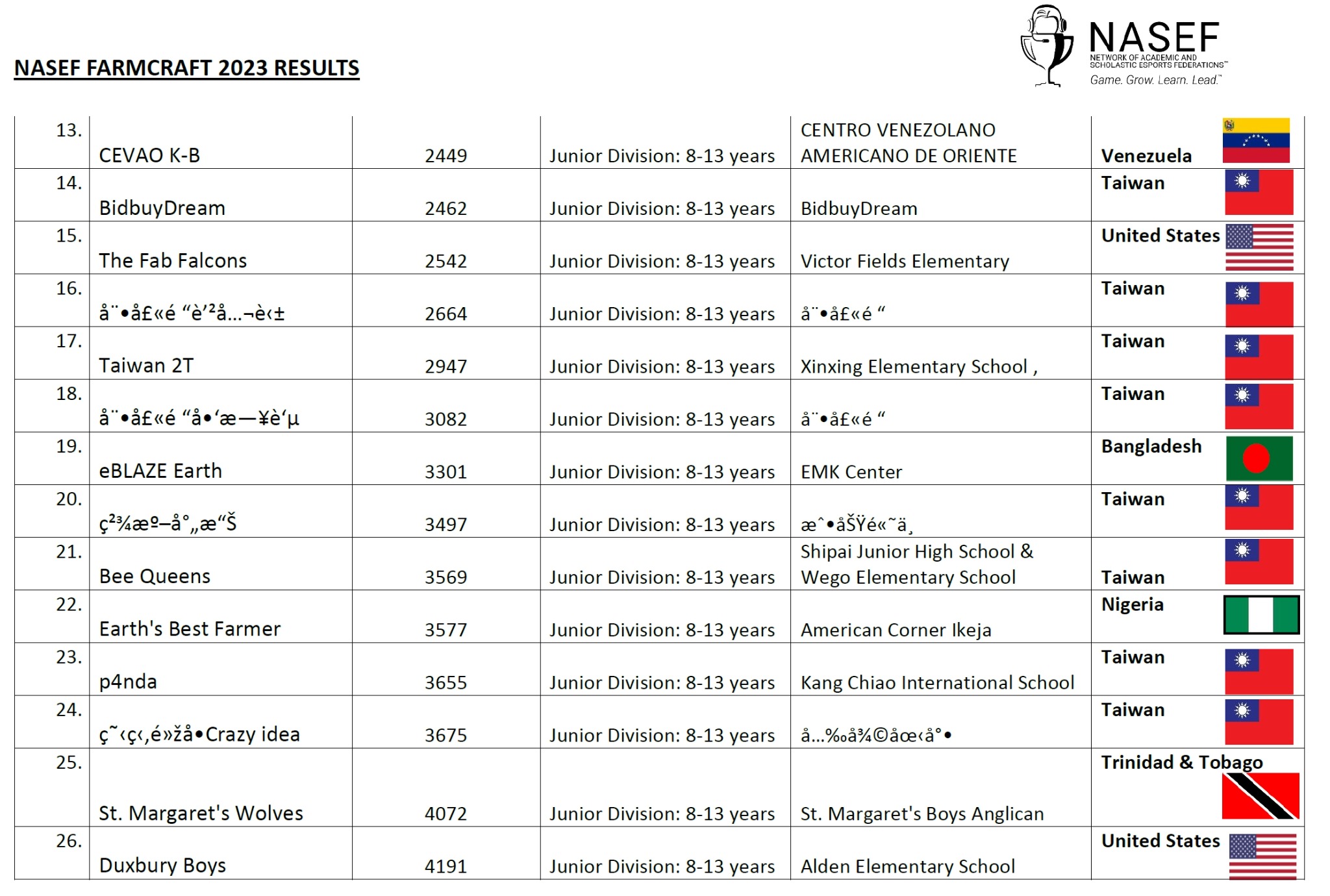
The team finished 25th globally. The result was announced at school, shared with parents and recognised by the principal. More importantly, it revealed that the programme had room to grow.
View the 2023 interview with Saleem ↗
2024CONTINUITY
Experience begins to travel.
Shay and Shadd Coggins joined from St. Margaret’s as first-time Farmcraft participants. Saleem, now at Queen’s Royal College, wanted to continue and competed individually as Queen’s Royal Alphas through SEsport and Akil’s mentorship; QRC was not yet formally participating as a school.
Everyone trained together. Coaching became more deliberate around strategy, balance, climate, resource management and defined roles. Trinidad and Tobago’s entries finished 68th and 77th among approximately 12,000 participants from 62 countries, while Saleem received Western-region recognition for one of the strongest submitted projects.
SEsport contacted QRC. The school recognised Saleem at a Form 1 assembly, presented his certificate and trophy, and invited Akil to speak about Farmcraft and scholastic esports.
Watch the NASEF Farmcraft stream ↗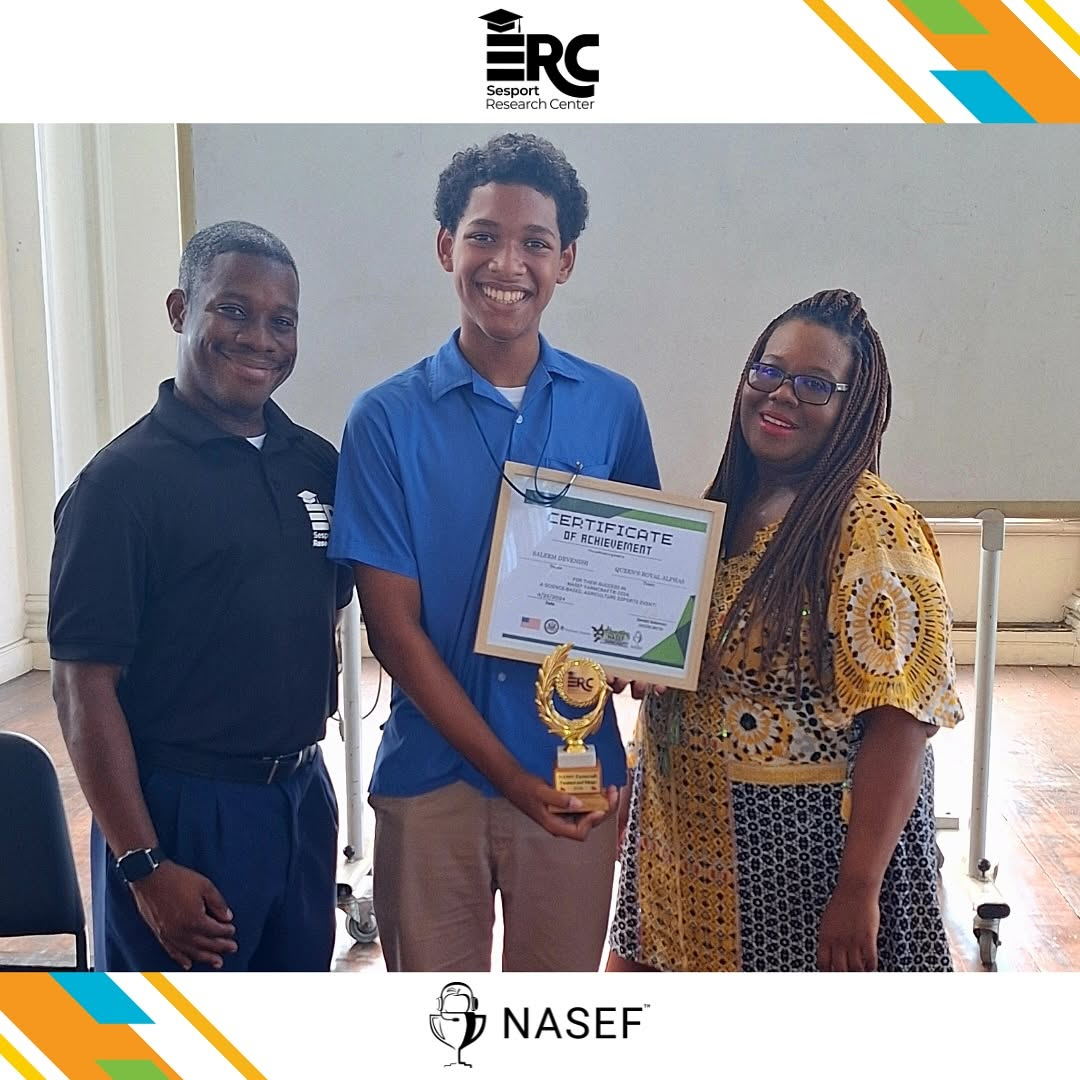
2025THE PAYOFF
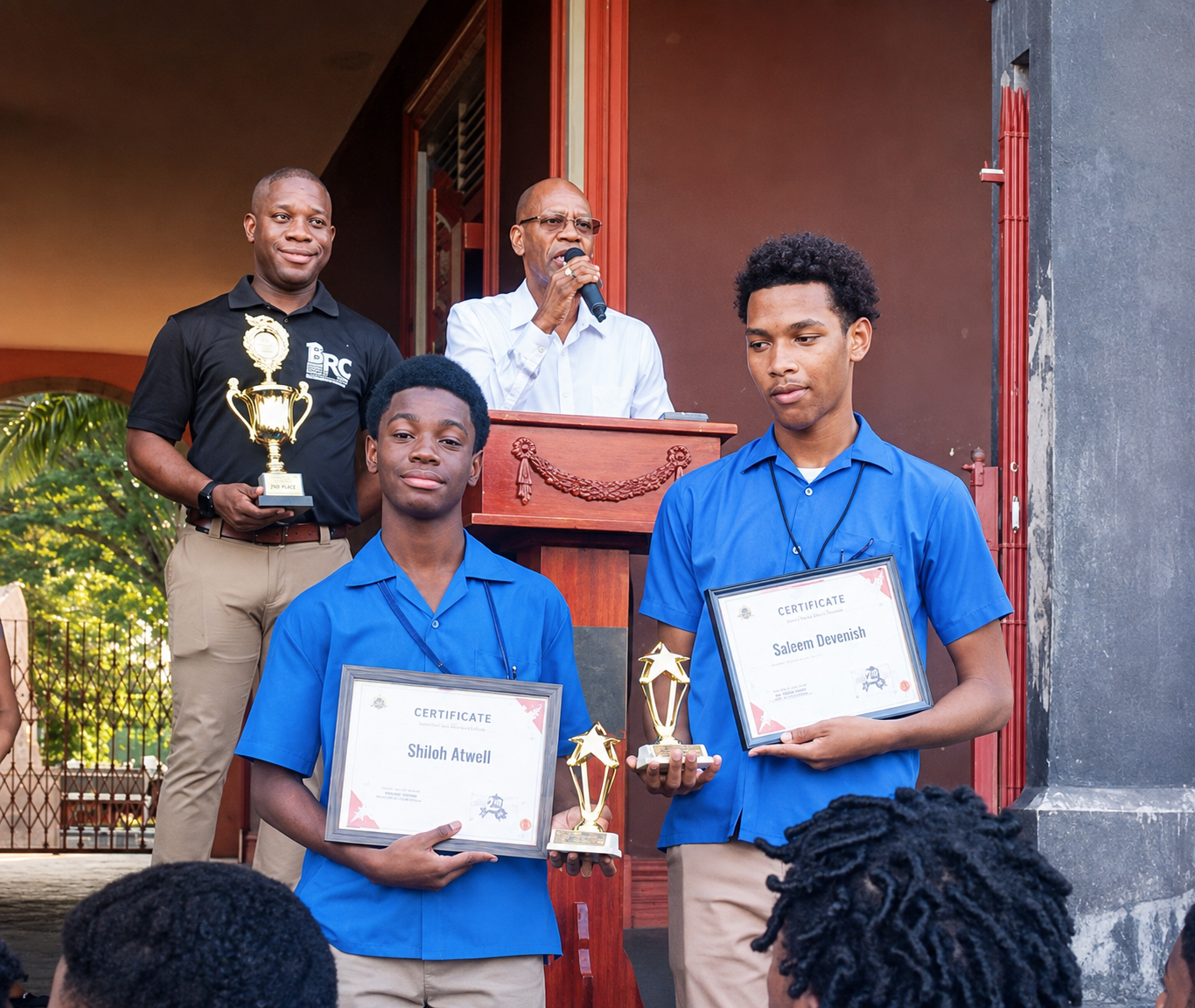
Queen’s Royal Alphas finish second in the world.
Saleem Devenish, now in Form 3, was joined by Form 2 student Shiloh Atwell, whose curiosity began after hearing Akil discuss Farmcraft. Saleem’s earlier experience naturally placed him in an informal leadership role; Shiloh learned quickly.
Preparation began in April with the Pre-Farmcraft Challenge. Working under the 2025 theme, “Land Demand,” the students researched Trinidad and Tobago environments and tested sustainable farm and forestry systems in Minecraft Education.
Both students participated in all three official runs. Akil coached physically alongside Shiloh and connected virtually with Saleem, reviewing play, questioning choices and helping them identify inefficiencies and opportunities. The students made the final decisions.
Akil believed they might finish around the Top 20. Scores were not immediately visible, and he did not know they had reached the podium. He was driving while listening to the results livestream when Trinidad and Tobago was announced in second place—the country’s highest Farmcraft placement to date.
“I genuinely believed we hadn’t placed in the top three. When I heard Trinidad was second, I had to pull aside. I couldn’t believe we had done that well.”
“I still can’t believe it.”
A NATIONAL FIRST
From local research to a global podium.
Competing against more than 25,000 students from 73 countries, Saleem and Shiloh earned Trinidad and Tobago’s highest Farmcraft placement. Their preparation connected local environmental research, agricultural decision-making and teamwork with an international Minecraft Education challenge.
STUDENT EVIDENCE
View Saleem’s 2025 entry ↗View Shiloh’s 2025 entry ↗WHEN THE STORY TRAVELLED · DECEMBER 2025
The students explained the achievement themselves.
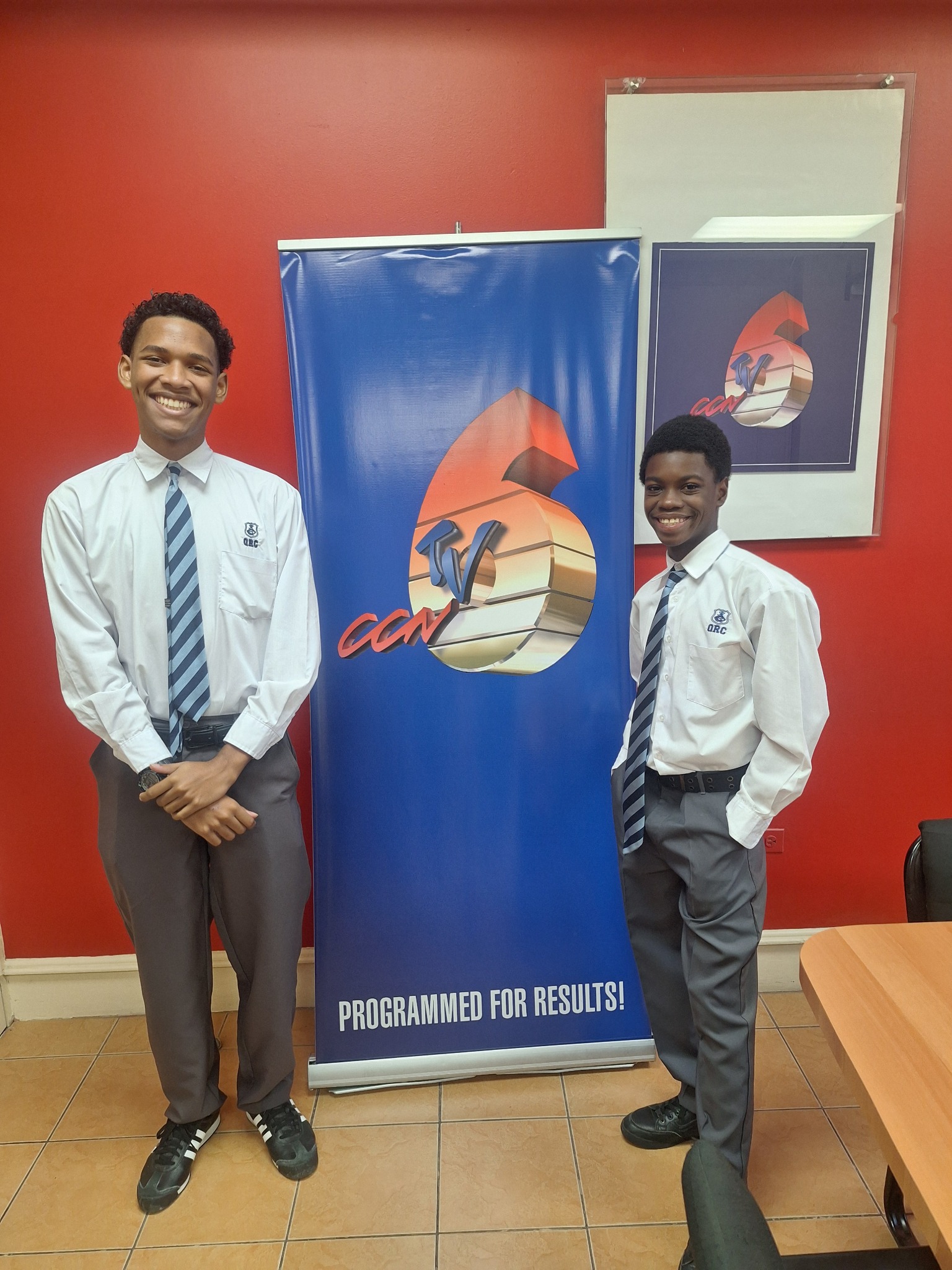
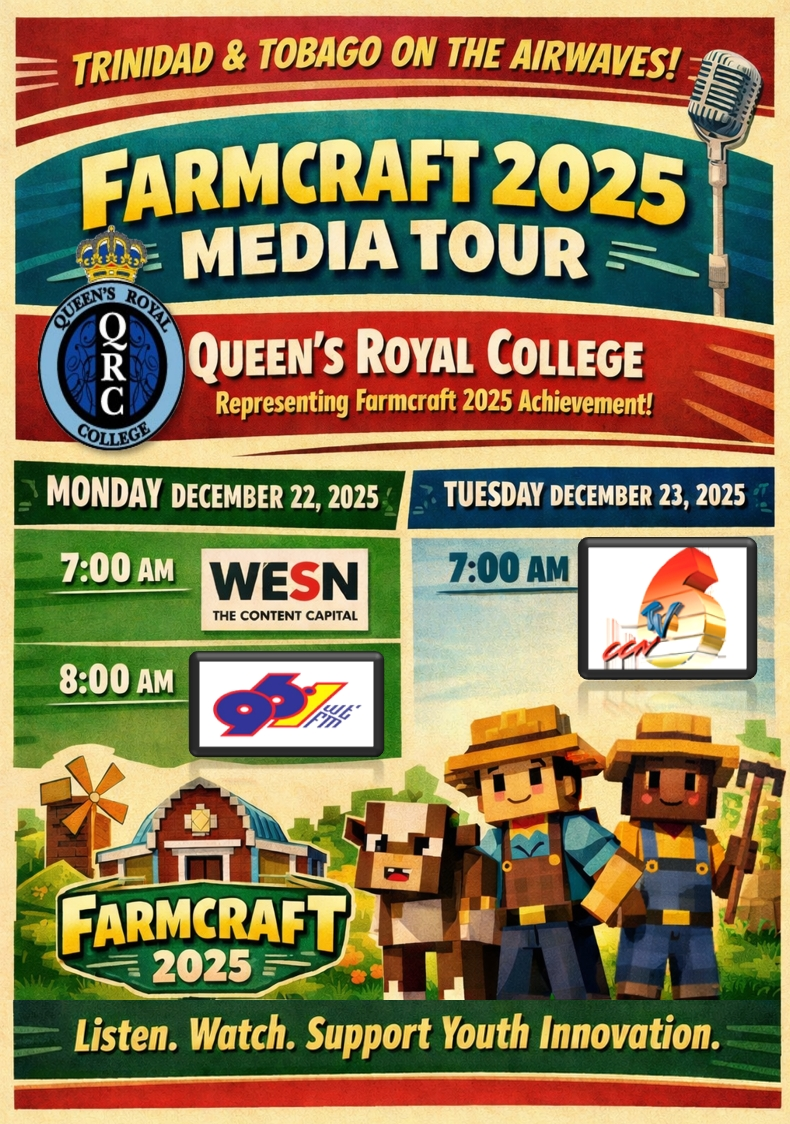
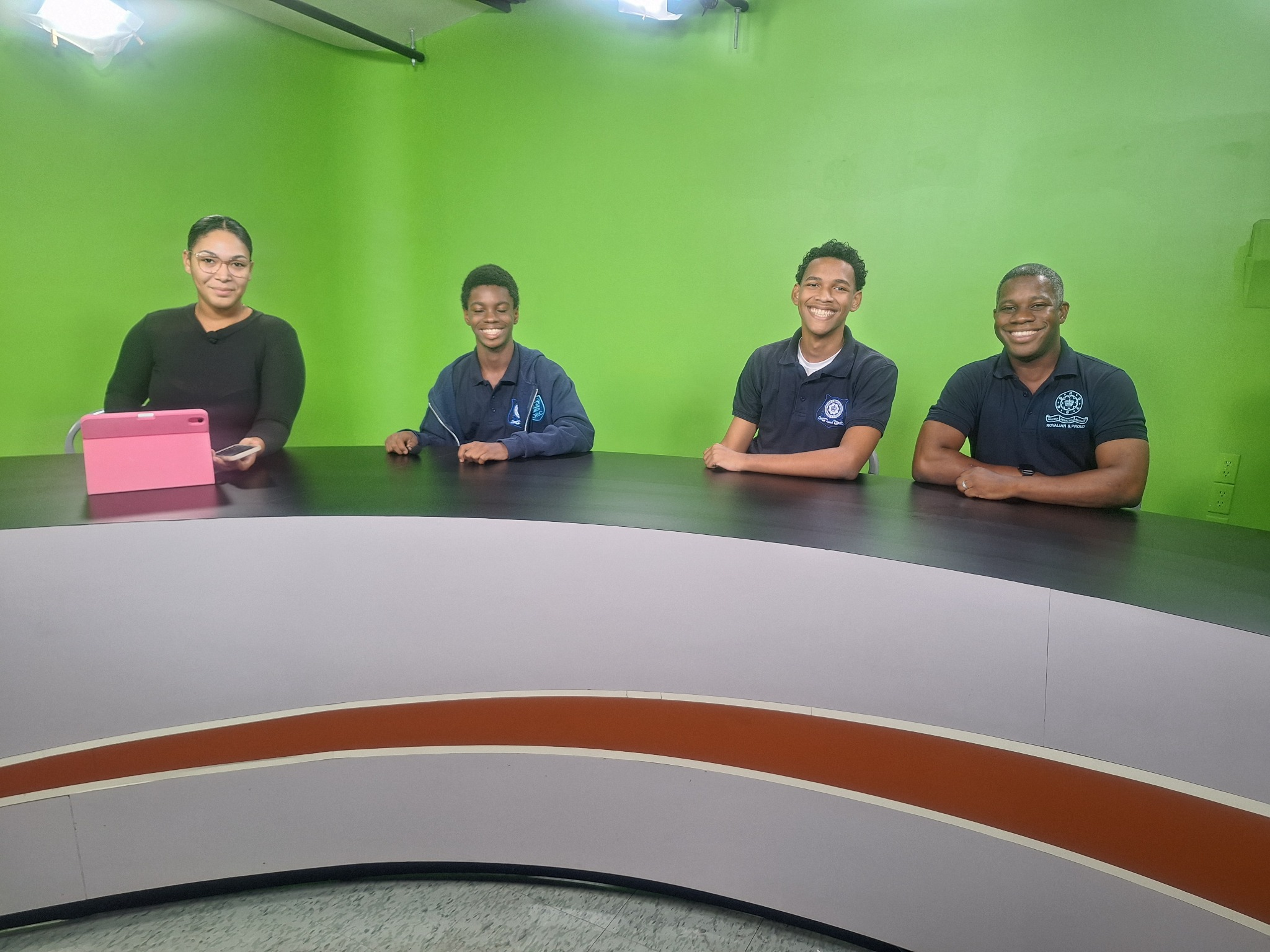
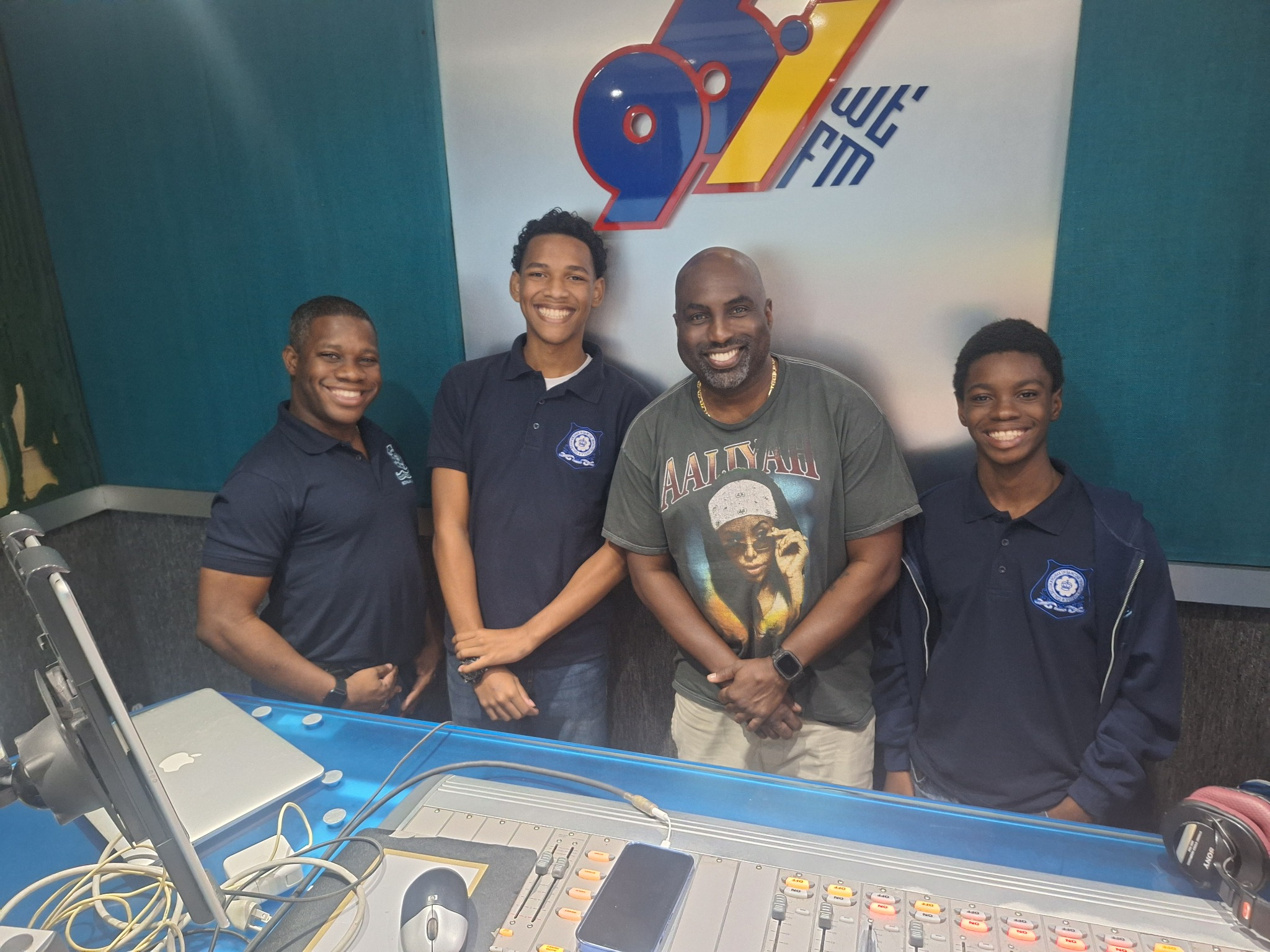
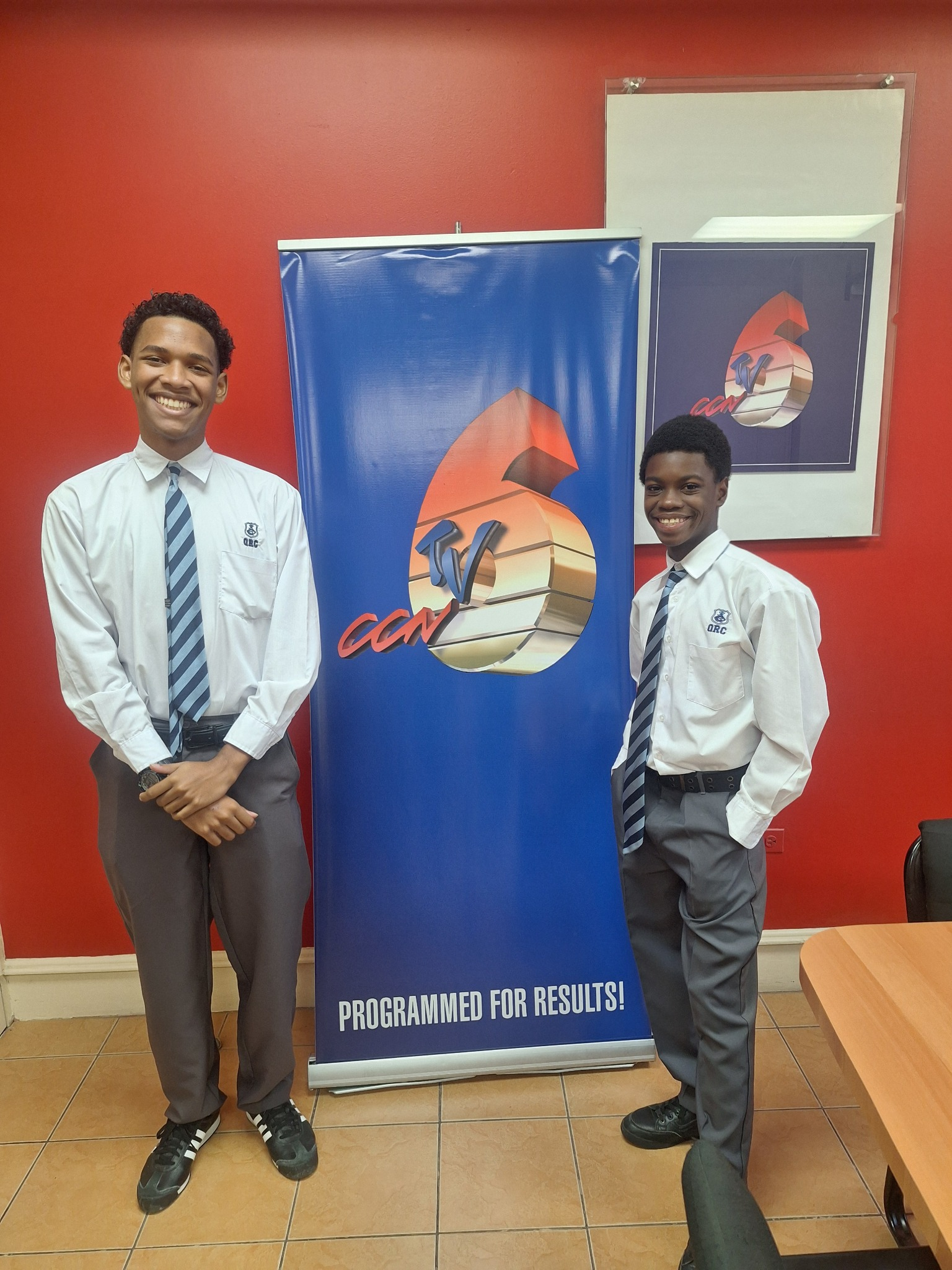
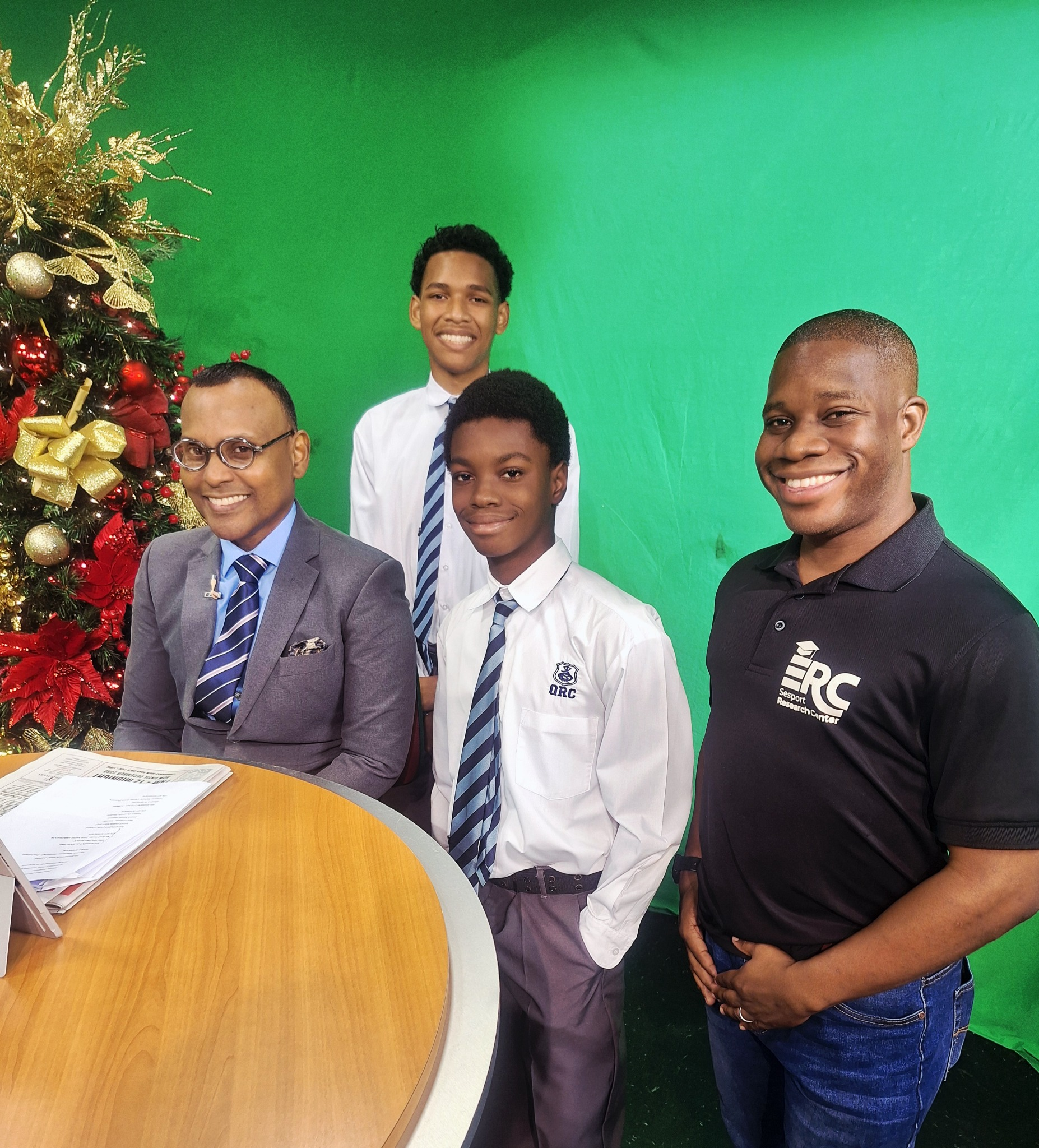
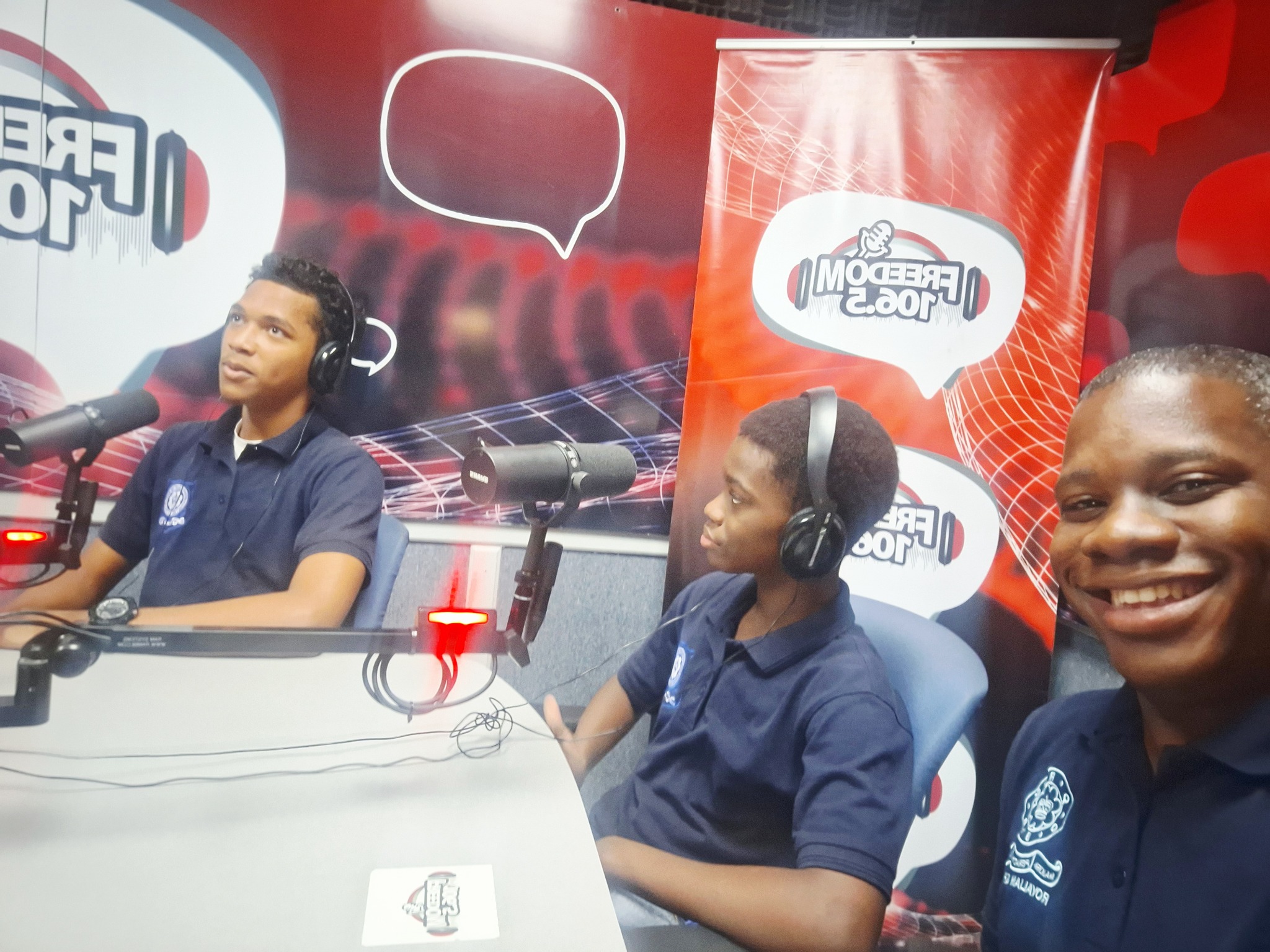
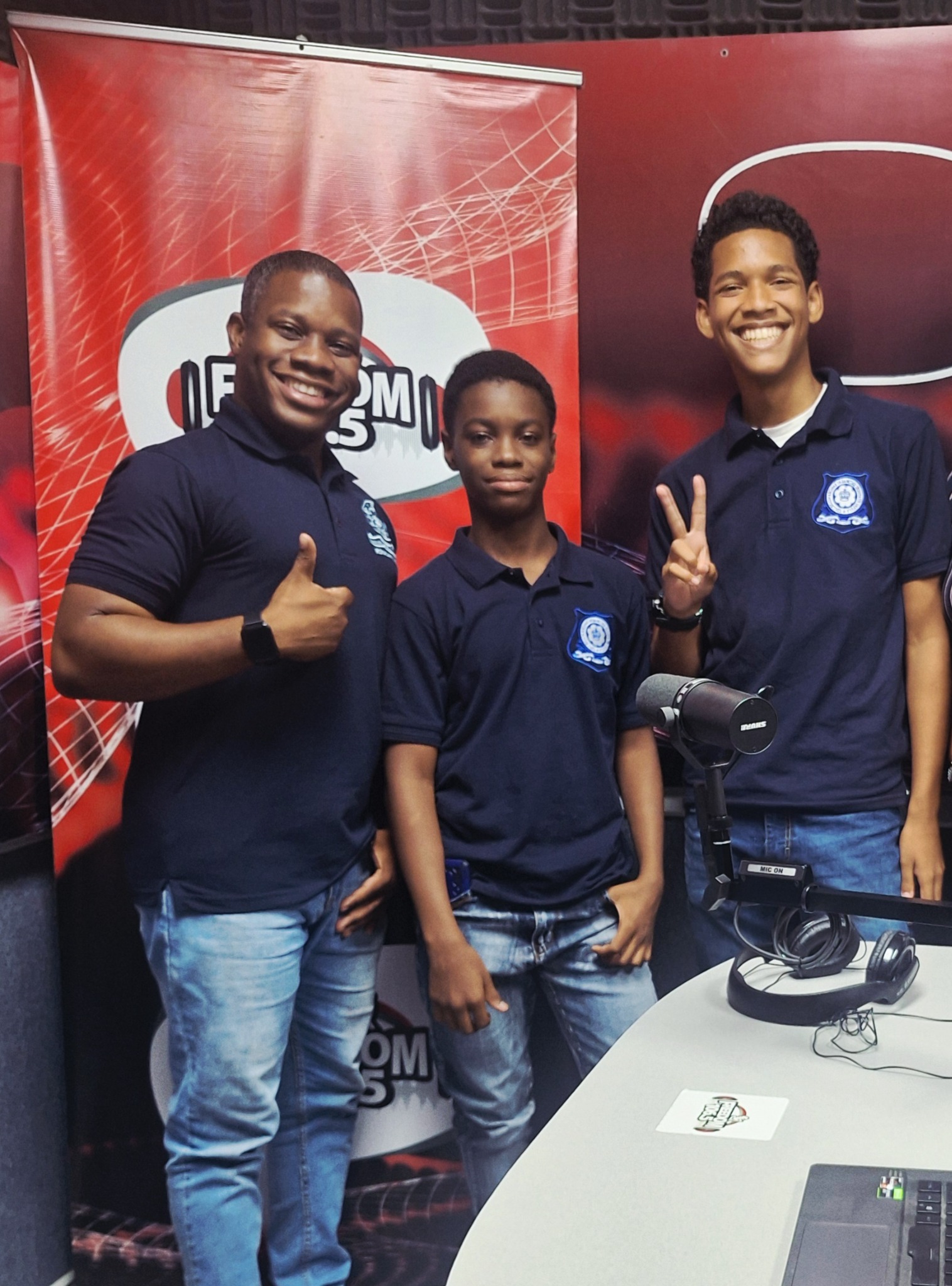
Across two consecutive days, WESN, OJO 96.1 FM and CCN TV6 invited Akil, Saleem and Shiloh to discuss the result. Akil explained the role of the adult facilitator and the programme’s educational purpose; the boys described what it felt like to learn, compete and make decisions together.
The media run mattered because national attention gave the students their own platform—not because it created three more appearances for Akil.
FARMCRAFT SPOTLIGHT · 2026
Trinidad’s experience returns to the international platform.
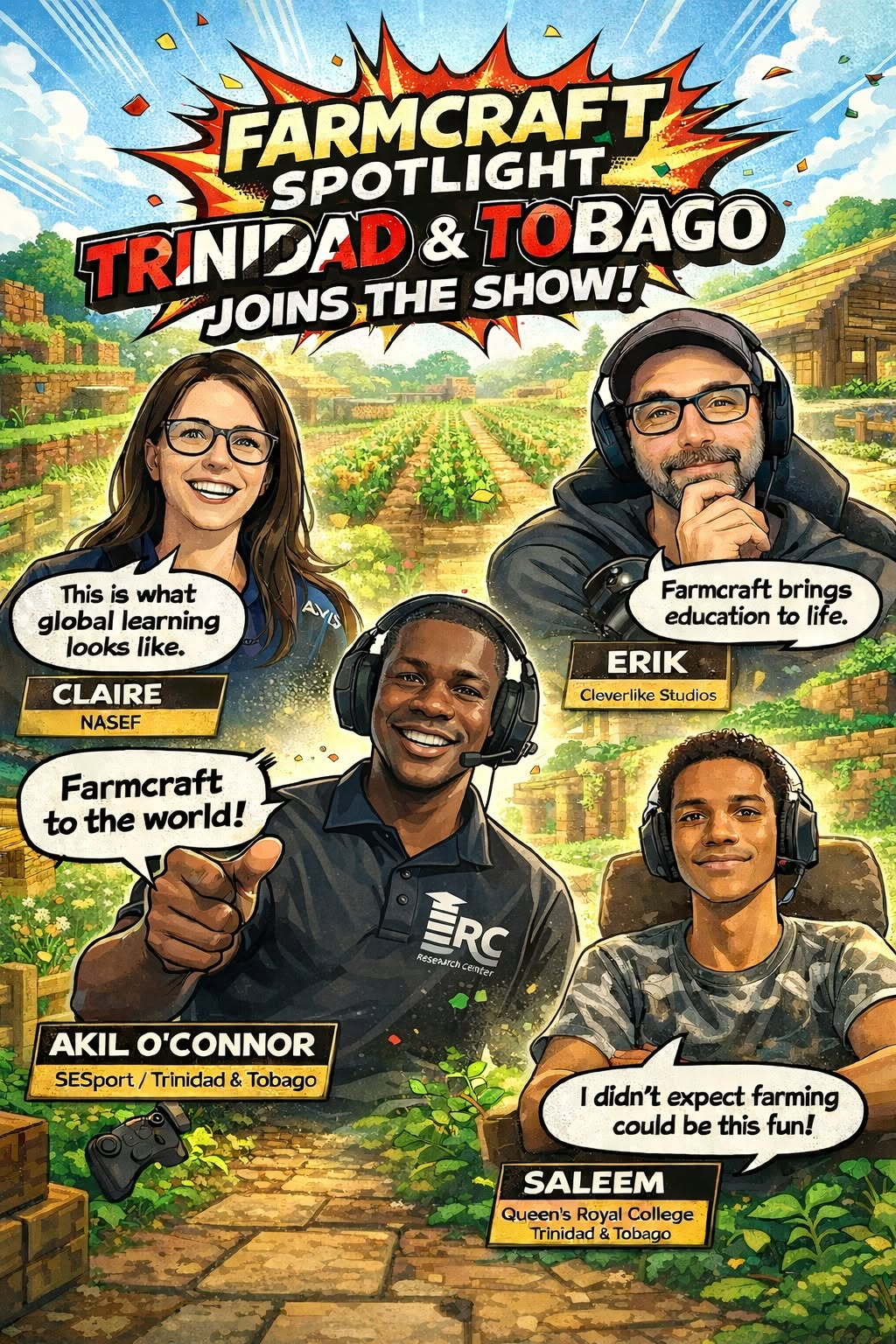
In an official NASEF and Cleverlike livestream, Claire LaBeaux and Erik Leitner interviewed Akil and Saleem for approximately 25 minutes. Akil spoke from the perspective of an adult facilitator; Saleem spoke as the student who had entered Farmcraft in Standard 5.
The circle was clear: a programme introduced through NASEF had developed into a Trinidad and Tobago story that could now contribute lessons back to the wider Farmcraft community.
“Trinidad & Tobago stepping onto the global stage.”Watch the Farmcraft Spotlight ↗
SPEAKING & MEDIA · THE VOICE DEVELOPS
From voice
to platform.
Speaking did not develop separately from the work. Each appearance reflected a different stage in what Akil understood, what audiences were ready to ask and whose experiences he could bring into the conversation.
2013
What is esports?
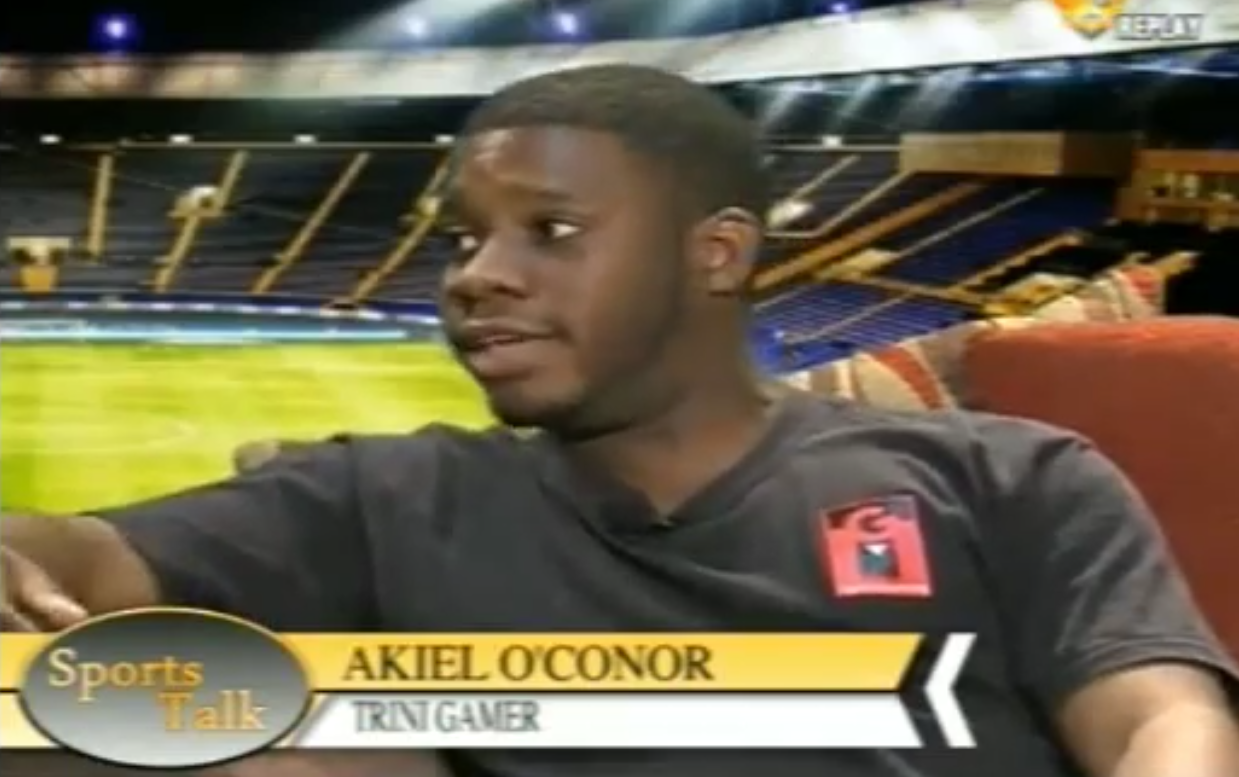
On Sports Talk, a nervous but excited Akil represented Trinigamers alongside Alpha Henry of Chrono Fantasy, introducing esports and its effect on Trinidad and Tobago’s gaming community.
2017
Could Trinidad develop international talent?
Invited personally to Good Morning T&T as a Paradigm founder, Akil spoke with greater confidence about national esports development and the possibility of producing international competitors.
2020
What had the community already built?
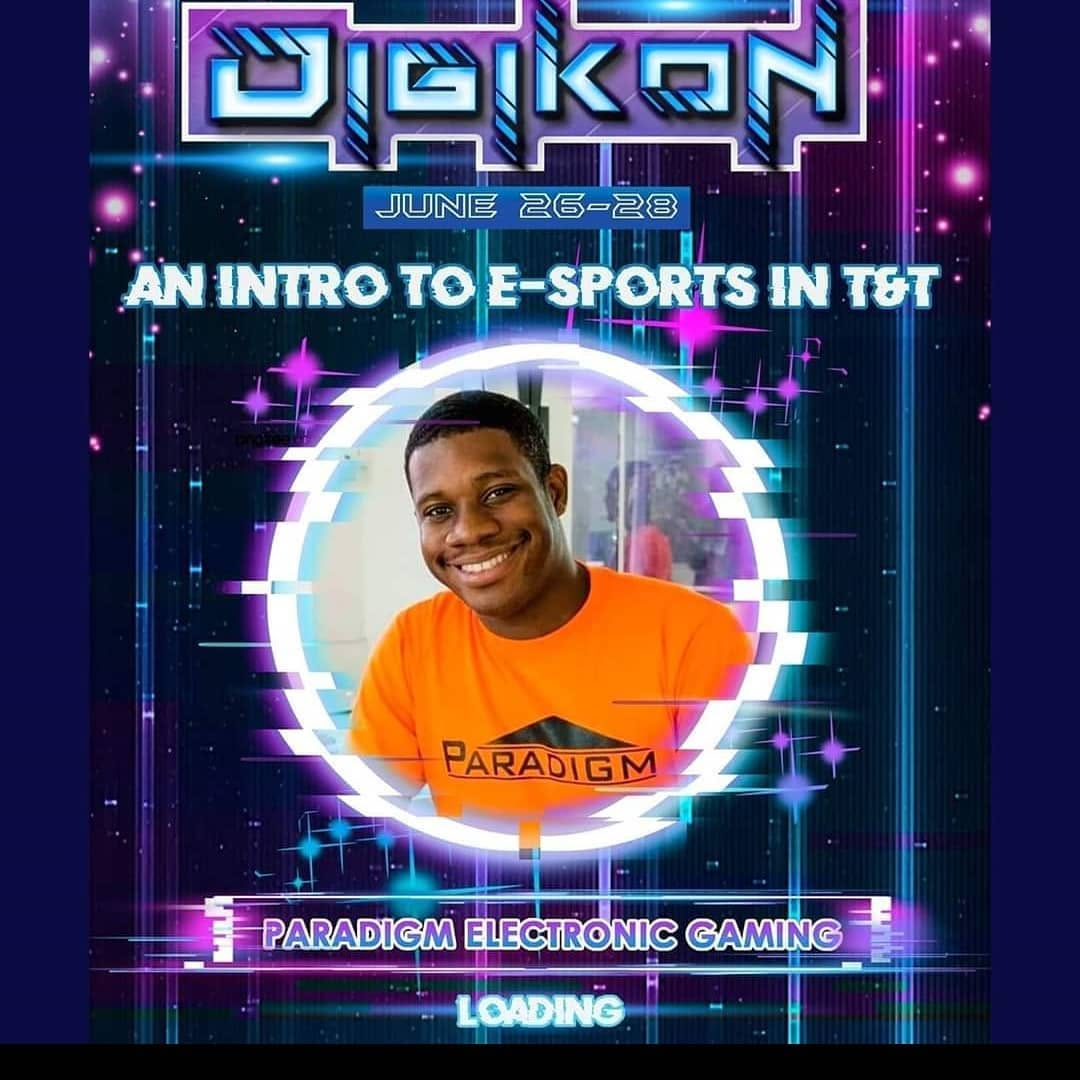
At Alias Entertainment Expo / Digikon, his one-hour solo presentation, “An Intro to E-Sports in T&T,” documented local history for established community members and newcomers. A separate Digital For Everyone conversation examined esports as a viable Caribbean business model.
CARIBBEAN GIRLS IN ICT · 2022
An invitation to extend the education conversation.
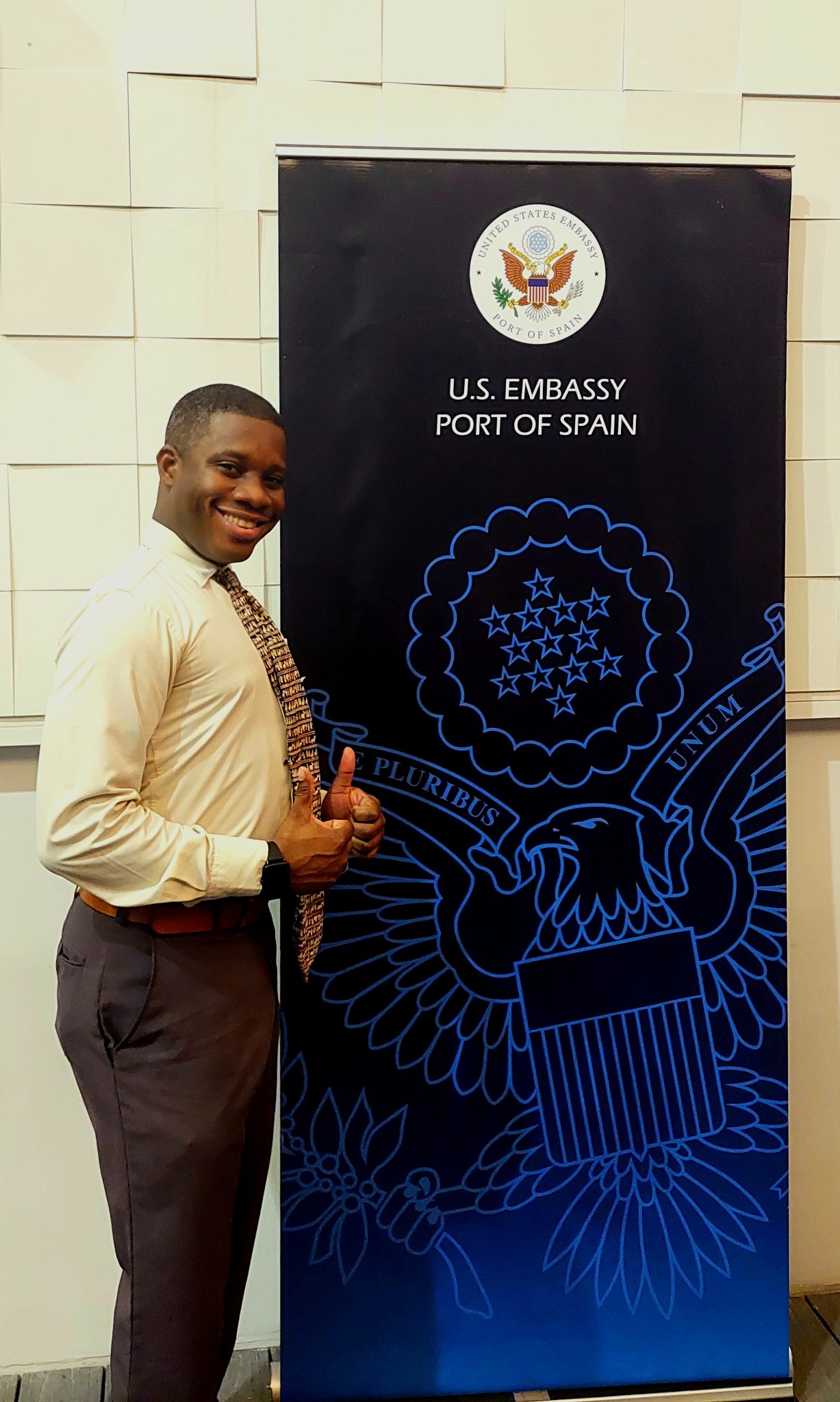
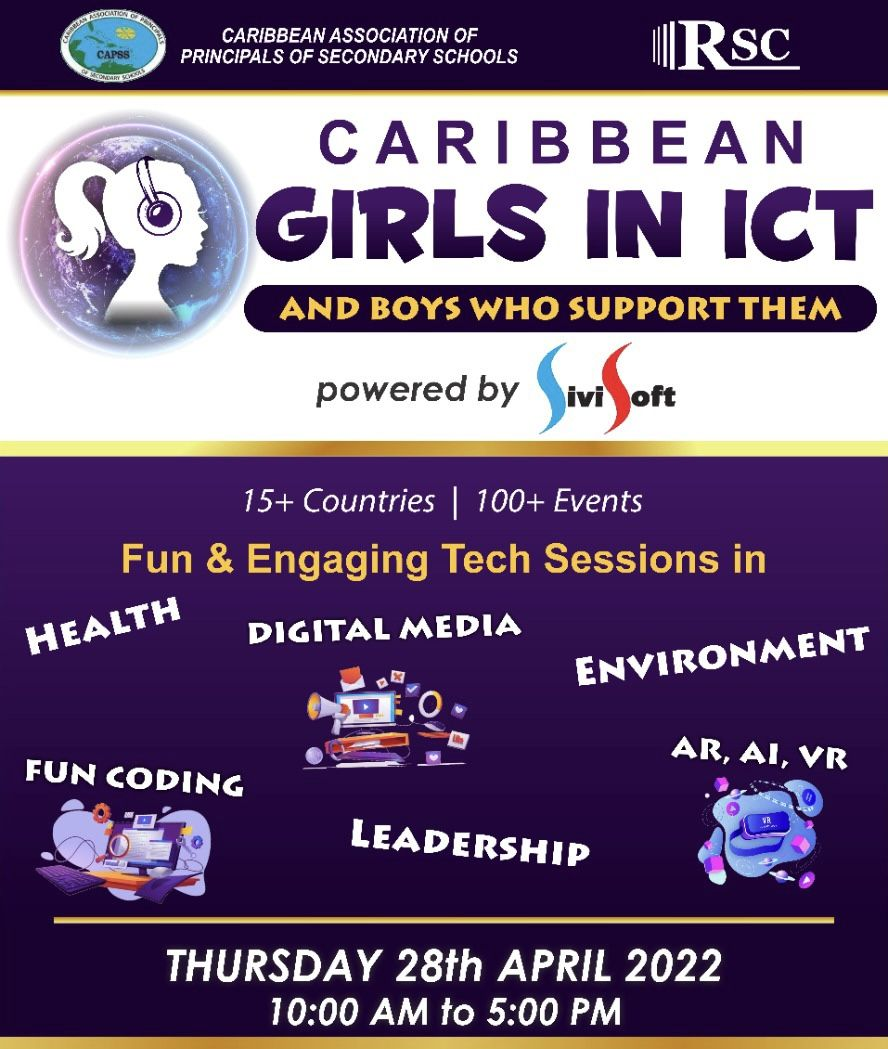
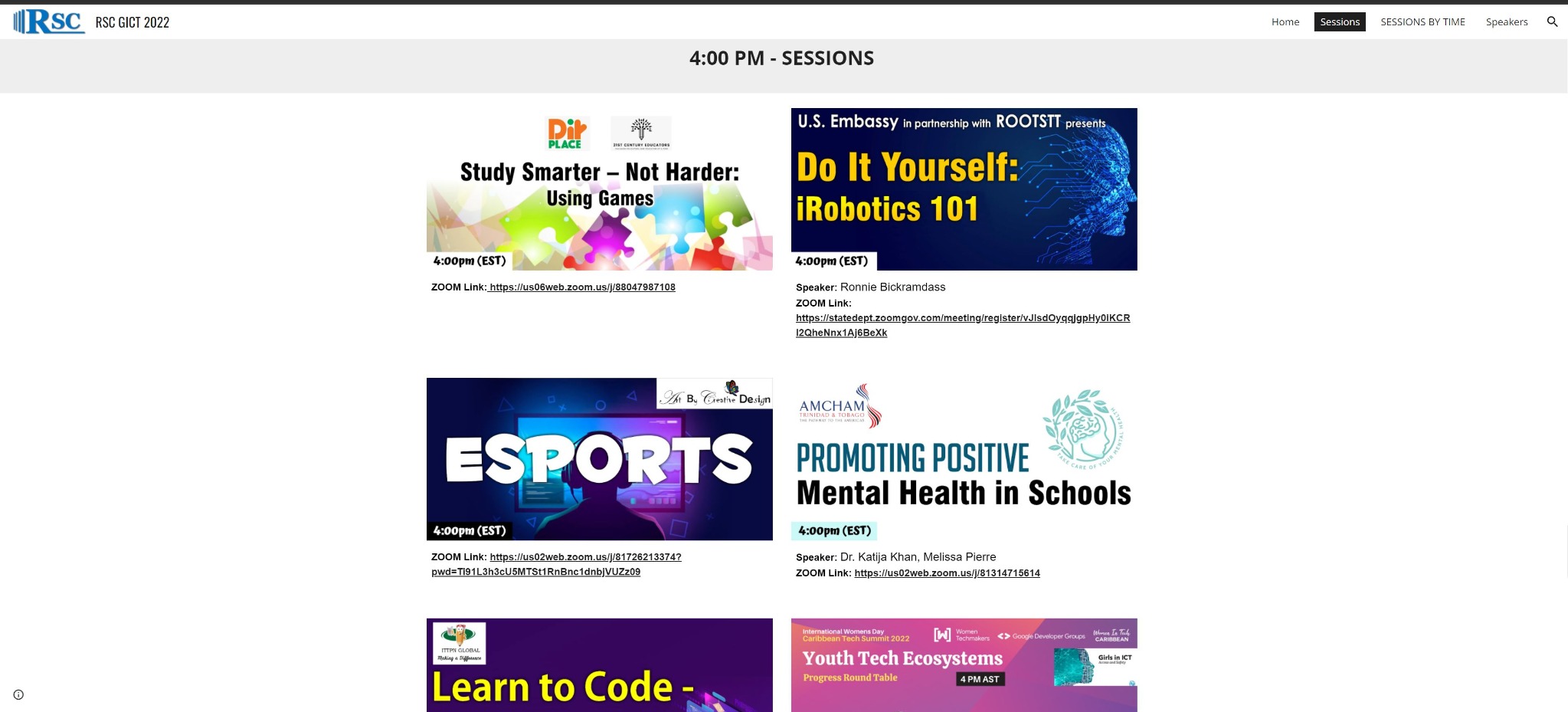
Following Akil’s work with the U.S. Embassy, Caribbean Girls in ICT invited him to lead a virtual session for secondary-school students and educators. Across approximately two hours, including an open Q&A, he introduced esports, careers, scholastic esports and gaming technology.
The Girls Who Game experience helped shape the discussion. The invitation reinforced that there was room to develop scholastic esports awareness within Trinidad and Tobago while contributing to a wider Caribbean technology and education programme.
THE GLOBAL CHAPTER
Trinidad and Tobago was no longer only learning. Its experience was beginning to contribute.
Akil submitted “Operating an Esports Club: A Trinidad/Caribbean Perspective.” Follow-up emails asking him to continue the conversation showed that the local experience had international value.
“That was when I realised Trinidad and Tobago was not only part of the conversation; our experience could help shape it.”
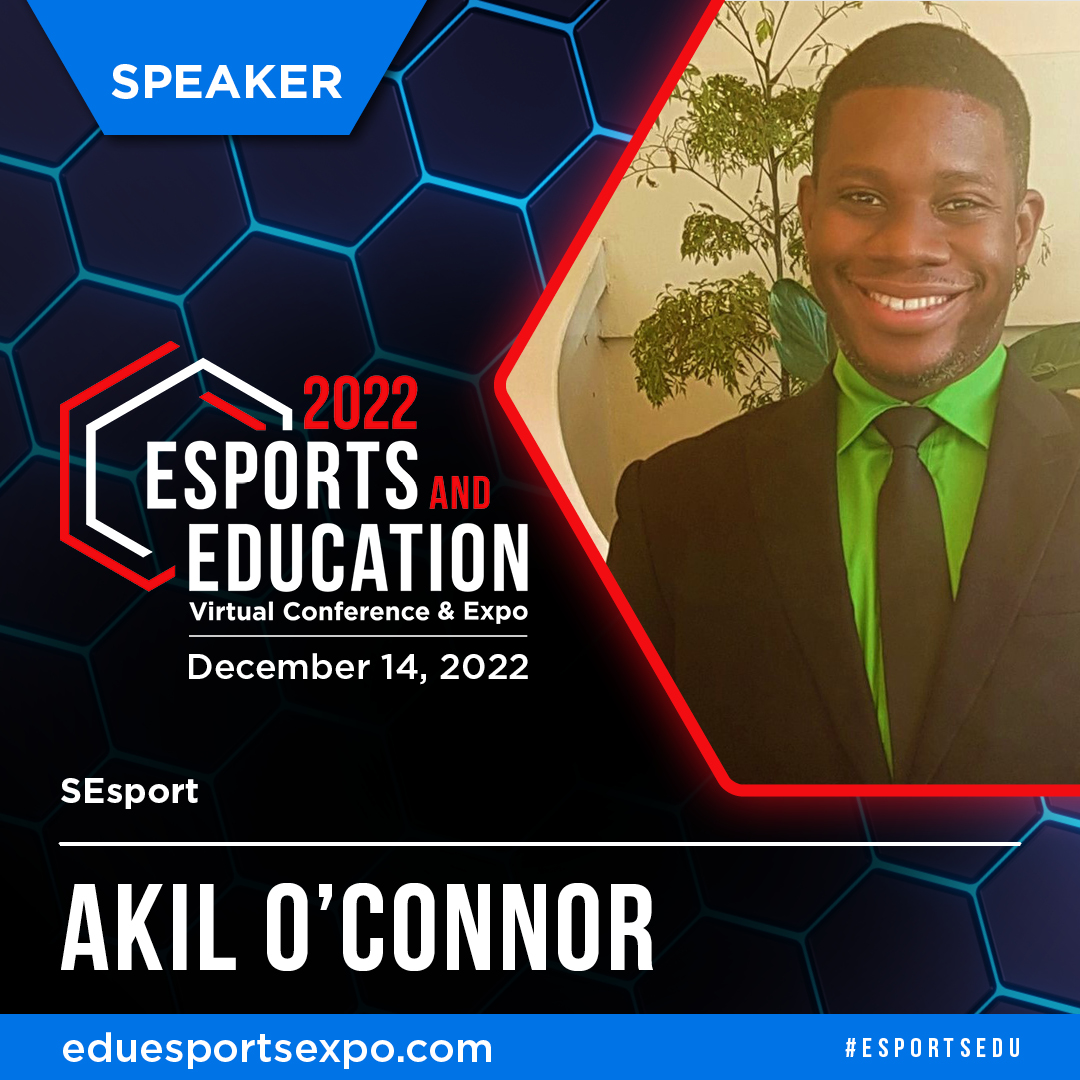
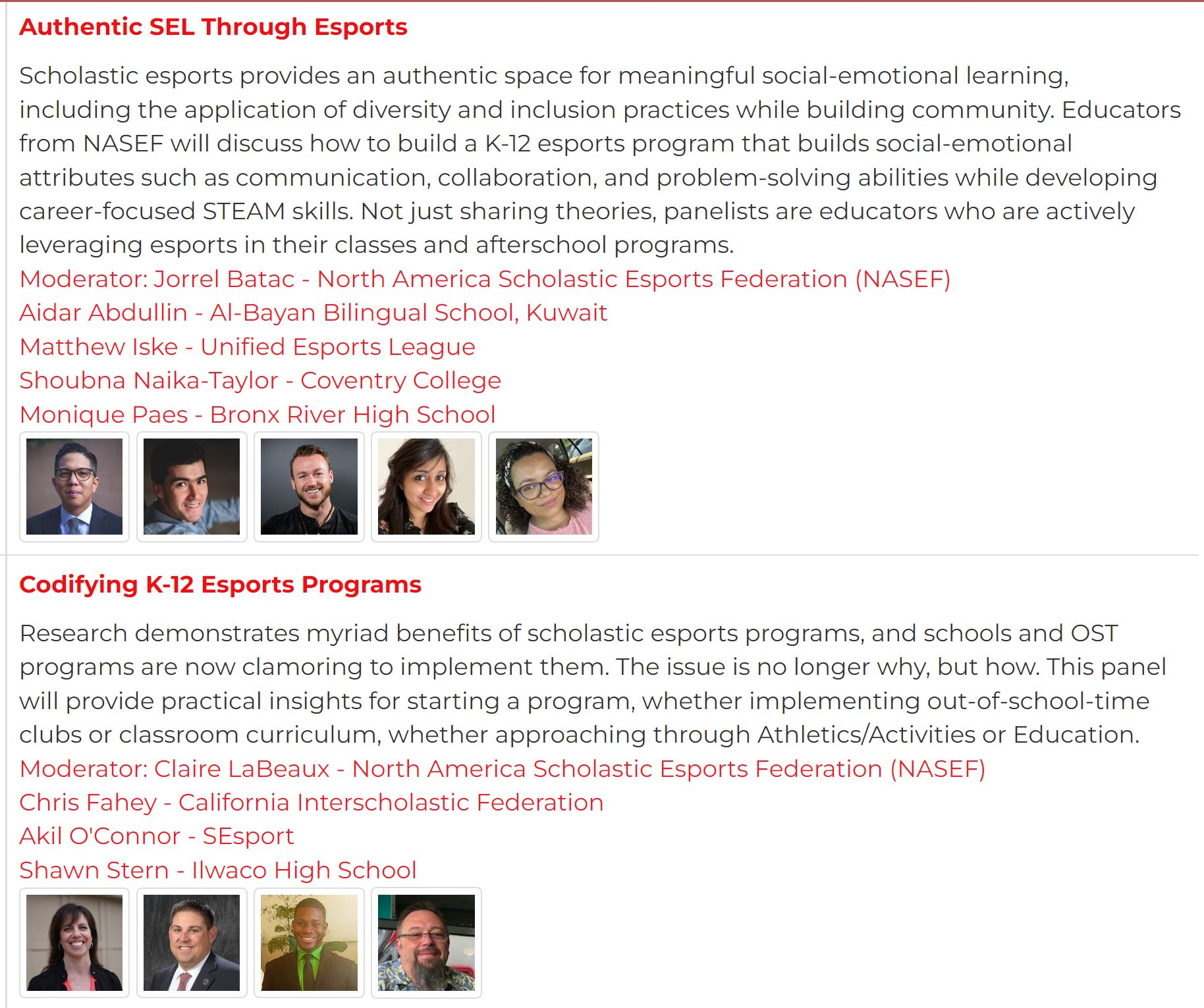
Invited by Claire LaBeaux and NASEF to the “Codifying K–12 Esports Programs” panel, Akil contributed junior-level successes, stakeholder feedback and a Caribbean perspective.
“Being invited into that discussion showed me that the Caribbean perspective was being heard—and that it had something practical to offer.”
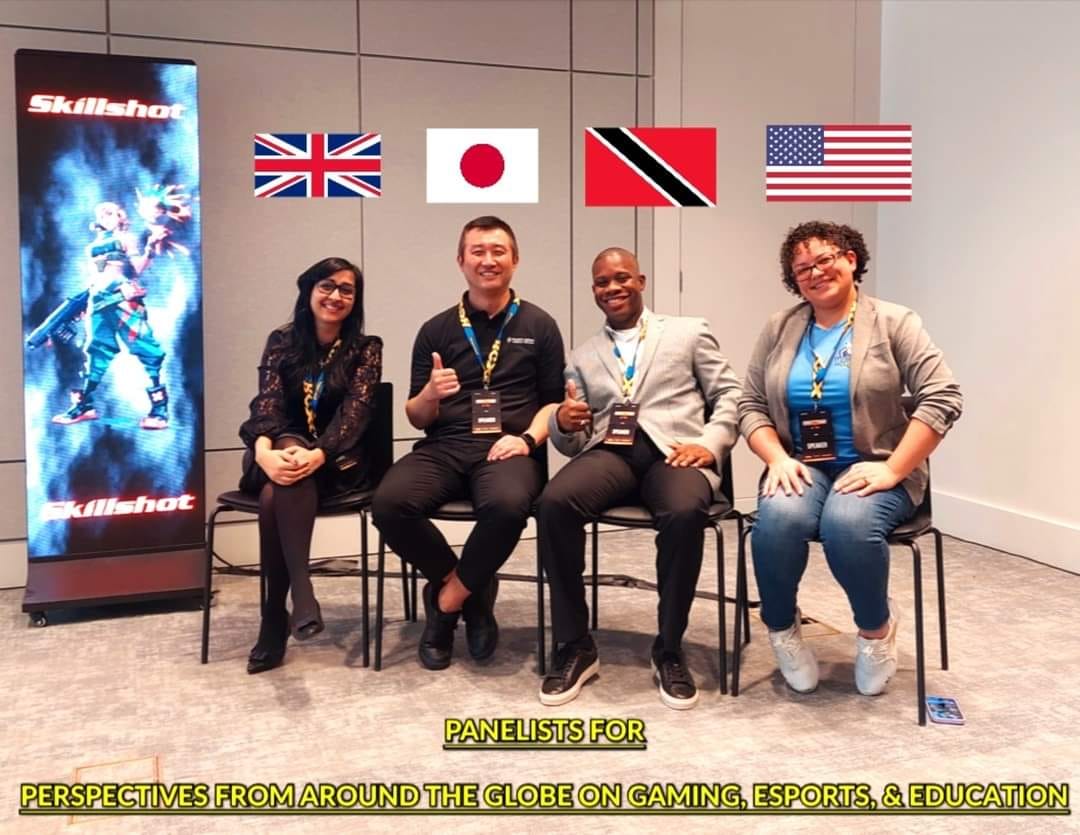
ATLANTA · ARRIVAL
Perspectives from around the globe.
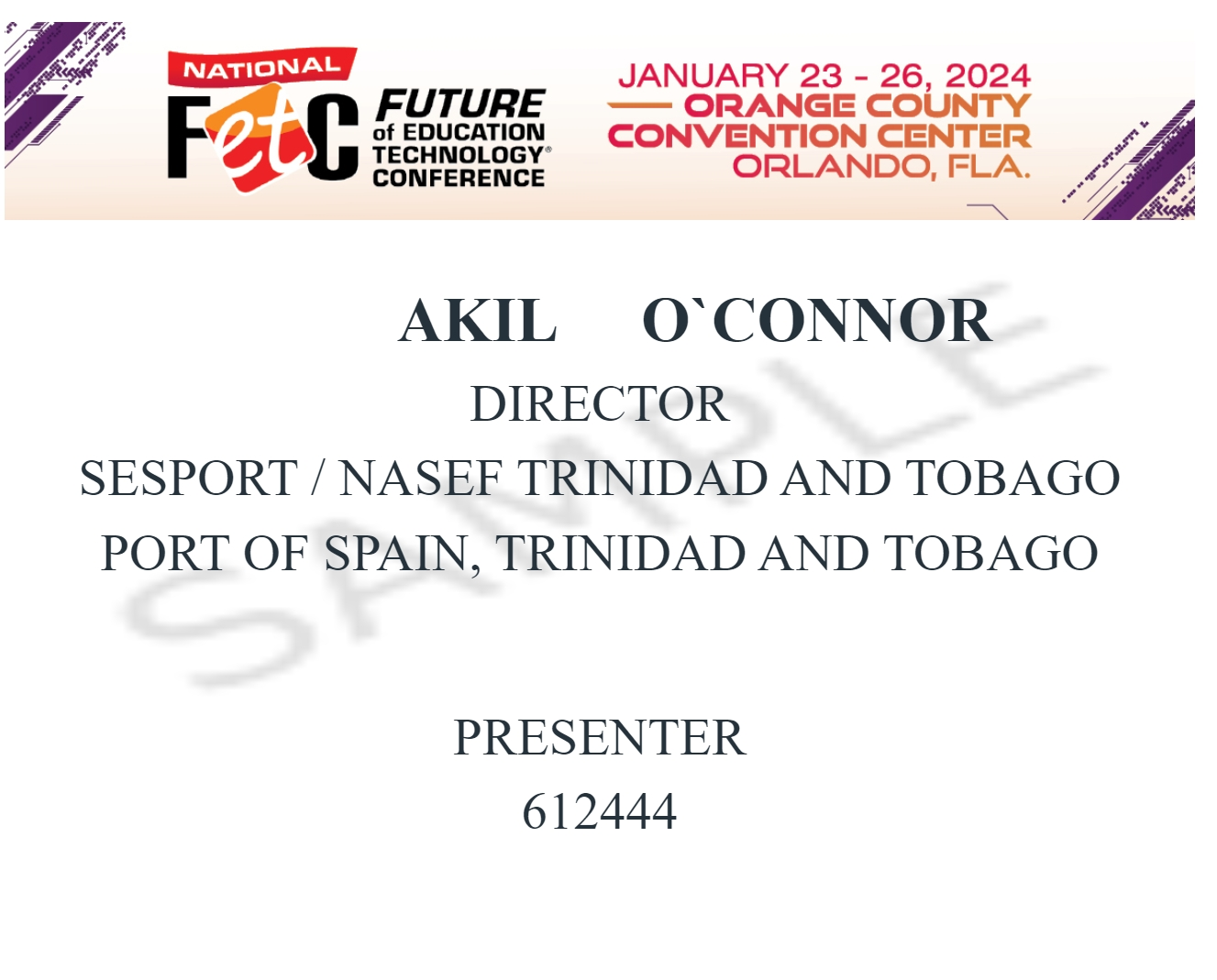
Recommended by NASEF, Akil joined the panel “Perspectives from Around the Globe on Gaming, Esports & Education,” representing SEsport and NASEF Trinidad and Tobago before an audience spanning industry, education, organisations and business.
He described a Caribbean ecosystem with less regulation, more grassroots organisation and considerable passion. St. Margaret’s, Girls Who Game and Farmcraft provided practical evidence—including Saleem’s ability to participate while preparing for examinations, challenging the assumption that gaming and academic development must automatically compete.
“The international stage validated that Trinidad’s experience belonged in wider conversations.”
FETC · 2024 · VIRTUAL
Continuation.
In “Esports Around the World,” Akil discussed the Caribbean realities of limited funding and equipment, internet infrastructure, cultural perceptions and limited formal school systems—alongside adaptable educators, enthusiastic students and strong communities.
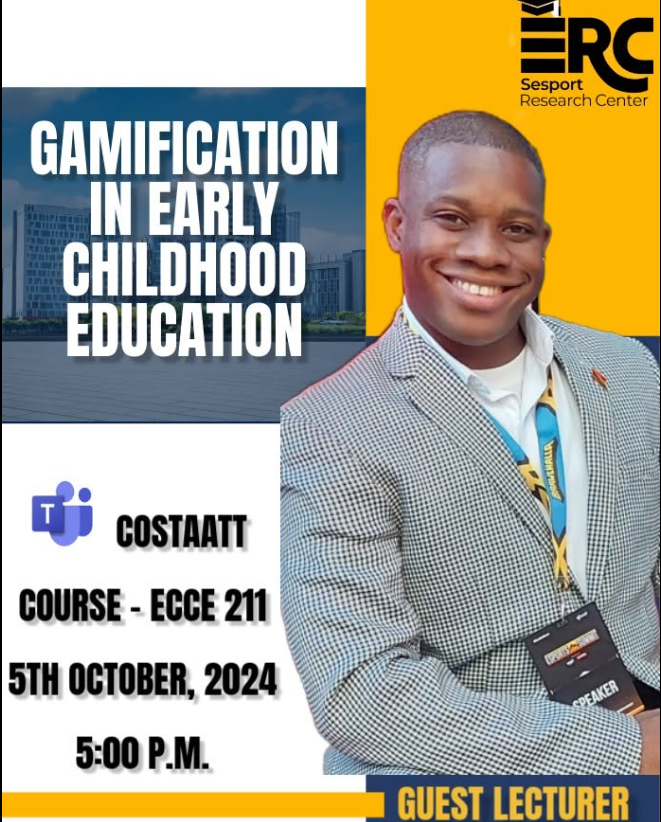
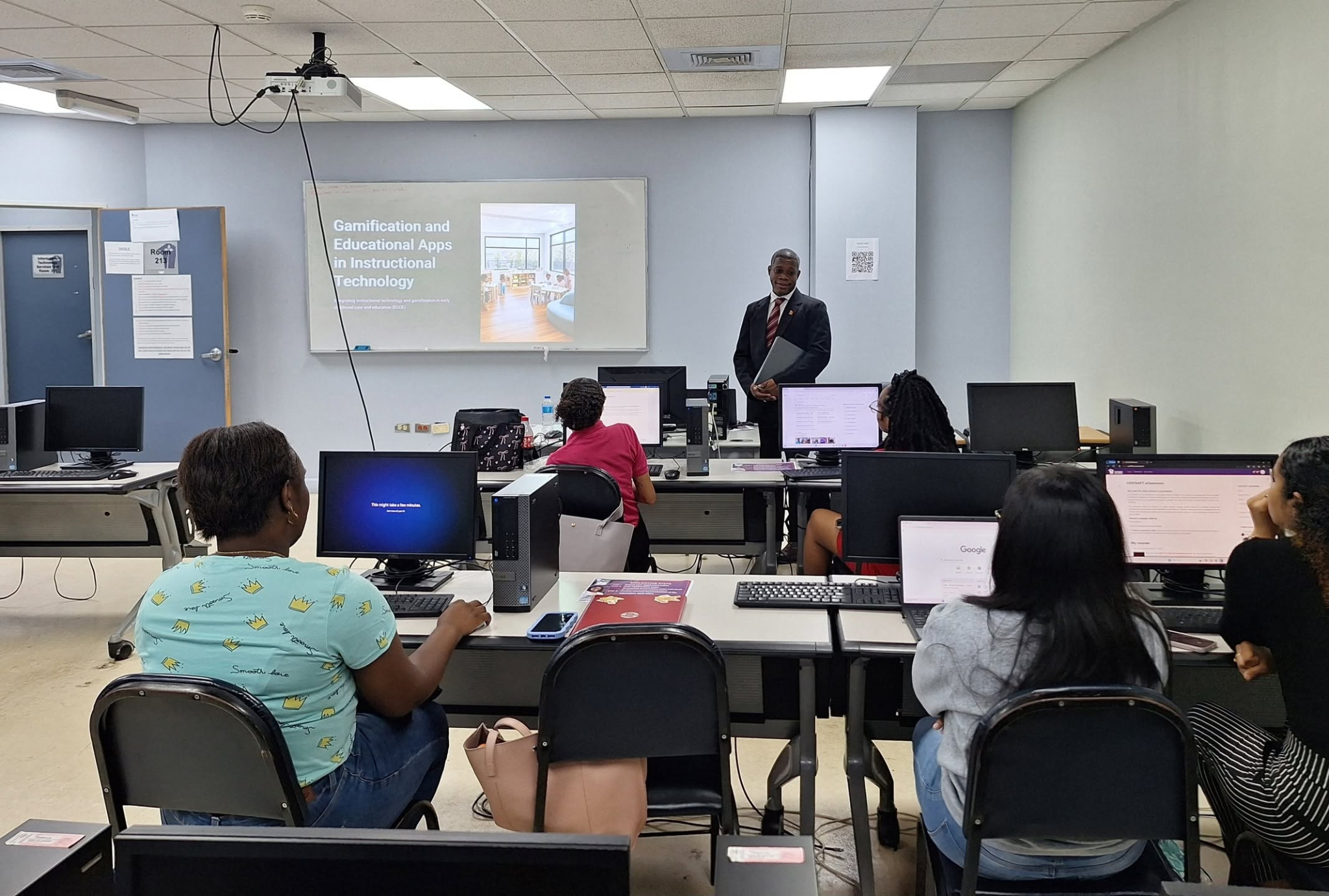
COSTAATT · 2024 + 2025
Expertise beyond esports.
Invited by Ms. Shinelle Smith for ECCE 211, Akil first delivered a virtual session on gamification in Early Childhood Education. He returned in person on 7 October 2025 for “Gamification and Educational Apps in Instructional Technology,” combining lecture, Q&A and hands-on use of GameClass and CodeCombat.
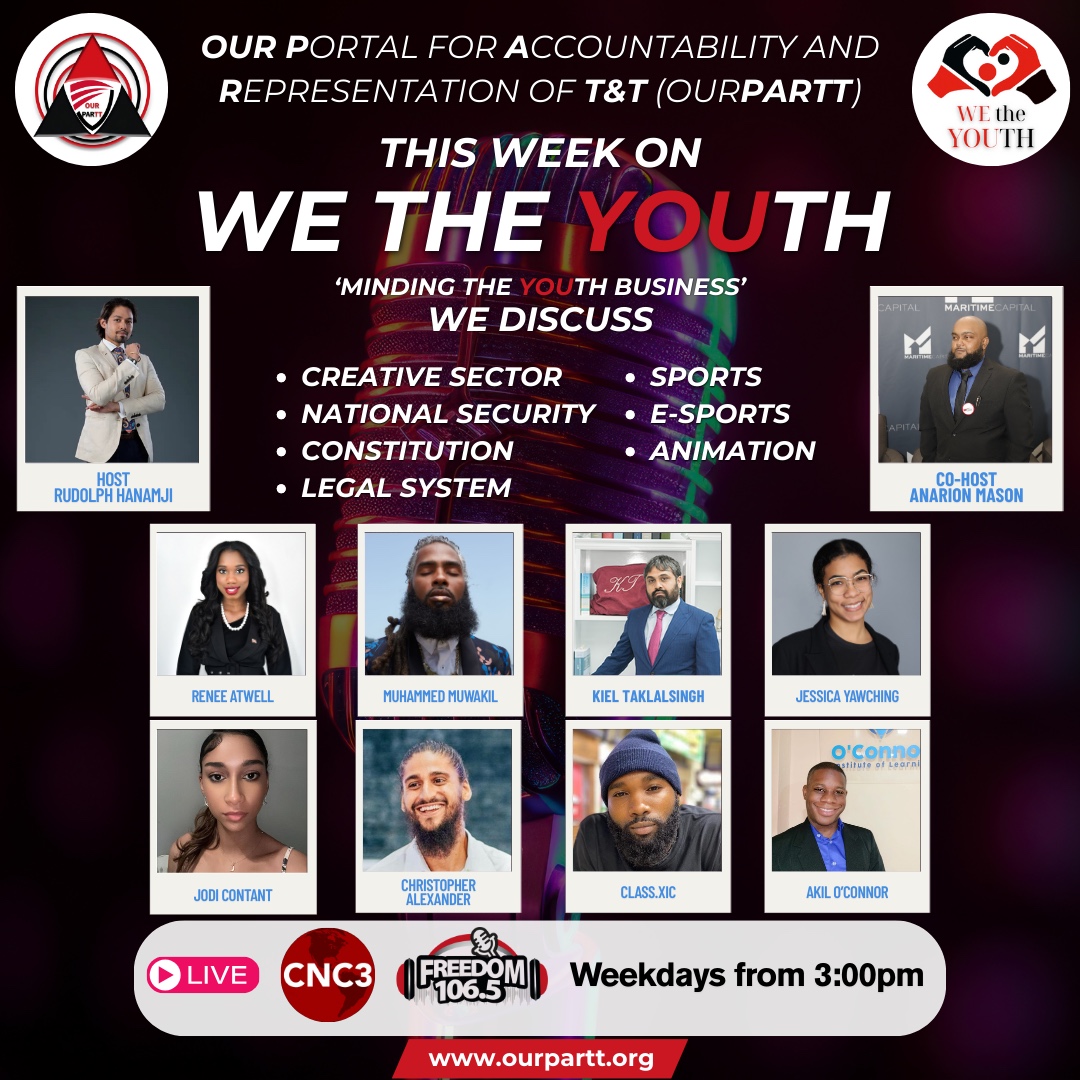
WE THE YOUTH · APRIL 2025
The conversation that opened a door.
During a two-hour appearance on We The Youth: Minding the Youth Business, Akil discussed esports alongside traditional sport, digitisation and youth development. The extended conversation allowed the subject to move beyond competition and into the changing environment young people were already navigating.
Strong feedback following the programme created the opening for a sustained national conversation. Rather than remaining an isolated radio appearance, We The Youth became the catalyst for the Carrie V series.
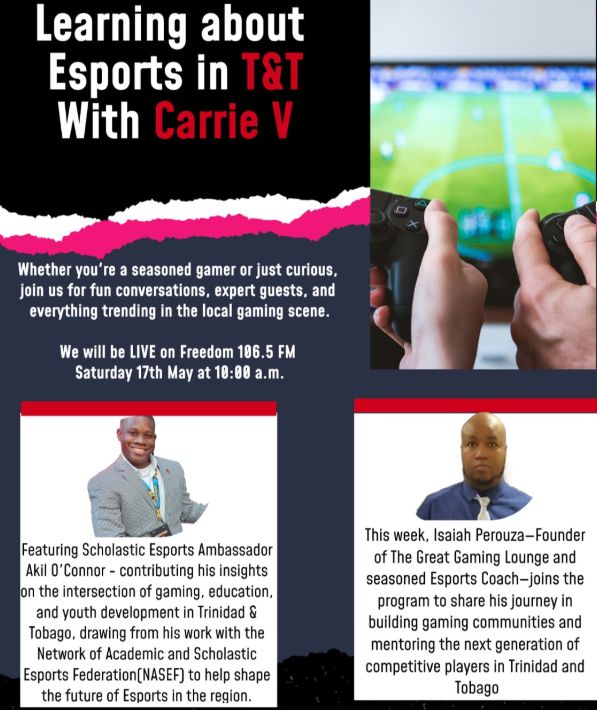
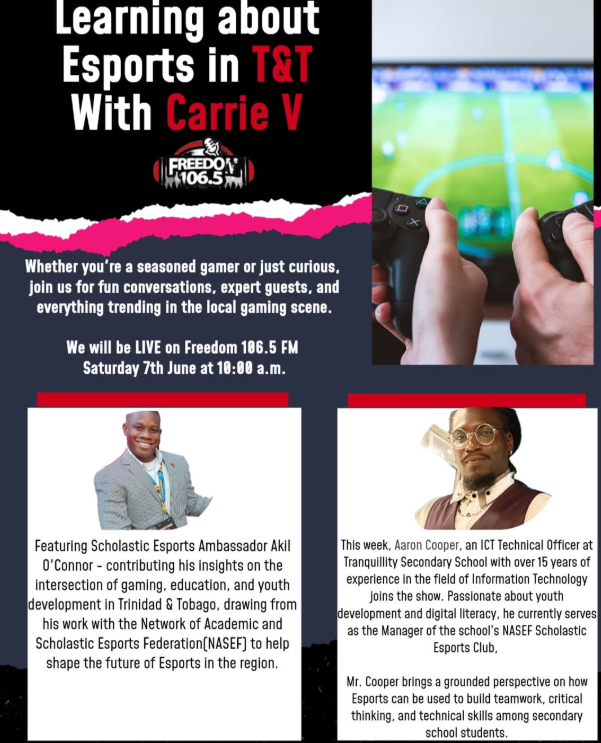
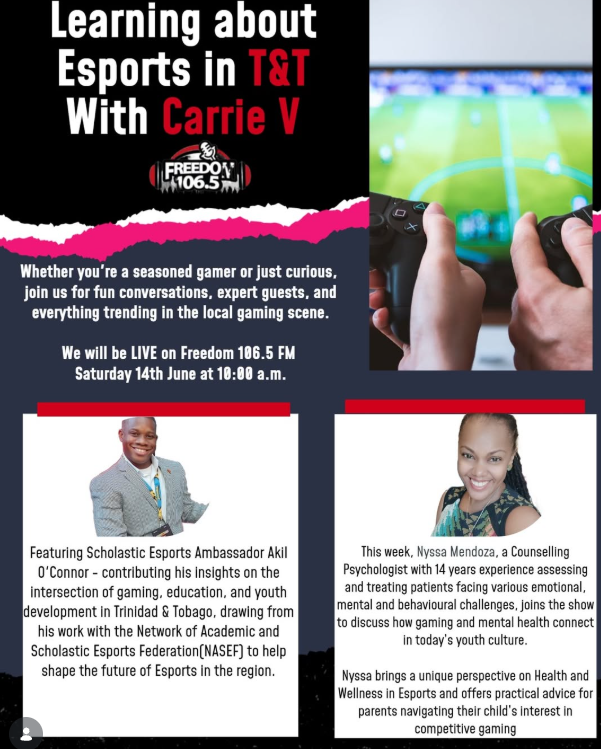
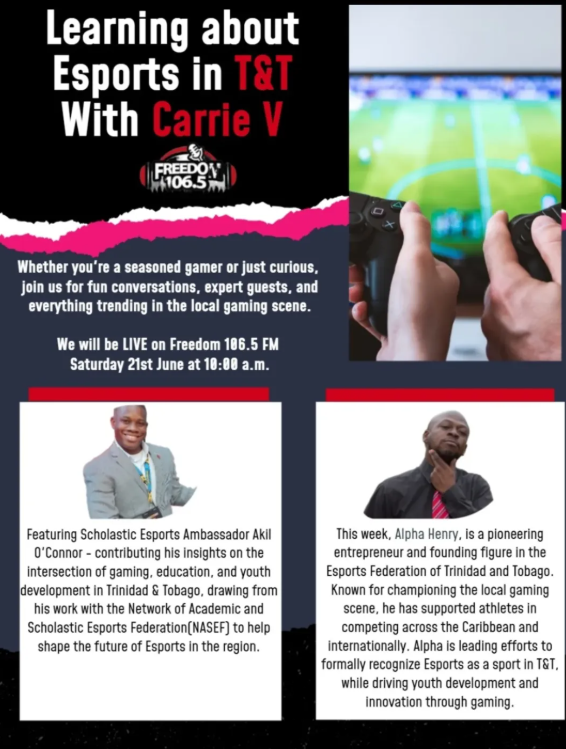
LEARNING ABOUT ESPORTS WITH CARRIE V · 2025
Expert becomes convener.
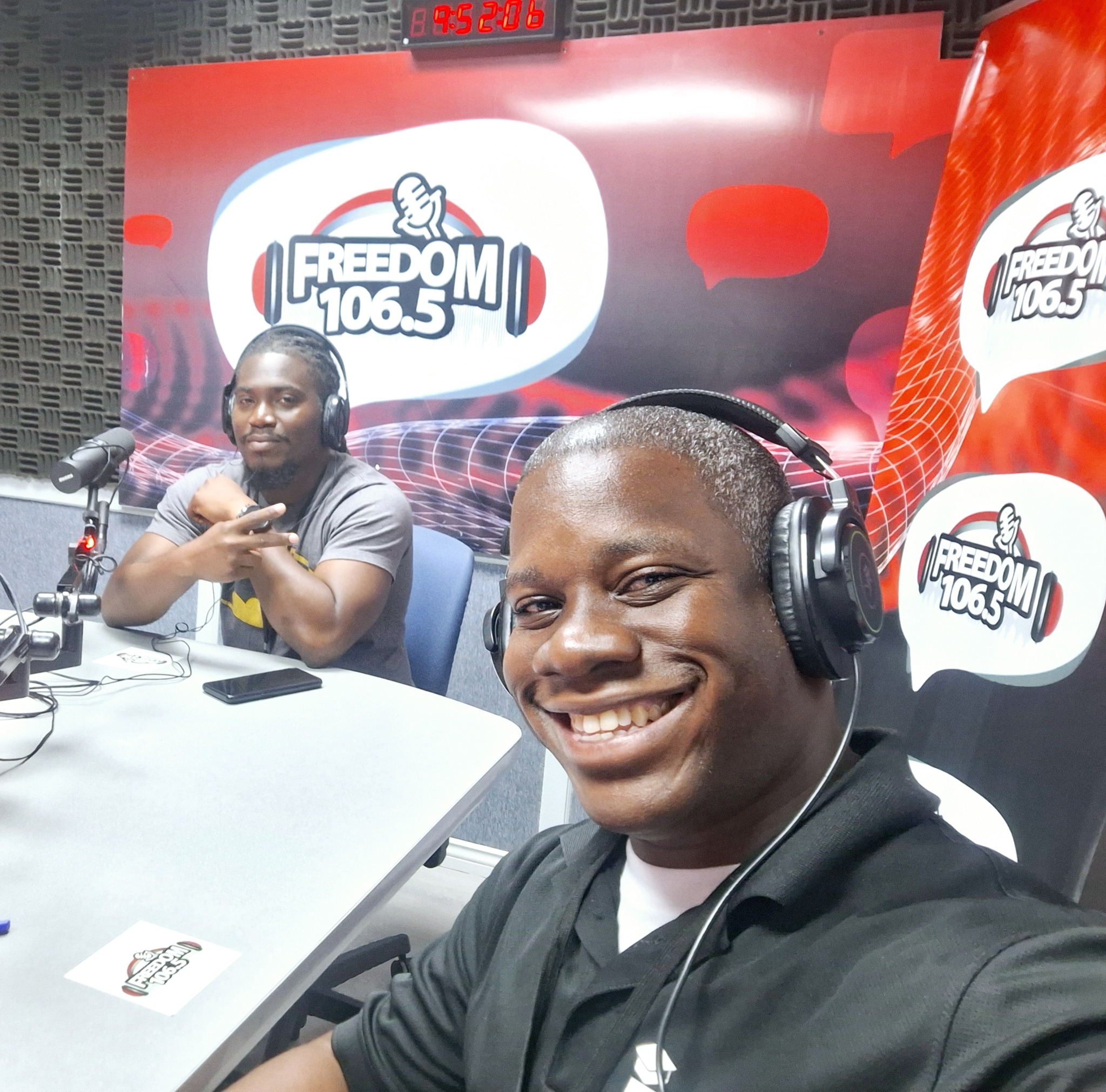
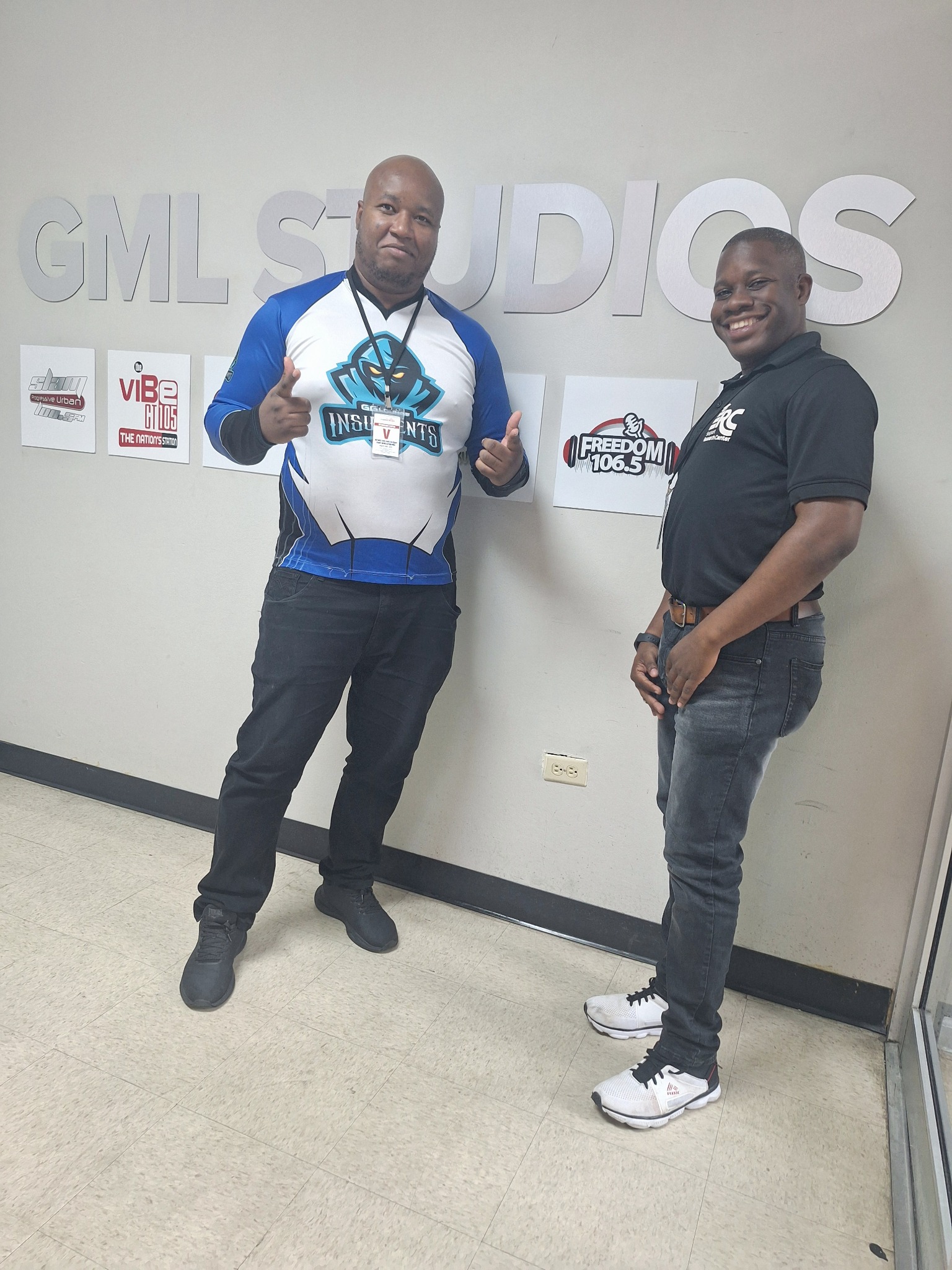
The response to We The Youth led directly to a five-week pilot on Carrie V’s existing programme, with Akil serving as resident esports contributor for approximately 40 minutes each week.
Each programme used a weekly theme, a featured guest and listener participation through calls, messages and social media. Conversations moved through wellness and parent guidance, life skills, education, scholastic clubs and the development of Trinidad and Tobago’s wider esports ecosystem.
Carrie V remained the host while Akil helped bring coaches, community organisers, educators, students, and health and wellbeing perspectives into the national conversation. He opened the platform without claiming ownership of those voices.
“It was a large step forward in national esports awareness.”

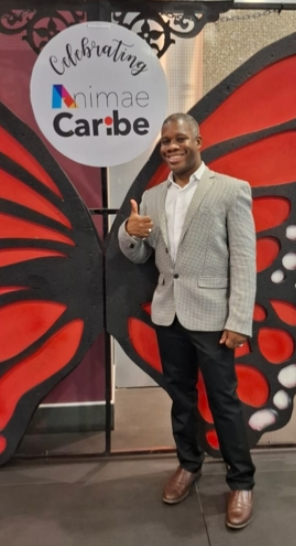
FROM POSSIBILITY TO EVIDENCE
Returning to the same question three years later.
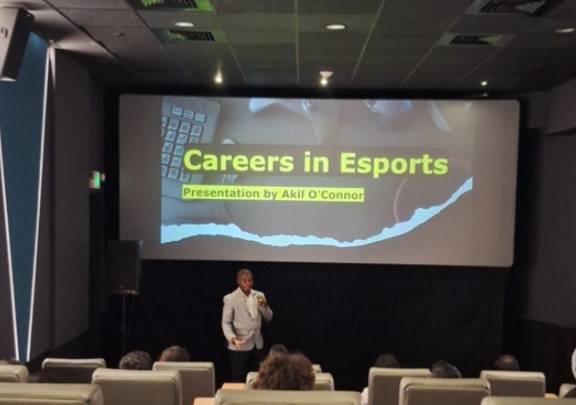
At NAPA on 11 November 2022, Akil introduced adult audiences in arts and education to careers across playing, coaching, event management, broadcasting and the wider industry. The presentation received a standing ovation.
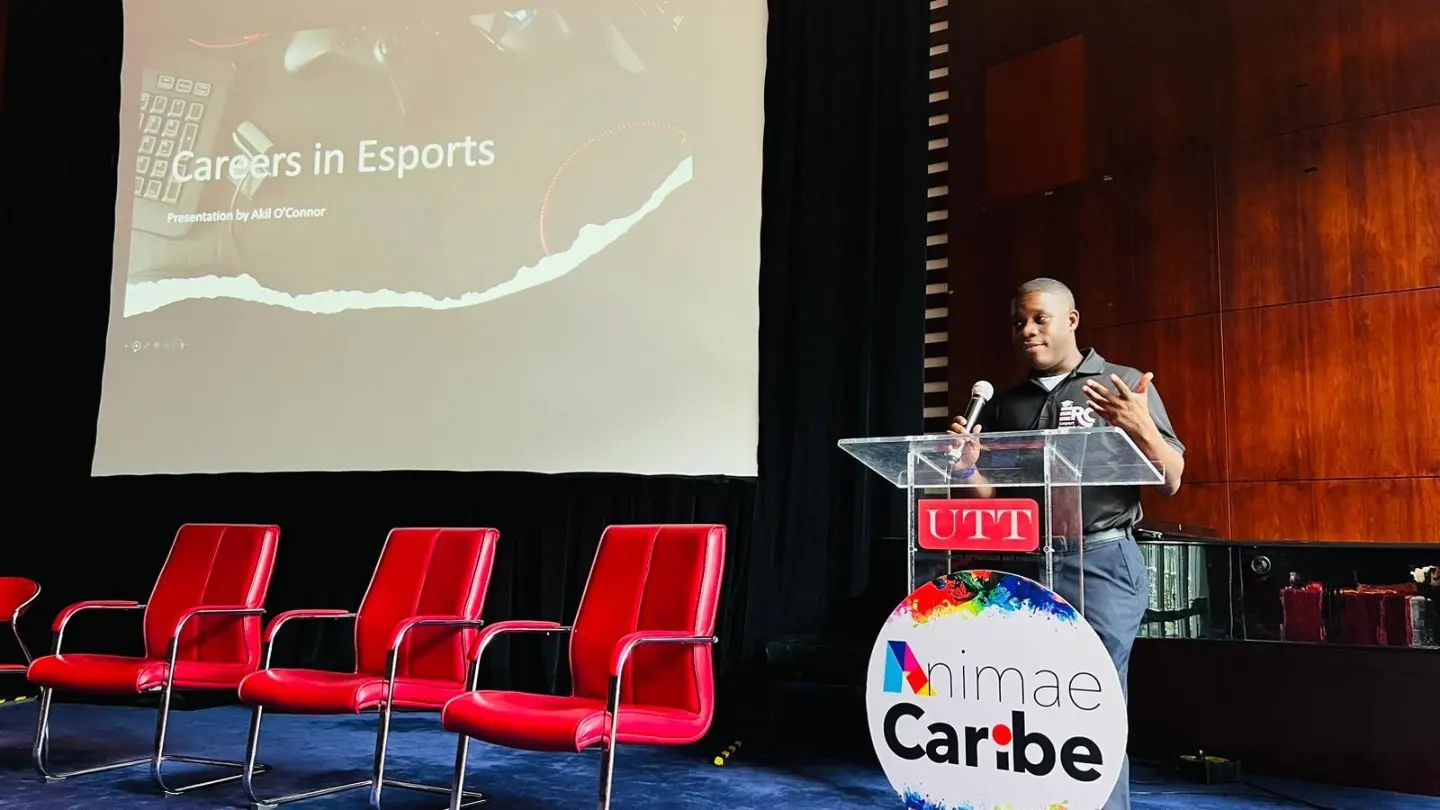
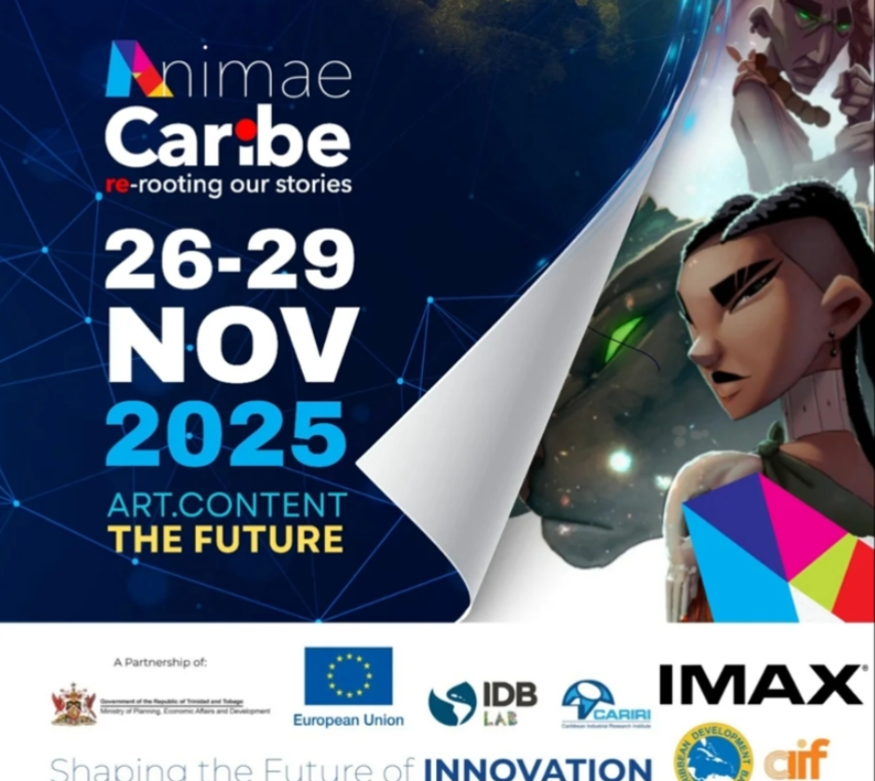
From 26–29 November 2025 at IMAX, One Woodbrook Place, he returned to speak with teenagers and young adults about esports careers looking toward 2026. Students openly fact-checked his examples as he spoke; the information held up, and they ultimately responded with another standing ovation.
“I was a returning speaker and ready to inspire new minds.”
GLOBAL ESPORTS GAMES · MUMBAI · 19–22 MARCH 2026
The former team captain returns in a different role.
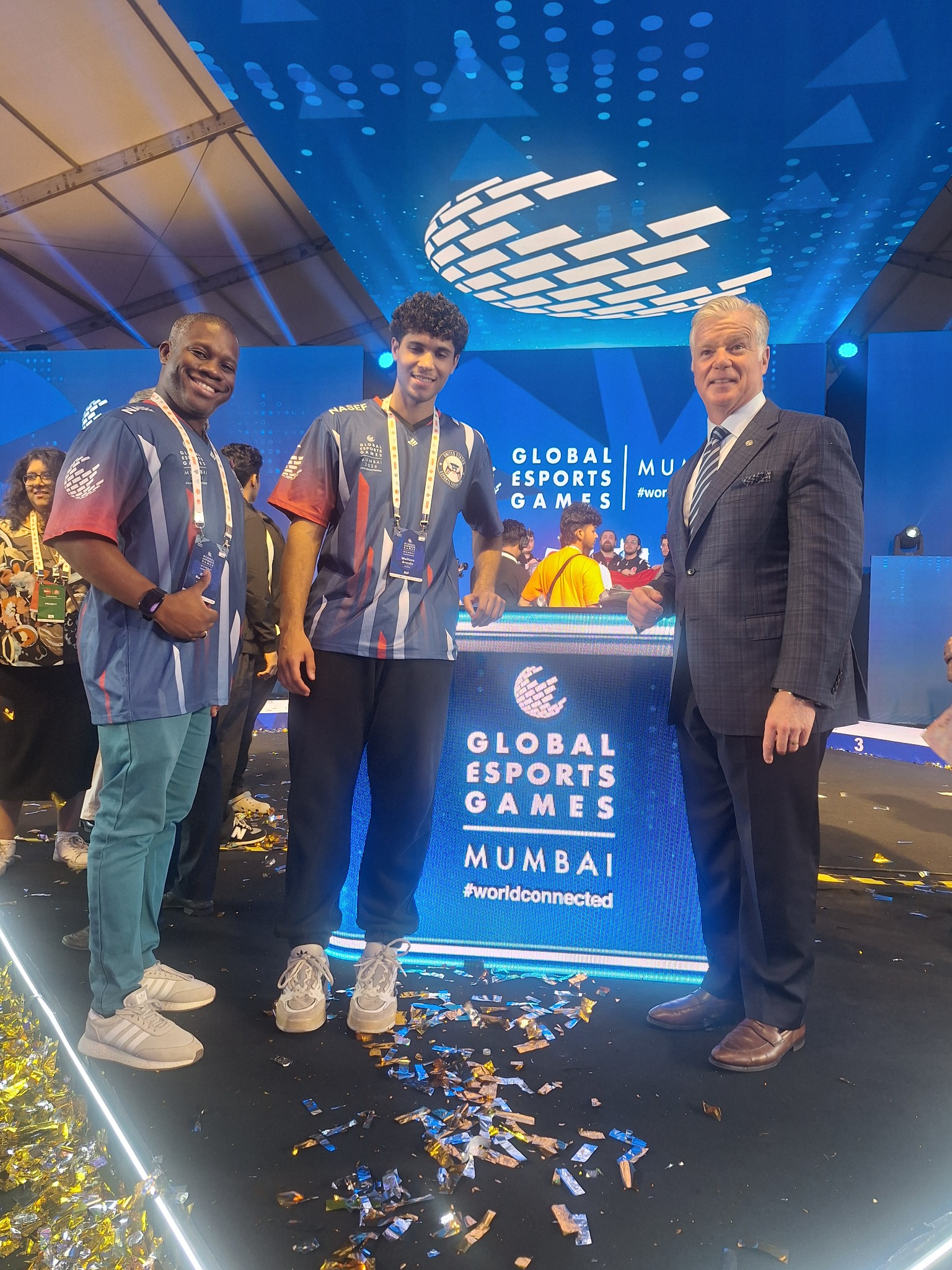
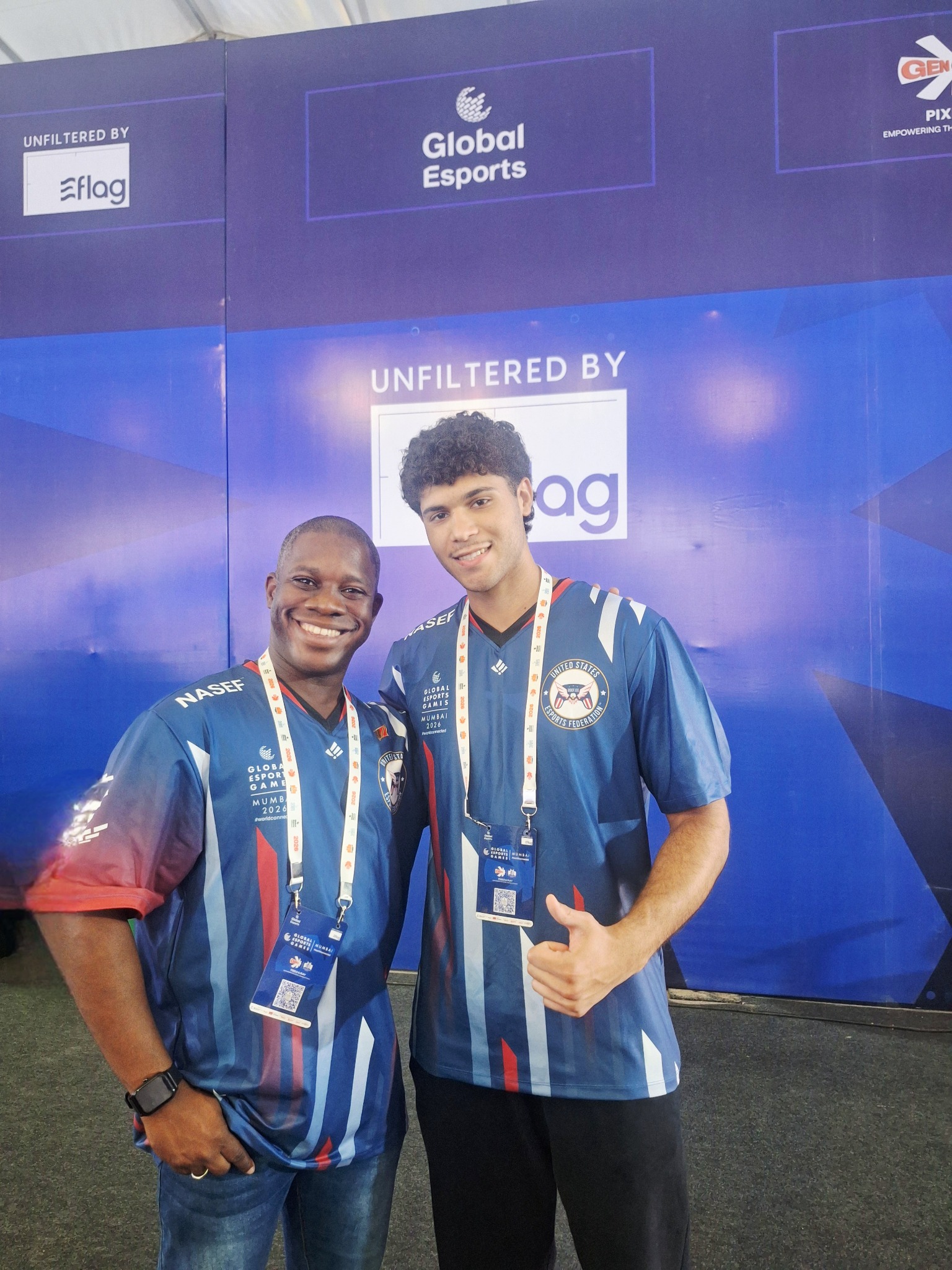
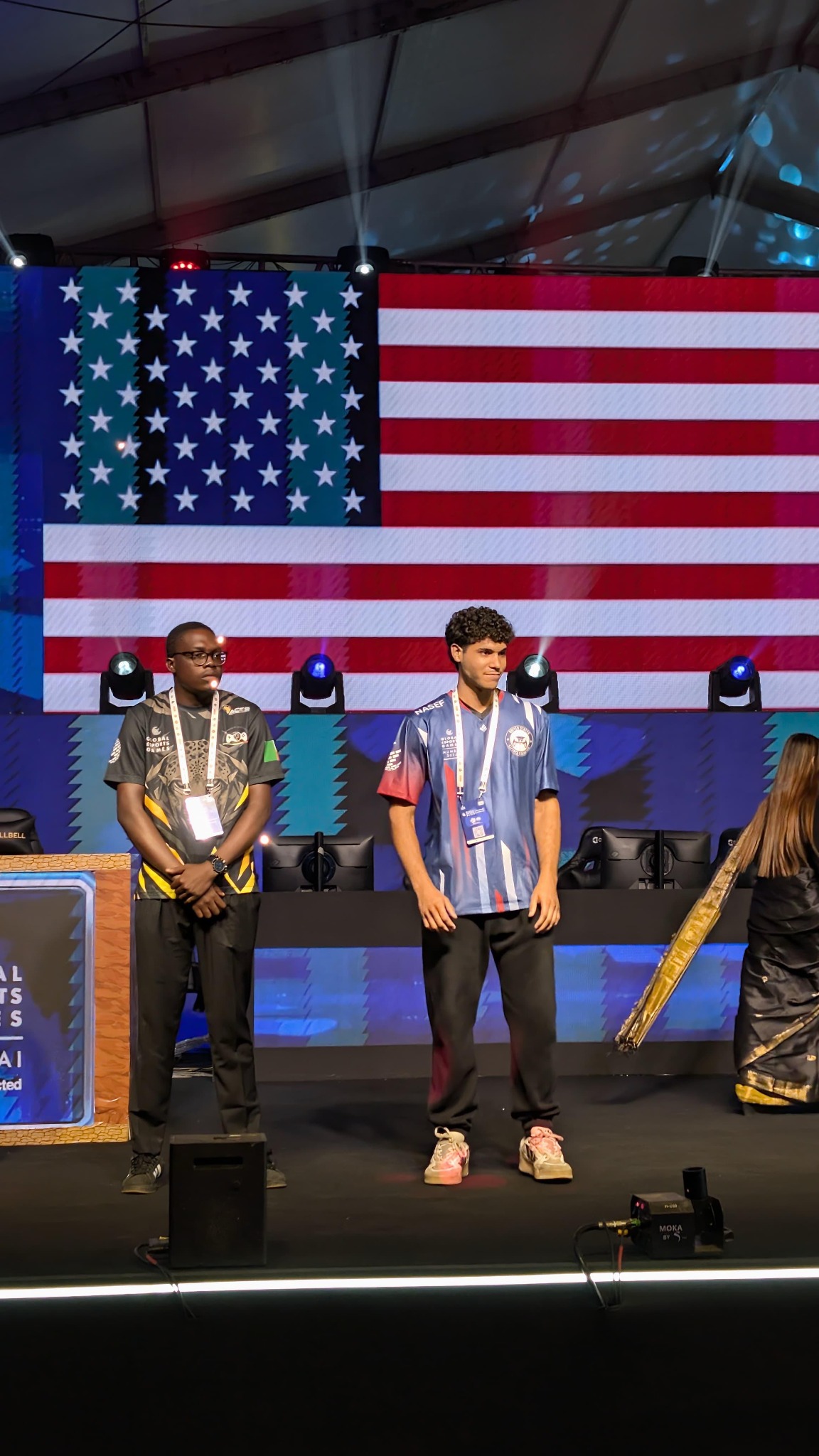
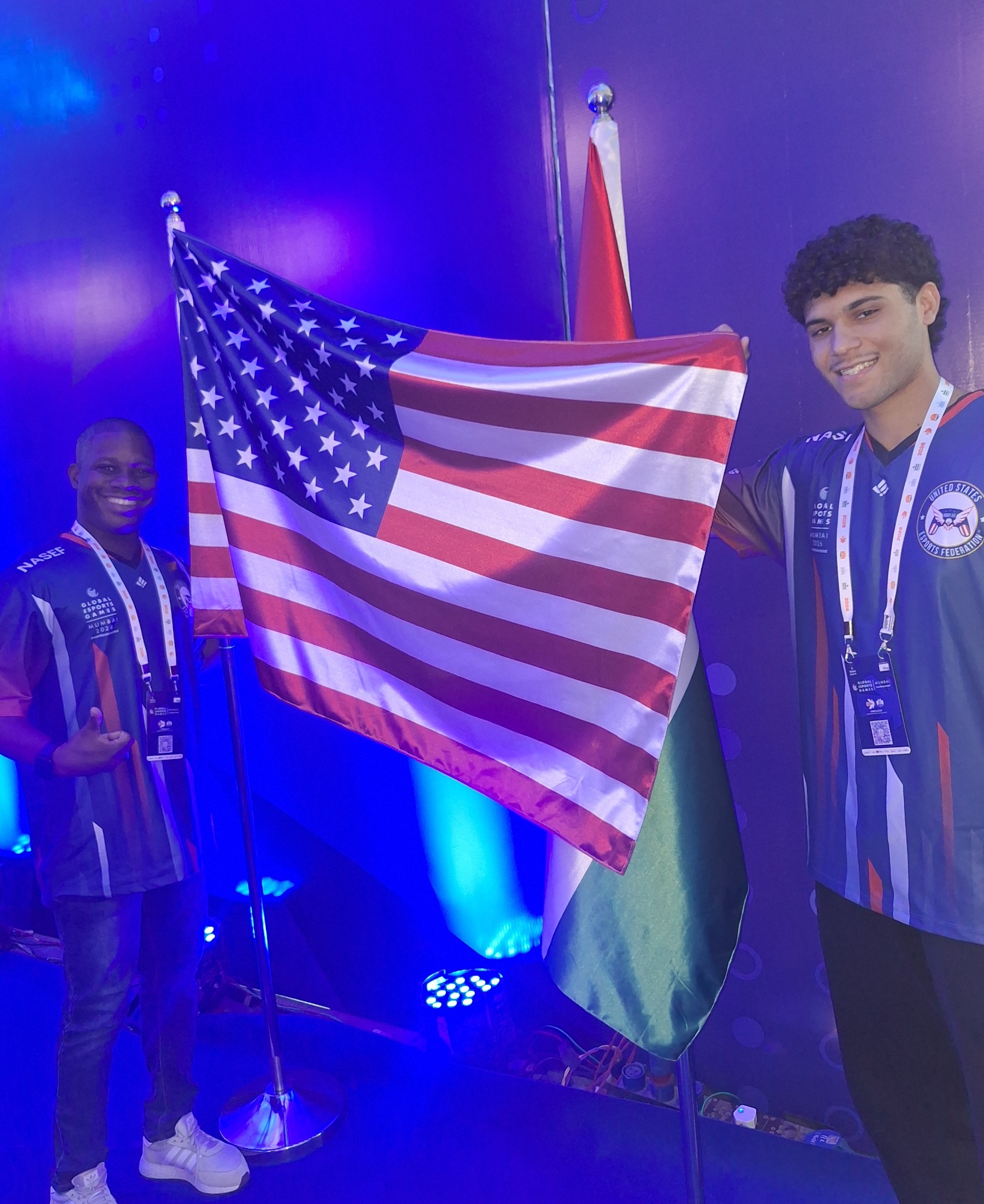
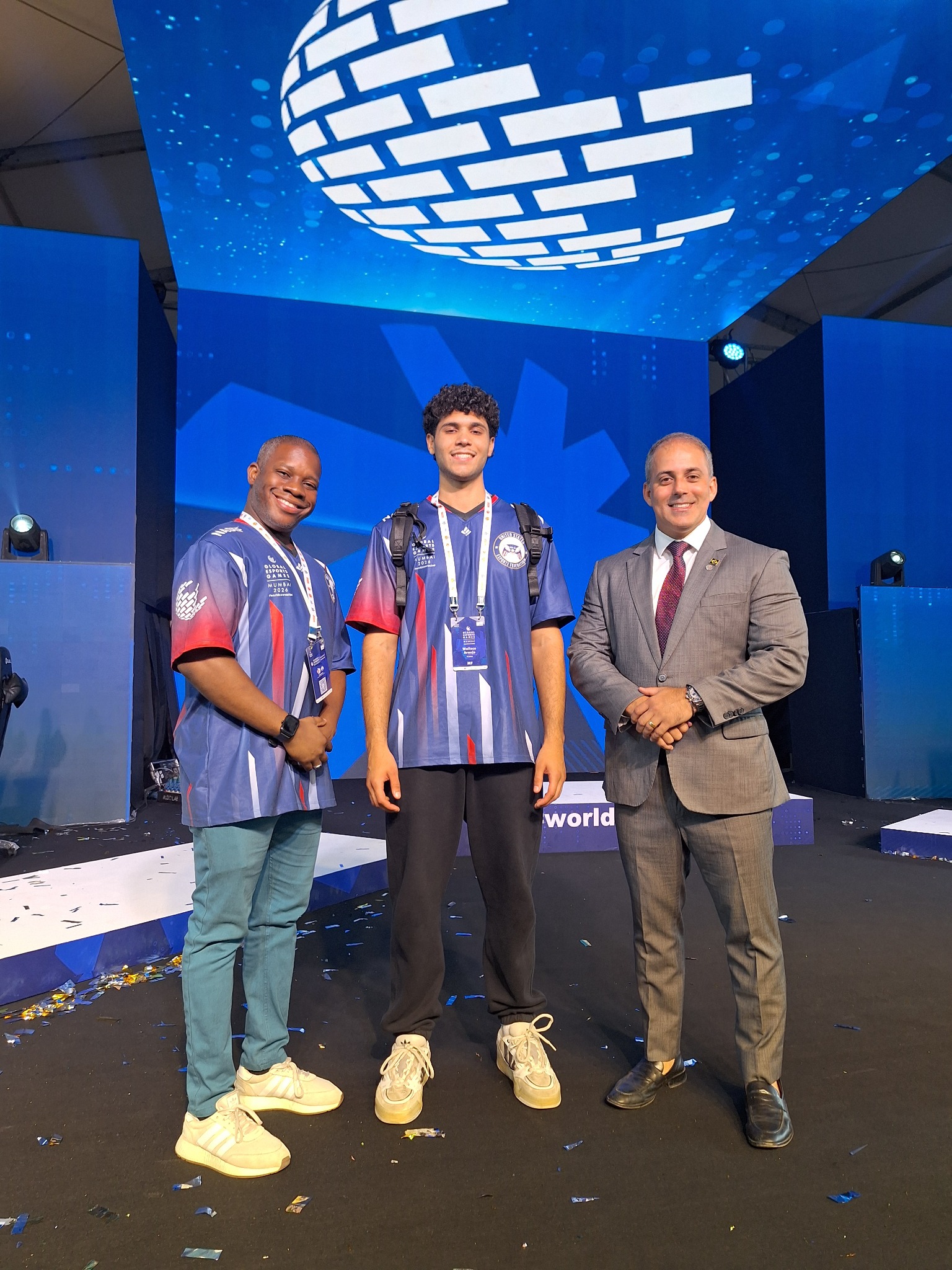
Originally scheduled for 2025 and postponed to March 2026, the Mumbai World Finals brought together 24 finalist nations selected from more than 78 participating countries. At MMRDA Grounds BKC, Akil served as Player Manager for the United States Esports Federation’s Clash Royale player, Wallace Araújo.
The role extended well beyond standing beside a competitor. Akil managed registration and schedules, communicated with organisers, coordinated transportation and media duties and helped Wallace remain emotionally ready when needed for each stage of competition.
Wallace opened with wins against Great Britain, Tunisia and Senegal, advanced to the Top 4 and finished with a bronze medal. The result mattered, but the deeper continuity was responsibility: Akil was again supporting preparation, confidence and competition—this time for another player on a global stage.
BRONZEGLOBAL ESPORTS GAMES · CLASH ROYALE
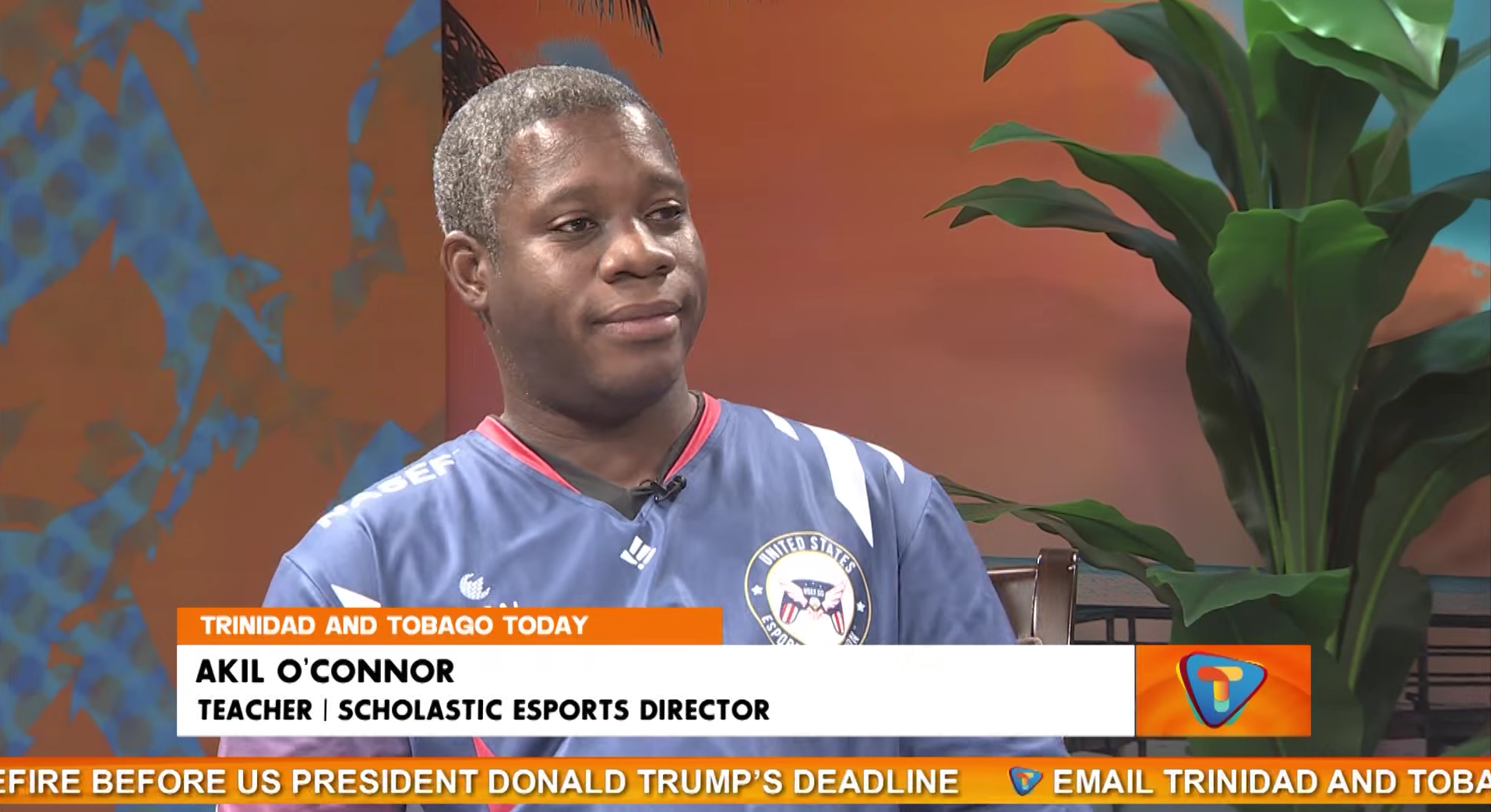
TRINIDAD & TOBAGO TODAY · 8 APRIL 2026
One arc comes full circle.
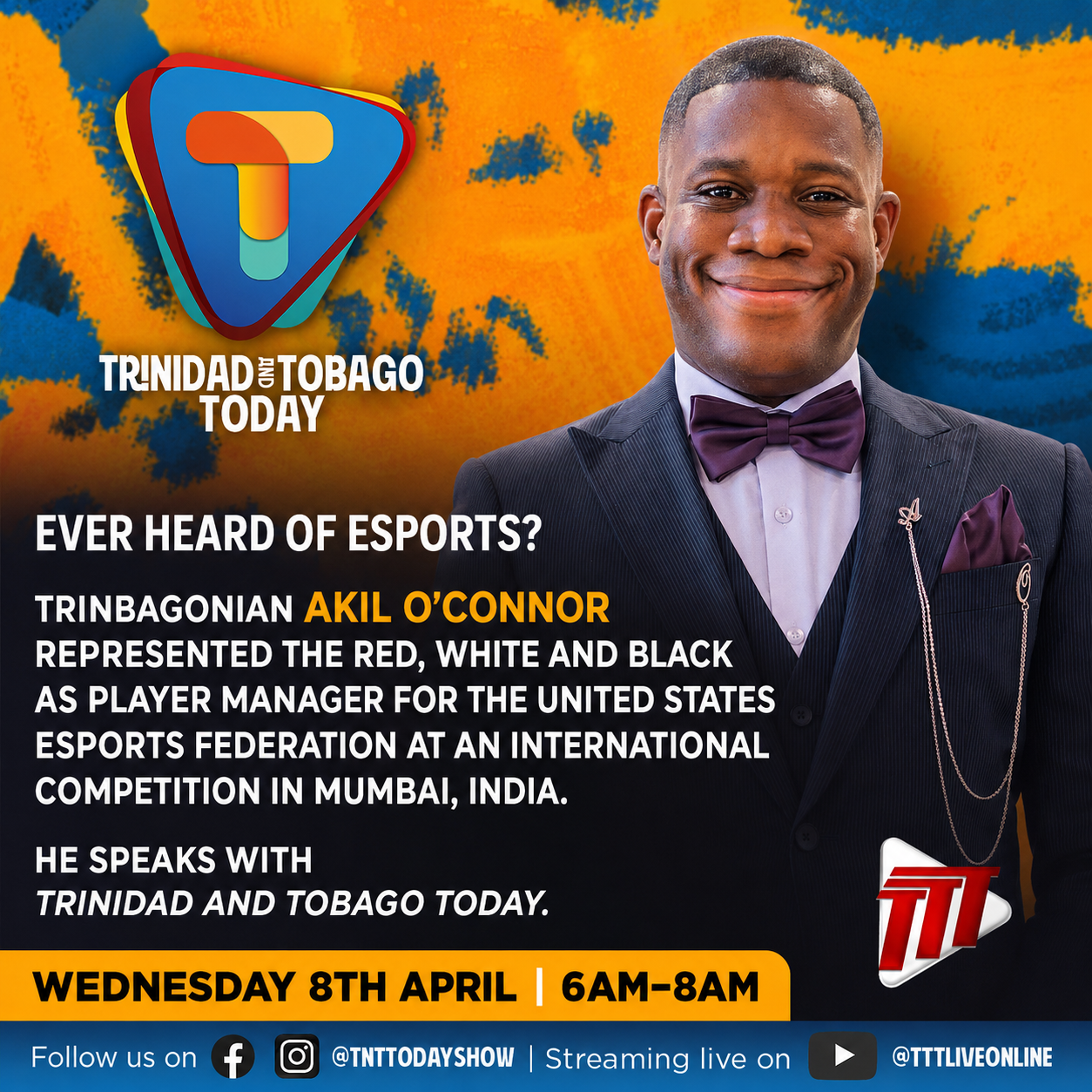
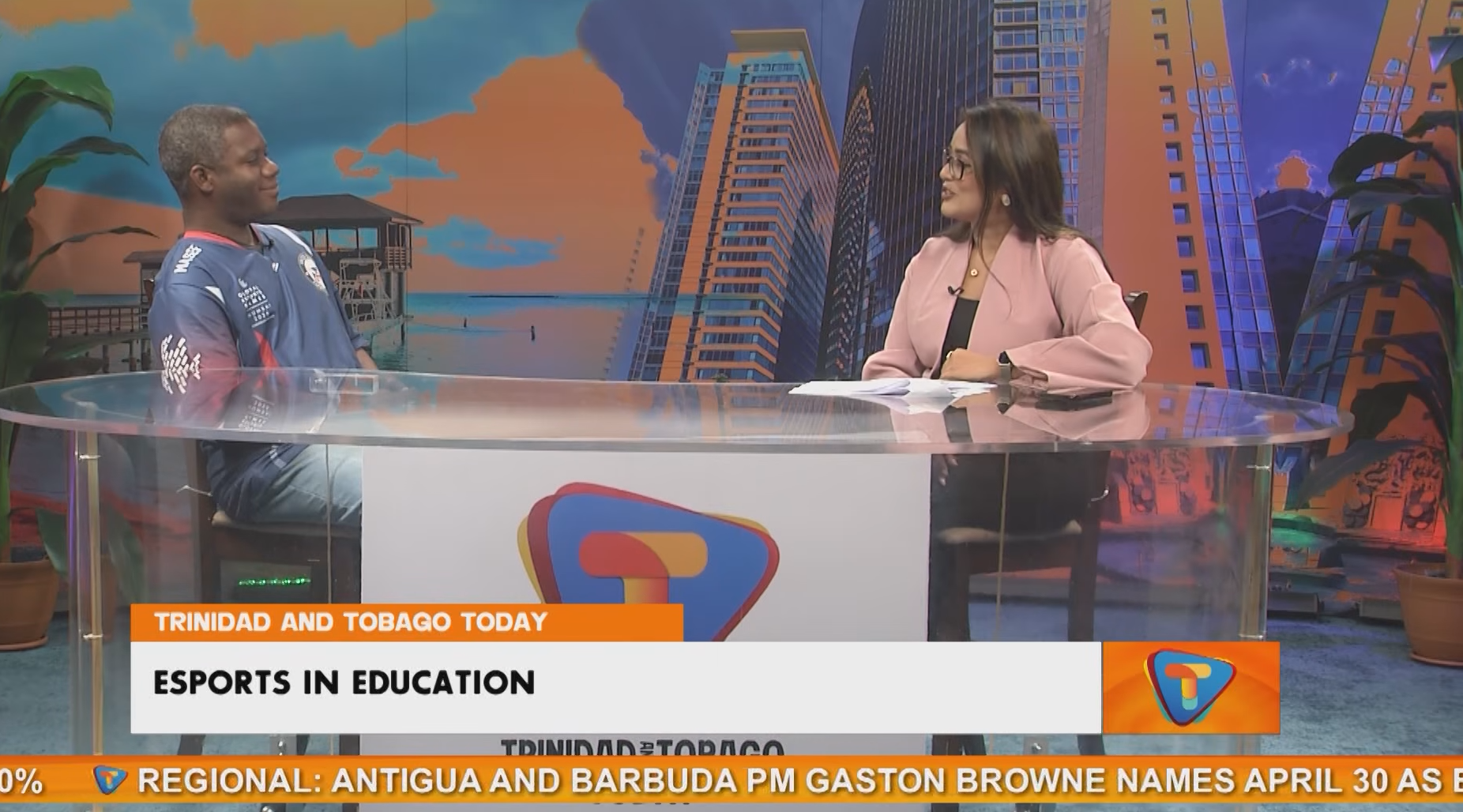
Invited into the TTT studio by the programme’s producer, Akil discussed experiencing Mumbai for the first time, the scale of the Global Esports Games, Wallace’s bronze medal and the responsibilities of a Player Manager.
The approximately ten-minute interview also returned the conversation home: Trinidad and Tobago’s international potential, scholastic esports and the wider opportunities that gaming could create.
“My journey was complete and I was ready to continue spreading the awareness of esports and its many benefits.”
One arc had become complete—the player had grown into the person trusted to explain, guide and represent the work. The career itself was not ending.
“I had become the expert that I sought out to be many years ago when I was starting off as just a player.”View the full TTT interview ↗
AUGUST 2026 · THE WORK CONTINUES
The question is no longer whether gaming can create opportunities.
Akil has seen that it can. His journey has moved from playing and competing to building communities, supporting students, advising organisations and contributing to international conversations. The work now is helping create more of those opportunities for others.
Educator.Consultant.Scholastic Esports Ambassador.